
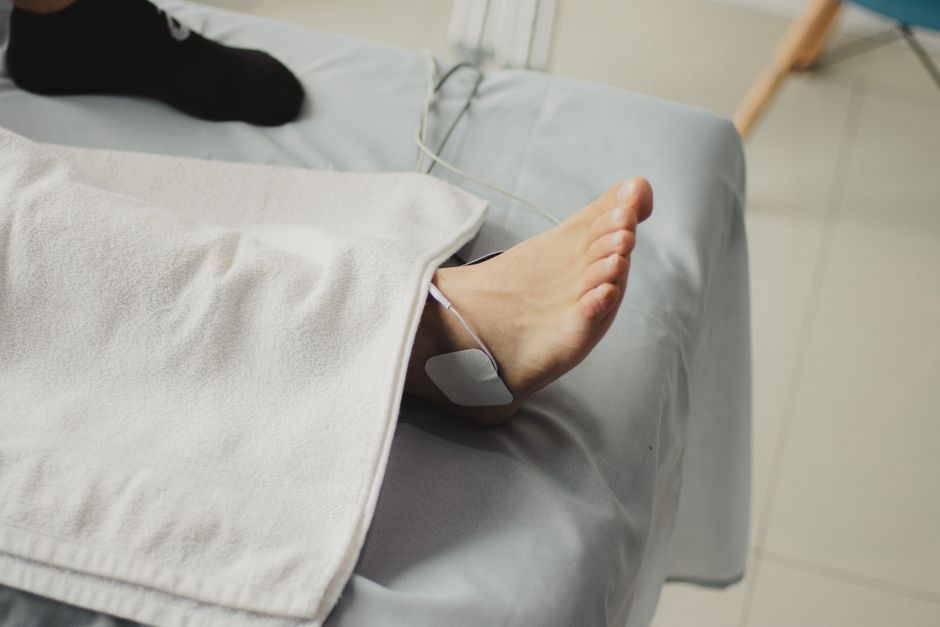
Yes, clubfoot can be fixed. The Ponseti method, which uses gentle stretching and a series of casts, has a success rate above 90% when started early. Most children grow up with feet that look normal, work well, and let them run, play, and wear regular shoes. Long-term outcomes are excellent for the vast majority of patients who complete the full treatment plan.
What Causes Clubfoot and How Common Is It?
Clubfoot is a birth defect where a baby’s foot twists inward and downward. The tendons on the inside of the leg and foot are shorter than normal, pulling the foot out of position. The bones themselves are usually normal shaped — the problem is the soft tissues holding them in the wrong place.
About 1 in 1,000 babies is born with clubfoot. It affects boys about twice as often as girls. Half of all cases involve both feet. The exact cause is not fully understood. Research suggests a mix of genetic and environmental factors. If one child in a family has clubfoot, the chance of a second child having it is about 1 in 30.
Clubfoot is not caused by anything the mother did during pregnancy. That is a persistent myth and it is completely false. The condition develops early in the first trimester, before most women even know they are pregnant. There is no link to diet, stress, or activity during pregnancy.
Can Clubfoot Be Fixed Without Surgery?
Yes, and this is the standard of care worldwide. The Ponseti method, developed by Dr. Ignacio Ponseti in the 1940s at the University of Iowa, is the gold standard treatment. It uses no cutting, no breaking of bones, and no major surgery in the vast majority of cases.
Treatment starts within the first week or two after birth. A specialist gently stretches the baby’s foot and applies a plaster cast to hold it in the corrected position. This is repeated weekly for about five to eight weeks. Each week the foot is stretched a little further. The casts go from the toes to the upper thigh to keep the knee bent and the foot aligned.
After the foot is straight, most babies need a small procedure called a tenotomy. The doctor snips the Achilles tendon with a thin needle. It is done in the office with local numbing. The tendon grows back to the correct length within three weeks. This step is routine and very safe. After the tenotomy, the child wears a final cast for three weeks.
After casting, the child wears a special brace called a Denis Browne bar. It connects two shoes with a metal bar. The child wears it full time for three months, then only at night and during naps for up to four years. This brace is critical. Without it, the foot almost always returns to the twisted position. The Ponseti method works — but only if the brace is worn as directed.
What Does Research on Long-Term Outcomes Show?
Studies following children treated with the Ponseti method into adulthood show excellent results. A 2021 study published in the Journal of Bone and Joint Surgery followed patients for an average of 25 years. Most reported no pain, normal shoe size, and full participation in sports and daily activities. Foot strength and range of motion were slightly reduced compared to people without clubfoot, but not enough to cause problems for most.
The CDC reports that children treated for clubfoot have the same quality of life as their peers. They walk, run, and play at the same level. There is no evidence that treated clubfoot limits what a person can do in life. Many professional athletes have had clubfoot and competed at the highest level.
Long-term outcomes depend heavily on two things: starting treatment early and wearing the brace as prescribed. Families who follow the Ponseti protocol faithfully see success rates above 95%. Families who struggle with brace wear see higher rates of relapse. Relapse is treatable, but it means going back through casting again.
Some studies suggest that adults who had clubfoot as children may have slightly higher rates of ankle arthritis later in life. The evidence is not strong enough to say this is certain. Most adults with treated clubfoot do not report arthritis symptoms that limit their activity.



How Does the Ponseti Method Compare to Surgery?
Before the Ponseti method became standard, surgery was the main treatment. Surgeons would cut tendons, release tight tissues, and sometimes reposition bones. This approach had mixed results. Scar tissue formed, feet often became stiff, and many children needed multiple surgeries over their lifetime.
| Treatment | Success Rate | Recovery | Long-Term Stiffness |
|---|---|---|---|
| Ponseti method (casting + brace) | Over 90% | No recovery needed after casts | Minimal to none |
| Traditional surgery | 60-80% | Weeks of healing, pain | Common, often significant |
Surgery is still used today, but only for a small number of cases. These include children who start treatment late, children with very severe or rigid clubfoot, or children who relapse after Ponseti treatment. Even in these cases, surgery is less extensive than it used to be. The Ponseti method has dramatically reduced the need for major foot surgery worldwide.
The World Health Organization recommends the Ponseti method as the first-line treatment for clubfoot. It is low cost, low risk, and highly effective. Developing countries have adopted it widely because it does not require expensive equipment or hospital stays.
What Happens If Clubfoot Is Not Treated?
Untreated clubfoot does not get better on its own. The foot stays twisted. The child learns to walk on the side or top of the foot. This causes calluses, pain, and difficulty fitting into shoes. Over time, the bones can deform from the abnormal weight bearing. Walking becomes harder. Pain increases.
Adults with untreated clubfoot often have significant disability. They may need custom shoes, walking aids, or surgery later in life. The social and emotional effects can be just as serious. Children with untreated clubfoot may be teased or excluded from physical activities. The condition is treatable at any age, but results are better the earlier treatment starts.
Even in older children and adults, treatment can improve foot position and function. The Ponseti method works best in infants, but modified versions can help older patients. Surgery is more likely to be needed in these cases. The foot may never be perfectly straight, but it can be improved enough to reduce pain and make walking easier.
What Are Common Misconceptions About Clubfoot Treatment?
One widespread myth is that clubfoot is caused by the baby’s position in the womb. This is not true. Positional foot deformities exist — where the foot looks turned but is flexible and corrects on its own. True clubfoot is rigid and does not self-correct. They are different conditions with different treatments.
Another myth is that clubfoot treatment is painful for the baby. The Ponseti method uses gentle stretching. Babies may fuss during casting, but they do not experience lasting pain. The casts are not tight enough to cause discomfort. After the first few days, most babies do not notice them at all.
- Myth: Clubfoot means a child will never walk normally. Fact: Most children run and play just like their peers.
- Myth: Surgery is always needed. Fact: Over 90% of cases are treated without major surgery.
- Myth: Clubfoot is caused by something the mother did. Fact: There is no known preventable cause.
- Myth: Treatment only works in infancy. Fact: Treatment can help at any age, though results are best in babies.
Some people believe the brace is optional or can be stopped early. This is the most dangerous misconception. The brace is not optional. It is the single most important factor in preventing relapse. Families who stop the brace too soon often see the foot return to its original position. Relapse means starting over with casting, and sometimes surgery.
Frequently Asked Questions
How long does clubfoot treatment take?
The casting phase takes about six to eight weeks. The brace phase lasts up to four years.
Can clubfoot come back after treatment?
Yes, relapse can happen if the brace is not worn as directed. Relapse is treatable with more casting.
Will my child need surgery for clubfoot?
Most children do not need major surgery. A small Achilles snip is routine and very safe.
Does clubfoot affect a child’s ability to play sports?
No, most children with treated clubfoot play sports without any limitations.
