
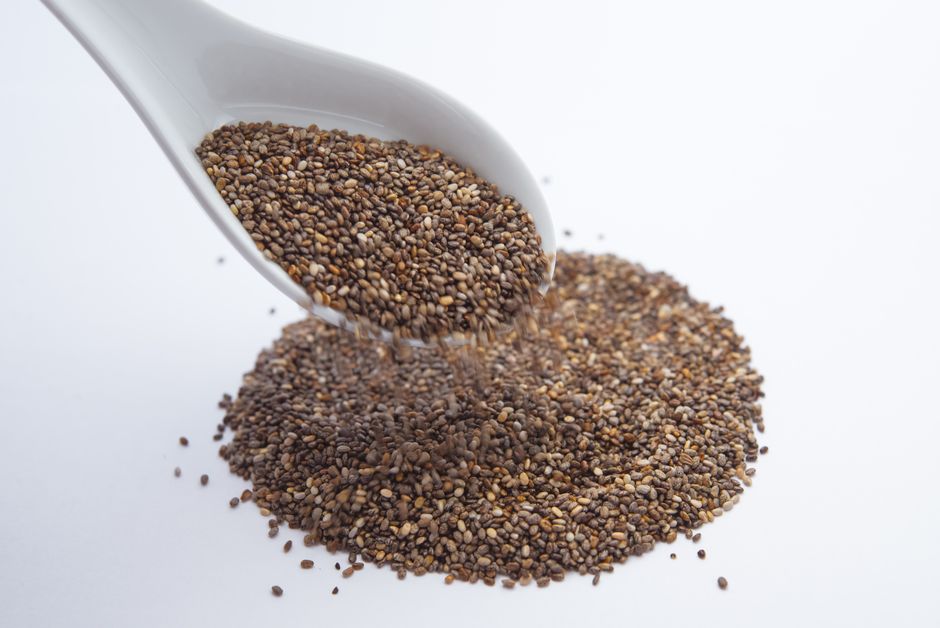
Yes, chia seeds can cause bloating. They are about 34 percent fiber by weight, and a single 2-tablespoon serving delivers roughly 10 grams of fiber — about a third of what most adults are advised to get in a whole day. Eating that much fiber at once, especially if your gut is not used to it, is a common recipe for gas, cramping, and a full, swollen feeling.
The bloating is not a sign that chia is bad for you. It is a sign that your digestive system is meeting a lot of fermentable fiber all at once. For most people, the effect is temporary and manageable. For some, chia causes real discomfort that does not settle.
Can Chia Seeds Cause Bloating?
Bloating from chia comes down to fiber and fermentation. Chia is a fiber powerhouse, and fiber is largely indigestible by human enzymes. It travels to the colon, where gut bacteria break it down. That process produces gas — mainly hydrogen, methane, and carbon dioxide. Gas in the colon is the physical cause of most bloating.
Chia contains both soluble and insoluble fiber. The soluble fiber forms a gel when it meets liquid. That gel is part of why chia is filling and why it can help with regularity. It is also part of why it can feel heavy in the gut. The gel slows digestion and gives gut bacteria more material to ferment.
Two things make chia different from many other high-fiber foods:
- It absorbs a large amount of water — chia can soak up many times its own weight in liquid. If you eat dry chia without enough fluid, it can draw water from your digestive tract and contribute to constipation, which itself causes bloating.
- A single serving packs a lot of fiber into a small volume. It is easy to eat 10 grams of fiber in a few spoonfuls without realizing it.
So the answer to whether chia causes bloating is yes, and the mechanism is well understood. It is not mysterious and it is not a sign of allergy in most cases.
Why Does Chia Cause Gas and a Swollen Belly?
The bloating is a fermentation story. When fiber reaches the colon, bacteria ferment it and release gas. This is normal and happens with all fermentable fibers — beans, broccoli, oats, and chia alike. The amount of gas depends on how much fiber arrives at once and which bacteria are doing the fermenting.
Chia’s soluble fiber is especially fermentable. It also forms a viscous gel that can slow the movement of contents through the gut. Slower transit means more time for fermentation and more time for gas to build up before it passes. That combination — more fermentable material plus slower transit — is why chia can feel more bloating-prone than its fiber count alone would suggest.
There is a second, simpler cause too. Fiber adds bulk. Bulk stretches the intestinal wall, and stretching is what your nervous system reads as fullness or distension. Even without much gas, a large volume of gel and fiber can produce that stretched, uncomfortable feeling.
How Much Chia Is Too Much?
There is no official upper limit for chia specifically, and no clinical guideline sets a “safe” ceiling. What the evidence does support is that sudden large increases in fiber cause more symptoms than gradual ones. The general guidance for adding any high-fiber food applies here: start small and increase slowly.
A common approach is to begin with about 1 tablespoon per day and see how your gut responds before moving up. Many people tolerate 2 tablespoons (the typical serving) fine once their digestive system has adapted. Going straight to several tablespoons a day, or eating chia dry by the spoonful, is where most people run into trouble.
Fluid matters as much as quantity. Chia needs liquid to form its gel safely. If you eat chia, drink water with it. Dry chia swallowed without enough fluid can clump and is a recognized choking risk, particularly for people with swallowing difficulties. Always soak chia or mix it into a wet food like yogurt or a smoothie.
One practical point: chia is often added on top of an already high-fiber diet. If you are already eating plenty of vegetables, beans, and whole grains, adding chia pushes total fiber higher and the bloating risk goes up. The total daily fiber load is what matters, not chia in isolation.



Is Chia Bloating a Sign of Something Else?
Usually not. For most people, chia bloating is a normal response to fiber and settles within a few days as the gut adapts. But bloating that is severe, persistent, or comes with other symptoms deserves a closer look.
Some possibilities worth knowing about:
- Fiber intolerance or a sensitive gut. People with irritable bowel syndrome (IBS) often react strongly to fermentable fibers. Chia is not usually listed among the highest-FODMAP foods, but individual tolerance varies widely, and some people with IBS find chia triggers symptoms.
- Eating too much, too fast. The most common cause by far. A large serving on an unprepared gut.
- Not enough fluid. Chia without adequate water can cause constipation, which causes its own bloating.
- Rare allergy. Chia allergy is uncommon but documented. It would typically show up as hives, itching, swelling, or breathing trouble — not just bloating. If you have those symptoms, that is a medical issue, not a fiber issue.
If bloating comes with blood in the stool, unexplained weight loss, vomiting, or severe pain, see a doctor. Those are not typical chia reactions and should not be attributed to food.
How Can You Reduce Chia Bloating?
You can usually keep eating chia and reduce the bloating at the same time. The fixes are about dose, fluid, and timing rather than cutting chia out entirely.
- Start with a small amount. About 1 tablespoon per day, then build up over a week or two.
- Always soak chia before eating. Let it sit in liquid for at least 10 to 15 minutes until it forms a gel. This pre-hydrates the fiber so it does not pull water from your gut.
- Drink enough water. Increase your fluid intake when you increase fiber. This is one of the most consistent pieces of advice for any high-fiber food.
- Spread it out. Rather than one big serving, split chia across meals so your gut is not hit with a large fiber load at once.
- Give it time. Gut bacteria adapt to a new fiber source over days to weeks. Symptoms often fade as that adaptation happens.
If you have tried these steps and chia still causes significant bloating, it may simply not agree with you. That is a legitimate outcome, not a failure. Other fiber sources — ground flaxseed, oats, or psyllium — may sit better, though each has its own tolerance profile.
Does Chia Cause Bloating for Everyone?
No. Plenty of people eat chia daily with no bloating at all. Tolerance depends on your baseline diet, your gut bacteria, how much fiber you already eat, and whether you have a sensitive gut.
People who already eat a high-fiber diet tend to adapt faster and notice less. People who are adding fiber for the first time, or who have IBS or another gut condition, are more likely to feel it. Age and activity level play smaller roles. There is no reliable way to predict who will bloat and who will not — the practical test is to try a small amount and pay attention to how you feel.
It is also worth separating chia’s reputation from its reality. Chia is often marketed as a superfood with near-magical properties. The fiber and omega-3 content are real, but the marketing does not change the basic physiology: a lot of fiber eaten quickly can cause gas and bloating in anyone. That is true of chia and every other high-fiber food.
Frequently Asked Questions
Can chia seeds cause bloating and gas?
Yes. Chia is about 34 percent fiber, and that fiber ferments in the colon, producing gas that causes bloating. Eating a large amount at once, especially without enough fluid, makes it more likely.
How long does chia bloating last?
For most people it eases within a few days as the gut adapts to the added fiber. If bloating persists for more than a week or two despite smaller servings, chia may not suit your gut.
Do you need to soak chia seeds to avoid bloating?
Soaking is strongly recommended. It pre-hydrates the fiber so it does not draw water from your digestive tract, and it lowers the choking risk of eating dry chia.
How much chia should I start with?
No official guideline sets a starting dose, but a common approach is about 1 tablespoon per day, increasing slowly as your gut adjusts. Drink water with it and never eat it dry.
