
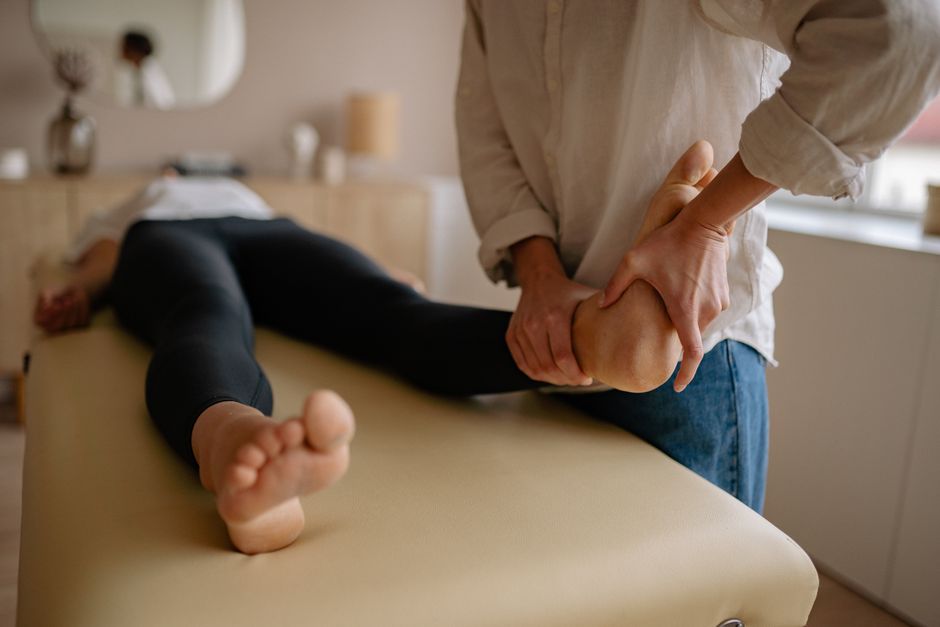
Wrapping a foot for pain and swelling is a compression technique, not a cure. The wrap supports the tissues, limits fluid buildup, and reduces movement that can make an injury worse. Done correctly, it can ease discomfort and help you stay mobile while the underlying problem heals. Done incorrectly, it can cut off circulation or hide a serious injury that needs medical care.
What Does Wrapping A Foot Actually Do?
Compression wrapping works through two main mechanisms: external pressure and limited motion.
When you wrap a foot, the bandage applies gentle, even pressure to the soft tissues. That pressure helps push excess fluid back into the lymphatic and venous systems, which drain it away from the injured area. This is the same principle behind compression stockings used for circulation problems.
The wrap also limits how much the foot can move. After a sprain, strain, or minor fracture, extra movement can irritate damaged tissue and increase swelling. A wrap acts as a soft splint. It does not immobilize the way a cast does, but it reduces the range of motion enough to protect the area.
What a wrap cannot do is repair a torn ligament, fix a broken bone, or treat an infection. It manages symptoms while the body does its own healing. That distinction matters. If the underlying injury is serious, a wrap may make it feel better without making it better.
How To Wrap Your Foot For Pain And Swelling
You need three things: a compression bandage (an elastic wrap, often sold as an ACE bandage), a position where you can reach your foot comfortably, and clean, dry skin.
Start with the foot elevated if possible. Swelling is usually lowest in the morning or after a period of rest, which makes the wrap easier to apply evenly.
Follow these steps:
- Begin at the base of the toes, not the ankle. Wrapping downward from the ankle pushes fluid toward the toes, which is the opposite of what you want.
- Anchor the bandage with one full turn around the ball of the foot.
- Work toward the ankle in overlapping turns. Each turn should cover about half of the previous turn.
- Keep the tension firm but even. You should feel support, not pressure that builds or throbs.
- Continue up past the ankle if the wrap is long enough. Stop below the knee.
- Secure the end with the bandage’s clip or medical tape. Do not tie it so tightly that it creates a ridge.
The wrap should feel snug when you stand and slightly looser when you sit. If it feels tighter after 20 minutes, it is too tight. Rewrap it.
Check your toes after wrapping. They should be warm, pink, and able to move. Numbness, tingling, cold skin, or a blue or gray tint means the wrap is too tight and needs to come off immediately.
How Tight Should A Compression Wrap Be?
A compression wrap should feel like a firm hug, not a grip. You should be able to slide one finger under the edge of the bandage without forcing it.
This is where most people get it wrong. The instinct after an injury is to wrap tighter for more support. But a wrap that is too tight can reduce blood flow, compress nerves, and actually increase pain. It can also mask the swelling it is supposed to control.
Signs a wrap is too tight include:
- Numbness or tingling in the toes
- Toes that feel cold to the touch
- Skin that looks pale, blue, or gray
- Pain that gets worse instead of better
- Swelling that increases above or below the wrap
If any of these happen, remove the wrap right away. Wait until the foot returns to normal color and sensation before rewrapping, and use less tension next time.
People with diabetes, peripheral artery disease, or nerve damage in the feet need to be especially careful. Reduced sensation means you may not feel a wrap that is too tight. If you have any of these conditions, ask a clinician to show you how to wrap correctly before doing it on your own.





When Should You Not Wrap Your Foot?
Compression wrapping is not appropriate for every foot problem. In some cases, it can make things worse.
Do not wrap a foot if:
- You suspect a fracture, dislocation, or serious injury. Immobilize it and get medical care.
- The skin is broken, blistered, or infected. Wrapping over an open wound can trap bacteria and worsen infection.
- There are signs of a blood clot, such as sudden swelling in one leg, warmth, redness, or pain in the calf.
- You have severe peripheral artery disease or poor circulation that has not been evaluated.
- The foot is numb and you cannot feel the wrap.
Swelling in the foot can also signal heart failure, kidney disease, or a reaction to medication. If swelling comes on suddenly without an injury, or affects both feet, that is a medical issue, not a wrapping issue.
How Long Should You Keep A Foot Wrapped?
There is no single correct duration. It depends on what caused the pain and swelling.
For a minor sprain or strain, many clinicians suggest wearing a compression wrap during the day for the first few days, then tapering off as swelling improves. Remove it at night unless a clinician tells you otherwise. Sleep removes the elevation and movement that help circulation, so a wrap that felt fine during the day can become too tight overnight.
Rewrap at least once a day. Bandages loosen as you move, and a loose wrap does not provide useful compression. Check the skin underneath each time for redness, indentations, or irritation.
If swelling has not improved after a few days of rest, elevation, and wrapping, see a clinician. Persistent swelling can point to a problem that compression alone will not fix.
What Else Helps Foot Pain And Swelling?
Wrapping is one part of a broader approach. Used alone, it does less than most people expect.
Elevation matters as much as compression. Raising the foot above heart level uses gravity to help fluid drain. Prop your foot on pillows when sitting or lying down.
Rest protects the injured tissue. That does not mean complete bed rest. It means avoiding activities that cause sharp pain or make swelling worse.
Ice can reduce pain and limit swelling in the first day or two after an injury. Apply a cold pack wrapped in a thin cloth for short periods. Never put ice directly on the skin.
These four steps — rest, ice, compression, and elevation — are often grouped together and called RICE. Some clinicians now add protection, making it PRICE. The evidence for ice specifically is more mixed than most people assume. It clearly helps with pain. Its effect on long-term healing is less certain. Compression and elevation have more consistent support for managing swelling.
Over-the-counter pain relievers can help, but check with a pharmacist or clinician if you take other medications or have health conditions. Some pain relievers can interact with blood pressure drugs or blood thinners.
None of these measures treat the cause. They buy time and comfort while the body heals or while you get a diagnosis.
When To See A Doctor
Some foot problems need professional care, and wrapping at home can delay that.
See a clinician if:
- You cannot bear weight on the foot at all
- The foot looks deformed or is at an odd angle
- Pain is severe or getting worse despite rest
- Swelling does not improve after a few days
- You have numbness, tingling, or loss of sensation
- There is redness, warmth, fever, or pus — signs of infection
- You have diabetes and develop any new foot pain, swelling, or wound
Foot injuries are easy to underestimate. A stress fracture can feel like a bad sprain. A blood clot can feel like a pulled muscle. If something does not add up, get it checked.
Frequently Asked Questions
Should I wrap my foot for swelling at night?
Most people should remove a compression wrap at night unless a clinician advises otherwise. Swelling often improves overnight with elevation, and a wrap that fits well during the day can become too tight while you sleep.
Can wrapping a foot too tight cause damage?
Yes. A wrap that is too tight can reduce blood flow, compress nerves, and worsen pain. Remove it right away if you notice numbness, tingling, cold toes, or skin that looks pale or blue.
How do I know if my foot swelling is serious?
Swelling that comes on suddenly without injury, affects both feet, or comes with redness, warmth, or fever needs medical attention. Persistent swelling that does not improve after a few days should also be checked.
Can I wrap my foot if I have diabetes?
Only with guidance from a clinician. Diabetes can reduce sensation in the feet, which means you may not feel a wrap that is too tight. Ask a healthcare provider to show you the correct technique first.
