
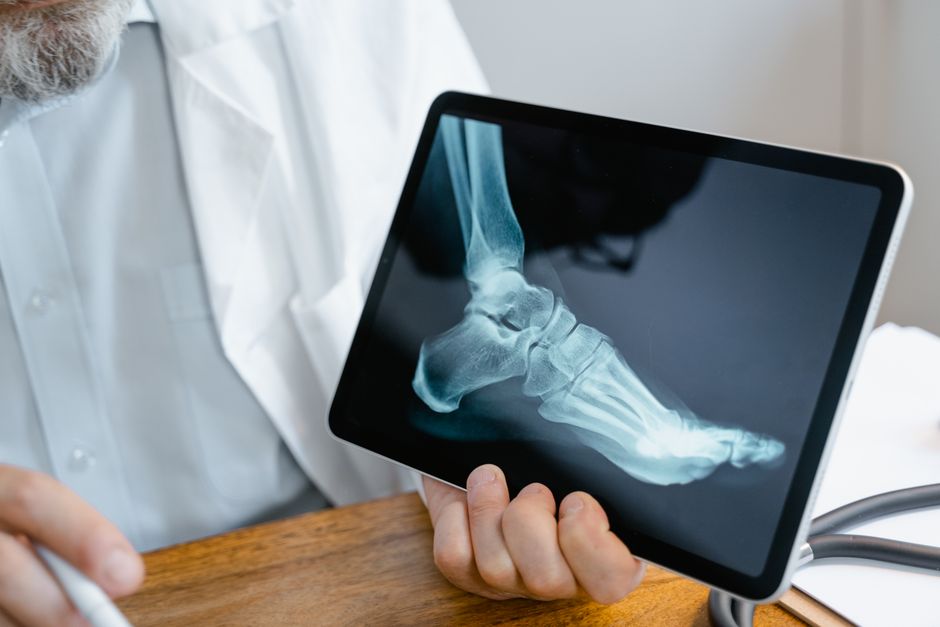
Bone spurs are permanent. Once a bony growth forms on the edge of a bone, it does not dissolve, shrink, or melt away on its own. But here is the part that matters more: the spur itself is often not the problem. The pain, stiffness, and limited movement that send people to a doctor usually come from the joint damage or inflammation that caused the spur to form in the first place. Treat that underlying problem, and most people feel better even though the spur is still there.
Bone spurs — doctors call them osteophytes — are a sign of the body trying to stabilize a joint that has become less stable. The bone thickens where stress is concentrated. This is a normal repair response, not a disease in itself. Many people have bone spurs on X-rays and feel nothing at all.
What Is a Bone Spur, Exactly?
A bone spur is a small, smooth growth of new bone that forms at the edge of an existing bone, usually near a joint or where a tendon or ligament attaches. It is made of the same calcium-rich tissue as the rest of your skeleton. It is not a tumor, and it is not cancer.
The medical term is osteophyte. The word breaks down simply: osteo means bone, and phyte means growth. Osteophytes form when a joint undergoes repeated stress or gradual wear. The cartilage that cushions the joint thins. The bone underneath responds by thickening and spreading outward at the margins to spread the load over a wider area.
Think of it as scaffolding added to a bridge under strain. The bone is doing what bone does when it is asked to carry more weight than the joint was designed for.
Bone spurs can form in many places:
- The spine, where they are often called spinal osteophytes
- The knee, hip, and shoulder joints
- The heel, at the attachment of the plantar fascia
- The fingers, especially near the joints
- The neck, where they can narrow the space for nerves
Most spurs are discovered by accident on an X-ray taken for another reason. They are common with age, and their presence alone does not mean you will have symptoms.
Can Bone Spurs Go Away Without Treatment?
No. A mature bone spur does not go away on its own. Bone tissue that has already formed and calcified is not reabsorbed by the body in any meaningful way. There is no pill, cream, or exercise that removes an existing spur.
This is where a lot of confusion comes from. People hear that a friend’s spur “went away” and assume the bone changed. In most cases, what improved was the pain and inflammation around the joint — not the bone itself. The spur was still there on the next X-ray. It had simply stopped causing trouble.
There is one narrow exception worth knowing about. Very early, small bone formations in some joints can occasionally appear less prominent on later imaging, and some research has looked at whether certain bony changes can partially remodel over time. That evidence is limited and does not apply to established spurs in most people. For practical purposes, assume the spur is permanent.
What can change is how much the spur bothers you. That is a very different question, and it is the one that actually matters for treatment.
Why Do Bone Spurs Cause Pain if the Bone Itself Is Harmless?
Bone spurs cause symptoms when they physically press on something sensitive or when the joint around them is inflamed. The bone tissue of the spur is not what hurts. The structures it crowds are.
Three mechanisms explain most bone spur symptoms:
- Nerve compression. In the spine, a spur can narrow the opening where a nerve exits. This can cause pain, numbness, tingling, or weakness that travels into an arm or leg.
- Joint inflammation. Spurs usually form alongside osteoarthritis, the wear-and-tear form of joint disease. The pain often comes from the arthritic joint, not the spur.
- Soft tissue irritation. A heel spur, for example, is usually found alongside plantar fasciitis. The pain comes from inflammation of the thick band of tissue on the bottom of the foot, not from the spur poking into it.
This last point surprises many people. A heel spur is often blamed for heel pain, but research has found that many people with heel spurs have no heel pain, and many people with heel pain have no spur. The spur is a marker of stress on the foot, not necessarily the source of the pain.
That distinction matters because it changes what treatment should target. You treat the inflamed tissue or the compressed nerve, not the bone.




What Actually Helps Bone Spur Symptoms?
Treatment focuses on reducing inflammation, restoring movement, and taking pressure off the affected area. In most people, symptoms improve with nonsurgical care. What works depends on where the spur is and what it is irritating.
Common approaches supported by clinical practice include:
- Activity adjustment. Reducing the specific activity that flares symptoms gives inflamed tissue time to settle.
- Physical therapy. Strengthening the muscles around a joint improves stability and can reduce the load that led to the spur in the first place.
- Weight management. For spurs in the knee, hip, and foot, reducing body weight lowers the mechanical load on the joint. This is one of the more reliable ways to reduce osteoarthritis symptoms.
- Pain and anti-inflammatory medication. Over-the-counter options can reduce pain and swelling. Anyone with stomach, kidney, or heart conditions, or who takes other medications, should check with a clinician or pharmacist first.
- Footwear and orthotics. For heel and foot spurs, supportive shoes and cushioned inserts can reduce stress on the plantar fascia.
- Injections. Corticosteroid injections are sometimes used for joint or soft tissue inflammation. They can ease pain, but repeated injections carry risks, and they do not remove the spur.
Some clinicians recommend ice, stretching, or specific exercises for particular locations. These are widely used and reasonable, though the strength of evidence varies by condition. The common thread is reducing the load and calming the inflammation.
When Is Surgery Considered for a Bone Spur?
Surgery is not routine for bone spurs. It is reserved for cases where a spur is clearly causing a problem that has not responded to other care — most often significant nerve compression or a joint that has become severely damaged.
Surgery may be discussed when:
- A spinal spur is narrowing the space around a nerve and causing persistent pain, numbness, or weakness
- Range of motion in a joint is seriously limited
- Symptoms continue despite months of nonsurgical treatment
When surgery is done, the goal is usually to relieve pressure on the affected structure, and removing the spur may be part of that. It is not done simply because a spur is visible on an X-ray. Operating on a spur that is not causing symptoms offers no benefit and carries the usual risks of surgery.
Recovery timelines and outcomes vary widely depending on the location and the procedure. A surgeon is the right person to explain what is realistic for a specific case. There is no single recovery timeline that applies to all bone spur surgery.
Can You Prevent Bone Spurs From Forming?
You cannot guarantee that a bone spur will never form. Age and genetics play a role that no one can control. But you can reduce some of the mechanical stress that drives them.
Because spurs are linked to joint wear and repeated strain, the general measures that protect joints are the same ones that may lower the risk:
- Stay physically active with low-impact exercise to keep joints and muscles strong
- Maintain a healthy body weight to reduce load on the knees, hips, and feet
- Use good posture and body mechanics, especially when lifting or sitting for long periods
- Wear supportive shoes, particularly if you spend long hours on your feet
- Address joint injuries and get persistent joint pain checked rather than pushing through it
These steps are sensible for joint health in general. Whether they prevent bone spurs specifically has not been proven in large trials, so treat them as reasonable risk reduction rather than a guarantee.
The most useful mindset is this: don’t fear the spur. Pay attention to the joint. If a joint is painful, stiff, or limiting your movement, that is the signal worth acting on — and it is often treatable even when the bone itself will not change.
Frequently Asked Questions
Can bone spurs go away on their own?
No. A formed bone spur is permanent and does not dissolve or shrink on its own. The pain and inflammation around it often improve with treatment, even though the spur remains.
Can bone spurs be dissolved or removed without surgery?
No proven treatment dissolves an existing bone spur. Nonsurgical care reduces inflammation and pressure on nearby tissues, which relieves symptoms but does not remove the bone.
Do bone spurs always cause pain?
No. Many people have bone spurs that cause no symptoms at all and are only found on imaging done for another reason. Pain usually comes from the joint or tissue the spur affects, not the spur itself.
Does a heel spur cause heel pain?
Not necessarily. Heel spurs are common in people with and without heel pain, and the pain usually comes from inflammation of the plantar fascia rather than the spur.
