
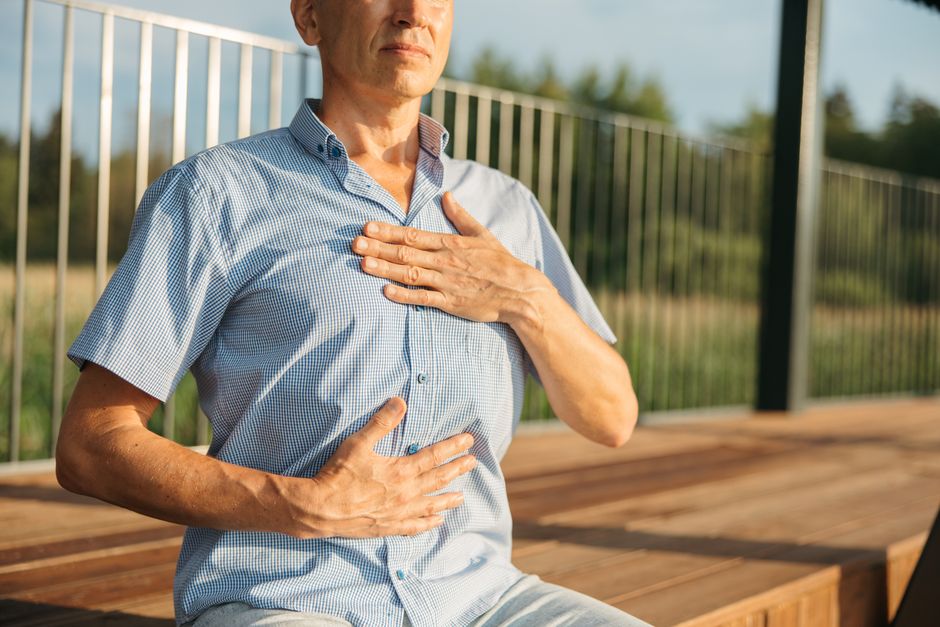
Yes, anxiety can absolutely cause chest pain. This is one of the most common physical symptoms people experience during periods of high stress or panic. The pain can feel sharp, dull, or like pressure across your chest — sometimes so intense that people mistake it for a heart attack. Understanding why this happens and how to tell the difference between anxiety-related chest pain and cardiac problems can help you respond appropriately and reduce unnecessary worry.
What Causes Chest Pain During Anxiety?
Anxiety triggers your body’s fight-or-flight response. Your sympathetic nervous system releases adrenaline and cortisol which prepare you to respond to danger. This cascade affects multiple systems in your chest area simultaneously.
Your breathing pattern changes first. Most people hyperventilate without realizing it — taking rapid shallow breaths that reduce carbon dioxide levels in your blood. This causes blood vessels to constrict and can create a tingling sensation or tightness across your chest. The muscles between your ribs tense up as you breathe faster, creating a squeezing sensation that feels remarkably similar to cardiac pain.
Your heart rate increases significantly during anxiety. This is normal and expected. However the heightened awareness of your heartbeat combined with chest muscle tension creates a feedback loop. You notice your heart pounding. That makes you more anxious. The anxiety makes the physical sensations stronger. Many people describe this as feeling like their heart is going to burst through their chest.
Esophageal spasms also contribute to anxiety-related chest pain. Stress affects your digestive system and can cause the muscles in your esophagus to contract irregularly. This creates sharp pain in the center of your chest that can last several minutes. Some people also experience acid reflux during anxious episodes which adds burning pain to the mix.
How Do You Know If Chest Pain Is From Anxiety or Your Heart?
This is the question that sends thousands of people to emergency rooms every year. Some differences can help you distinguish between the two though you should never diagnose yourself if you are genuinely concerned.
Anxiety-related chest pain tends to be sharp or stabbing and stays in one specific spot. You can often point to exactly where it hurts. It usually peaks within 10 minutes and then gradually fades. The pain may move around or come and go in waves. It often gets worse when you press on your chest muscles or take a deep breath.
Cardiac chest pain is typically described as pressure, heaviness, or squeezing that spreads across a broader area. It may radiate to your jaw, neck, shoulders, or down your left arm. It usually does not change when you move or breathe deeply. Cardiac pain often comes with other symptoms like nausea, cold sweats, dizziness, or extreme fatigue that feels different from anxiety-related tiredness.
Timing matters too. Anxiety chest pain frequently occurs during or immediately after a stressful event, panic attack, or period of intense worry. Heart-related pain may occur during physical exertion or even at rest with no obvious trigger. As of 2026, emergency physicians still recommend seeking immediate care if you are over 40, have risk factors for heart disease, or if the pain feels different from your usual anxiety symptoms.
| Characteristic | Anxiety-Related Pain | Cardiac-Related Pain |
|---|---|---|
| Location | Sharp, localized, often left side | Pressure across chest, may radiate |
| Duration | Peaks in 10 minutes, fades gradually | Lasts longer, may worsen over time |
| Breathing impact | Often worse with deep breaths | Usually unchanged by breathing |
| Trigger | Follows stress or panic episode | May occur during exertion or at rest |
| Other symptoms | Racing thoughts, hyperventilation | Nausea, cold sweats, arm/jaw pain |
Can Anxiety Cause Chest Pain That Lasts for Days?
Yes, though the pattern is usually different from continuous pain. People with chronic anxiety often experience recurring episodes of chest discomfort that come and go over several days or weeks. The underlying muscle tension in your chest wall can persist even between acute anxiety episodes.
What happens is your chest muscles remain partially contracted from ongoing stress. This creates a dull ache or tightness that feels worse at certain times of day. Many people notice it most in the morning when cortisol levels are naturally higher or in the evening when they finally stop moving and notice their body’s signals. This chronic tension is different from the sharp pain of a panic attack but it is still real and still caused by anxiety.
Costochondritis is another factor. This is inflammation of the cartilage connecting your ribs to your breastbone. Studies suggest anxiety and stress can trigger or worsen this condition. The pain is typically sharp and located along the left side of your breastbone. It can last for weeks and feels worse when you press on the area or twist your upper body.
If chest discomfort persists for more than a few days, getting it checked makes sense even if you are confident it is anxiety-related. Not because anxiety cannot cause prolonged symptoms — it absolutely can — but because ruling out other causes gives you peace of mind and that reduces anxiety itself.




What Actually Works to Stop Anxiety Chest Pain?
The most effective immediate technique is controlled breathing. Not just “take a deep breath” but structured breathing that resets your nervous system. Try the 4-7-8 method: breathe in through your nose for 4 counts, hold for 7 counts, exhale slowly through your mouth for 8 counts. Repeat this 4 times. This forces your parasympathetic nervous system to activate and counteracts the fight-or-flight response causing your symptoms.
Progressive muscle relaxation targets the chest tension directly. Start by tensing your chest and shoulder muscles as hard as you can for 5 seconds then release completely. The contrast helps you recognize what relaxation actually feels like. Move through your body systematically — arms, face, neck, chest, stomach, legs. This interrupts the tension-anxiety feedback loop.
Physical movement helps more than most people expect. A 10-minute walk changes your breathing pattern naturally and gives your body something to do with the adrenaline flooding your system. Anxiety prepares you to run from danger. Actually moving makes physiological sense to your nervous system and helps metabolize stress hormones faster.
Here are additional approaches that research supports:
- Apply a cold pack to your chest for 10 minutes to reduce muscle inflammation and interrupt pain signals
- Drink cold water slowly to stimulate your vagus nerve which helps calm your heart rate
- Practice grounding techniques like naming 5 things you can see, 4 you can hear, 3 you can touch
- Avoid caffeine for several hours as it amplifies anxiety symptoms and increases heart rate
- Use a heating pad on your upper back to relax chest wall muscles from the posterior side
Cognitive behavioral therapy provides longer-term solutions. CBT helps you identify thought patterns that escalate physical anxiety symptoms. When you recognize “my heart is racing therefore I must be dying” as an anxious thought rather than a fact, the physical symptoms often decrease in intensity. Studies consistently show CBT reduces both the frequency and severity of anxiety-related chest pain over time.
What Medications Help With Anxiety-Related Chest Pain?
No medication targets anxiety chest pain specifically. Instead, treatments focus on reducing overall anxiety which then decreases physical symptoms including chest discomfort.
SSRIs like sertraline and escitalopram are first-line treatments for generalized anxiety disorder and panic disorder. These medications take 4-6 weeks to reach full effectiveness. They do not stop chest pain in the moment but they reduce the frequency and intensity of anxiety episodes over time. Evidence suggests they work by increasing serotonin availability which helps regulate mood and stress responses.
Benzodiazepines like lorazepam work quickly — usually within 30 minutes — and can stop a panic attack and its accompanying chest pain. However they carry significant risks including dependence and cognitive impairment. Most physicians now prescribe these only for occasional use during severe episodes, not as a daily treatment.
Beta-blockers like propranolol block adrenaline receptors. This slows your heart rate and reduces the physical sensations of anxiety including chest tightness and pounding heartbeat. Some people take these as-needed before anxiety-provoking situations. They treat symptoms without addressing underlying anxiety which makes them useful for specific scenarios but not a complete solution.
Buspirone is less commonly discussed but works well for some people. It takes several weeks to become effective and does not cause dependence like benzodiazepines. Research shows it reduces general anxiety symptoms though it is not as effective for panic attacks specifically.
Many people find magnesium supplementation helpful though the evidence is moderate rather than strong. Magnesium helps regulate nervous system function and muscle relaxation. Typical doses range from 200-400mg daily. This is widely considered safe though it can cause digestive upset in some people.
When Should You Actually Go to the Emergency Room?
Knowing when chest pain requires immediate medical attention can be genuinely difficult if you have experienced anxiety-related chest pain before. The risk is that you normalize symptoms and miss something serious.
Go to the ER immediately if your chest pain includes any of these warning signs: pain that spreads to your jaw, neck, shoulders, back, or down one or both arms; pain accompanied by shortness of breath, nausea, vomiting, or sweating; pain that feels different from your usual anxiety symptoms; pain that gets worse rather than better after 10-15 minutes; dizziness or feeling like you might pass out; or if you have risk factors for heart disease like diabetes, high blood pressure, high cholesterol, smoking, or family history of early heart attacks.
Call 911 rather than driving yourself. Paramedics can start treatment immediately and can get you into an emergency department faster than if you walk in on your own. If it turns out to be anxiety-related chest pain, that is a good outcome. Nobody in an ER will make you feel foolish for coming in with chest pain that turns out to be anxiety. They would much rather see you unnecessarily than miss someone having a heart attack.
For people who have confirmed anxiety-related chest pain through previous medical evaluation, having a plan helps. Knowing that you have been cleared for cardiac problems within the past year and that your symptoms match your typical pattern can help you manage at home. But any change in your pattern — new symptoms, different intensity, or occurrence at rest when you are calm — warrants reevaluation.
Frequently Asked Questions About Anxiety Chest Pain
Can anxiety cause chest pain on the left side?
Yes, anxiety frequently causes chest pain on the left side where people are most aware of their heart. This location makes the pain feel more alarming but left-sided chest pain is actually very common with anxiety and does not indicate a heart problem by itself.
How long does anxiety chest pain usually last?
Anxiety chest pain typically peaks within 10 minutes and fades over the next 20-30 minutes. Some people experience lingering muscle soreness for hours afterward, and chronic anxiety can cause intermittent discomfort that comes and goes over days or weeks.
Can you have chest pain from anxiety without feeling anxious?
Yes, physical anxiety symptoms can occur without conscious feelings of worry or panic. Your body may respond to subconscious stress or you might be so used to anxiety that you no longer recognize the mental component while still experiencing chest pain and other physical symptoms.
Does anxiety chest pain get worse when lying down?
Many people notice their anxiety chest pain feels worse when lying down because they are more aware of their heartbeat and breathing. Lying down can also trigger acid reflux which adds to chest discomfort, and the quiet stillness removes distractions that helped you ignore the symptoms while active.
