
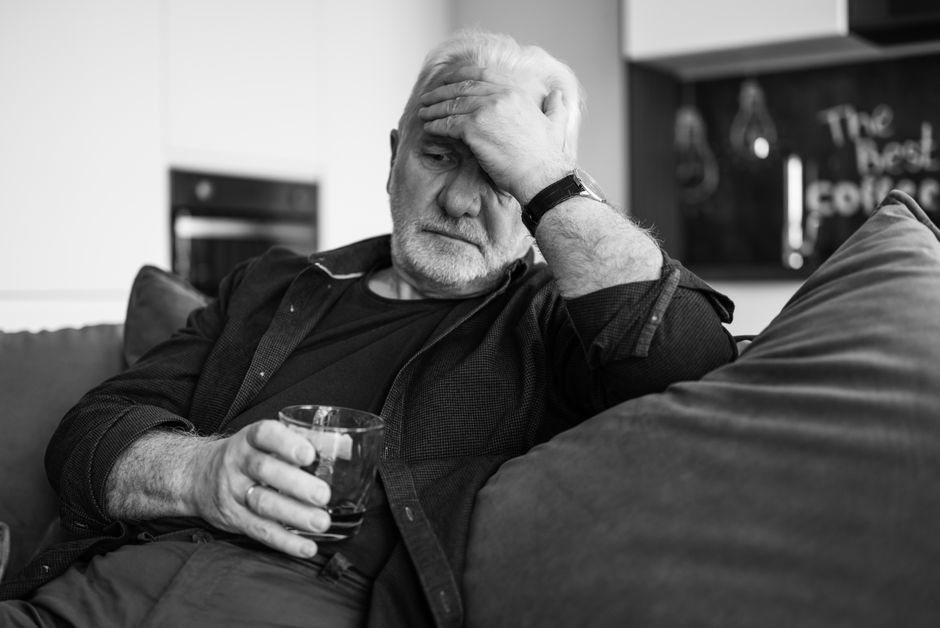
Alcohol can cause anxiety, and the relationship runs in both directions. The immediate calming effect of a drink is real but short-lived. As alcohol leaves the body, the brain’s stress response rebounds, often producing anxiety that is worse than before drinking. Over time, heavy or regular drinking can create a cycle where anxiety drives drinking and drinking deepens anxiety.
Can Alcohol Cause Anxiety?
Yes. Alcohol can trigger anxiety through several well-understood biological pathways. The effect can show up within hours of drinking, the morning after, or gradually over months and years of regular use.
Alcohol is a central nervous system depressant. It slows brain activity by boosting the effects of GABA, a neurotransmitter that calms neural activity, and by reducing the effects of glutamate, a neurotransmitter that excites it. This is why a drink can feel relaxing at first.
The brain adapts. When alcohol is present often, the brain compensates by reducing GABA activity and increasing glutamate activity to maintain balance. When drinking stops, that compensation remains. The result is an overactive, excitatory brain state — racing thoughts, restlessness, a sense of dread. That is the physiology of alcohol-induced anxiety.
This rebound is sometimes called “hangxiety.” It can happen after a single heavy episode or after years of regular drinking. It is not a sign of weakness. It is a predictable response of a brain trying to rebalance itself.
Why Does Alcohol Make Anxiety Worse the Next Day?
The morning after drinking, blood alcohol is falling or has cleared. The brain, still in its compensated state, is now running with less calming GABA activity and more excitatory glutamate activity than normal. That imbalance produces symptoms that look and feel like anxiety.
Several factors stack on top of each other:
- Rebound brain activity from alcohol withdrawal, even mild
- Disrupted sleep, particularly less REM and more fragmented sleep
- Dehydration and electrolyte shifts
- Low blood sugar, which can mimic anxiety symptoms
- Increased heart rate and sweating from the body clearing alcohol
A pounding heart, shaky hands, and a sense of impending doom the morning after drinking are not separate problems. They are one physiological event. The severity tends to track with how much was drunk and how regularly.
This is why people sometimes drink again the next day to stop the feeling. That relief is real, but it reinforces the cycle.
How Does Alcohol Affect Existing Anxiety Disorders?
For people who already have an anxiety disorder, alcohol tends to make symptoms worse over time, not better. The short-term relief is genuine but it comes at a cost.
Anxiety disorders involve an already sensitized stress response. Alcohol adds a second layer of dysregulation on top of that. Research consistently shows that people with anxiety disorders who drink heavily tend to have more severe symptoms, more frequent panic attacks, and poorer response to treatment than those who do not drink heavily.
The relationship is bidirectional. Anxiety increases the risk of developing an alcohol use disorder, and alcohol use increases the risk of developing an anxiety disorder. Neither direction is guaranteed, but both are well documented.
One detail worth knowing: alcohol can trigger panic attacks directly. A panic attack during or shortly after drinking is not unusual, even in people who have never had one before. The physical sensations of alcohol — rapid heart rate, sweating, dizziness — can themselves be interpreted by the brain as signs of danger, setting off a panic response.


What Is the Difference Between Hangxiety and an Anxiety Disorder?
Hangxiety is temporary and tied to drinking. It usually fades within a day or two as the brain rebalances. An anxiety disorder is persistent, occurs independently of alcohol, and interferes with daily life.
The two can overlap. Someone who drinks heavily may develop anxiety symptoms that do not fully resolve between drinking episodes. At that point, it is no longer just a hangover effect.
Signs that anxiety may be more than a temporary rebound include:
- Anxiety that persists for days or weeks after stopping drinking
- Anxiety that occurs even when not drinking
- Avoiding social situations unless drinking
- Drinking specifically to manage anxiety
- Panic attacks that happen without alcohol involved
These patterns warrant a conversation with a doctor or mental health professional. They are treatable, and the earlier they are addressed, the better the outcome tends to be.
Does Quitting Alcohol Reduce Anxiety?
For many people, yes. Anxiety often improves significantly in the weeks and months after stopping or substantially reducing drinking. The brain’s stress system rebalances, sleep improves, and the rebound effect disappears.
The timeline varies. Some people notice improvement within days. Others take weeks or longer, especially after years of heavy drinking. Early withdrawal can temporarily increase anxiety before it gets better. This is normal and is one reason medical support during withdrawal is important for people who have been drinking heavily.
It is also possible for anxiety to remain after quitting. In those cases, alcohol may have been masking or worsening an underlying anxiety disorder that now needs its own treatment. That is not a failure. It is useful information.
Treatment for anxiety — therapy, medication, or both — tends to work better when alcohol is not actively disrupting sleep, brain chemistry, and emotional regulation.
Can Moderate Drinking Cause Anxiety?
Moderate drinking is less likely to cause persistent anxiety than heavy drinking, but it is not risk-free. Even moderate amounts can disrupt sleep and produce a mild rebound the next day in some people.
Individual sensitivity varies widely. Some people feel anxious after a single drink. Others do not notice effects until they drink more heavily or more often. Genetics, baseline anxiety level, sleep quality, and other health factors all play a role.
There is no universally safe amount of alcohol for anxiety. The evidence supports a general pattern: the more you drink, and the more often, the greater the risk of anxiety symptoms. Reducing intake is one of the most direct ways to test whether alcohol is contributing to how you feel.
If you are taking medication for anxiety, it is worth checking with your prescriber about how alcohol interacts with it. Some medications amplify alcohol’s effects. Others become less effective when alcohol is in the picture. This is a conversation to have with a clinician, not something to guess at.
When Should You Get Help?
Seek professional support if anxiety is interfering with work, relationships, or sleep, if you are drinking to manage anxiety, or if you have tried to cut back and found it difficult.
If you have been drinking heavily and want to stop, talk to a doctor first. Sudden withdrawal from heavy alcohol use can be dangerous and in some cases life-threatening. Medical supervision makes stopping safer and more manageable.
Help is available. Primary care doctors, therapists, and addiction medicine specialists can all be starting points. The National Institute on Alcohol Abuse and Alcoholism and the Substance Abuse and Mental Health Services Administration both provide information and referral resources.
Anxiety and alcohol problems are both treatable. Addressing them together tends to work better than addressing either one alone.
Frequently Asked Questions
Can alcohol cause anxiety the next day?
Yes. As alcohol leaves the body, the brain’s stress response rebounds, often producing anxiety, restlessness, and a rapid heartbeat. This effect is commonly called hangxiety and usually fades within a day or two.
How long does alcohol-induced anxiety last?
For most people, it eases within 24 to 48 hours after drinking stops. With regular heavy drinking, anxiety can persist for weeks or longer as the brain rebalances.
Does quitting alcohol help with anxiety?
For many people, anxiety improves significantly in the weeks and months after stopping or cutting back. Some people find that underlying anxiety remains and needs its own treatment.
Can one drink cause anxiety?
In some people, yes, especially those who are sensitive to alcohol or already prone to anxiety. The effect is more likely with heavier or more frequent drinking.
