
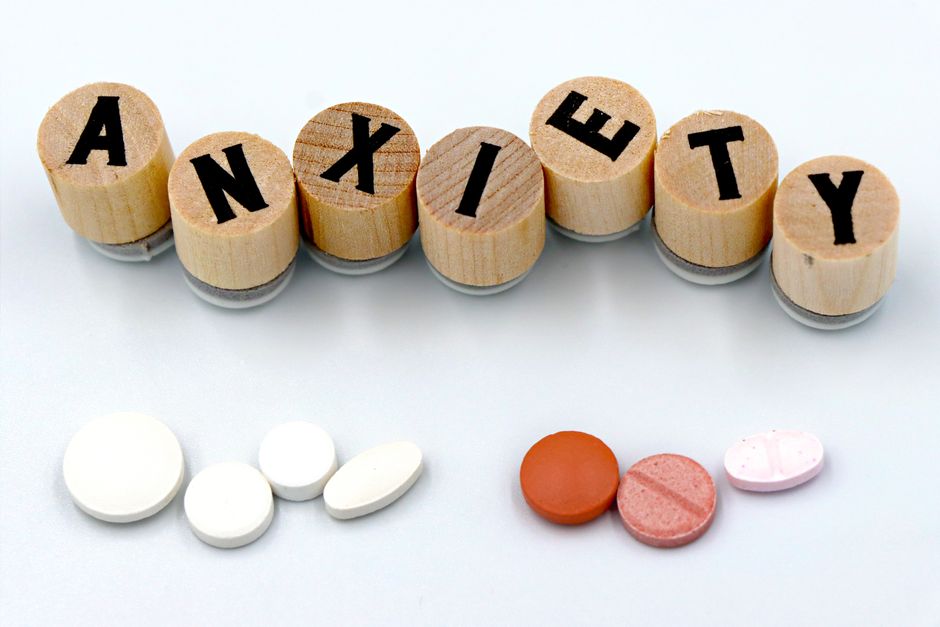
An anxiety attack is a sudden wave of intense fear or discomfort that peaks within minutes. You might feel your heart racing, struggle to catch your breath, and be overwhelmed by a sense that something terrible is happening. The key is recognizing that these physical sensations, while frightening, are the body’s stress response gone into overdrive, not a sign of a heart attack or a loss of control.
What Does an Anxiety Attack Actually Feel Like?
The experience is intensely physical. Your body’s “fight or flight” system, controlled by the sympathetic nervous system, floods your system with stress hormones like adrenaline. This prepares your body to face a threat, even when no physical danger exists. The result is a collection of very real physical symptoms that can feel alarming.
Common symptoms include a pounding or racing heart, chest tightness, and shortness of breath. You may feel dizzy, lightheaded, or shaky. Many people report a sensation of choking, sweating, or hot flashes and chills. Your stomach may churn, and you might feel nauseous. A common and distressing symptom is the feeling of being detached from yourself or reality, as if you are watching yourself from outside your body. This is called depersonalization or derealization, and while it is deeply unsettling, it is a recognized symptom of intense anxiety.
The mental experience is equally intense. You might have a sudden, overwhelming fear of dying, losing control, or “going crazy.” These thoughts are symptoms of the attack, not predictions of the future. The whole experience usually builds to a peak within 10 minutes and then gradually subsides, although some attacks can last longer and the feeling of exhaustion afterwards can persist for hours.
How Do You Know You’re Having an Anxiety Attack and Not Something Else?
This is the most important question, and it deserves a careful answer. The symptoms of a panic attack can closely mimic other serious medical conditions, especially heart problems. Chest pain, shortness of breath, and a racing heart are also signs of a heart attack. Because of this overlap, it is not always possible to self-diagnose with certainty.
If you experience chest pain for the first time, especially if you have risk factors for heart disease, you should seek medical evaluation. It is always safer to have a doctor rule out a cardiac issue. This is not being overly cautious; it is being medically responsible. A doctor can perform an EKG and other tests to check your heart. Once a medical cause has been ruled out, you can be more confident that your symptoms are related to anxiety.
There are some patterns that can help distinguish between the two, but they are not definitive. Anxiety attacks are often triggered by a specific stressor or a feeling of being trapped. A heart attack often occurs during physical exertion, though it can also happen at rest. Anxiety-related chest pain is often sharp and localized, while cardiac pain is more often described as a pressure or squeezing sensation that can radiate to the arm or jaw. Again, these are general patterns, not reliable diagnostic tools. The only way to be sure is to get a professional evaluation.
What Is the Difference Between an Anxiety Attack and a Panic Attack?
The terms are often used interchangeably, but in clinical practice there is a distinction. A panic attack is a defined diagnosis in the DSM-5, the manual used by mental health professionals. It involves a sudden surge of intense fear or discomfort that peaks within minutes and includes at least four of a specific list of physical and cognitive symptoms. These include palpitations, sweating, trembling, shortness of breath, chest pain, nausea, dizziness, chills or heat sensations, numbness or tingling, and fears of losing control or dying.
“Anxiety attack” is not a formal medical diagnosis. It is a term people use to describe a period of intense anxiety that may build more gradually. It can involve many of the same symptoms, but it might not meet the strict criteria for a panic attack. For example, you might feel a rising sense of worry and tension with a racing heart and difficulty focusing, but without the sudden, overwhelming peak of terror that defines a panic attack. For practical purposes, the management strategies are similar. The distinction matters mostly for accurate diagnosis and treatment by a professional.


What Should You Do When It Is Happening?
When an attack strikes, your brain is telling you that you are in danger. Your goal is to signal to your body that you are safe. This takes practice, and the techniques below are not a cure, but they can help you ride out the wave.
First, ground yourself in the present moment. A common technique is the 5-4-3-2-1 method. Name 5 things you can see, 4 things you can touch, 3 things you can hear, 2 things you can smell, and 1 thing you can taste. This forces your brain to shift focus from the internal alarm to the external, safe environment.
Second, slow your breathing. When you are anxious, you tend to take rapid, shallow breaths from your chest. This can lead to hyperventilation, which lowers carbon dioxide levels in your blood and can worsen dizziness and tingling. Try to breathe from your diaphragm. Place one hand on your belly and breathe in slowly through your nose, feeling your belly rise. Then breathe out slowly through your mouth. Aim for a slow, steady rhythm, such as inhaling for a count of four and exhaling for a count of six. The exhale is important because it activates the parasympathetic nervous system, which is your body’s “rest and digest” system that counteracts the stress response.
Third, remind yourself that this is temporary. An anxiety attack, no matter how intense, will pass. It is a wave of adrenaline, and adrenaline has a short half-life in the body. Repeating a simple phrase to yourself, like “This is uncomfortable, but it is not dangerous and it will pass,” can help counter the catastrophic thoughts.
Why Do Anxiety Attacks Happen?
There is usually not a single cause. A combination of genetics, brain chemistry, personality, and life experiences all play a role. Some people are simply more sensitive to stress or have a more reactive amygdala, the part of the brain that processes fear. Others may develop anxiety attacks after a period of chronic stress, a major life change, or a traumatic event.
Sometimes, an attack seems to come out of nowhere. This is one of the most frightening aspects of the condition. It can happen when you are relaxed, at home, or even during sleep. In these cases, your body’s alarm system may be misfiring, interpreting a minor physical sensation or an unconscious thought as a major threat. Understanding that an attack is a false alarm can help reduce the secondary anxiety of worrying about when the next one will happen. If you start to fear the fear itself, you can fall into a cycle that makes attacks more frequent.
When Should You Seek Professional Help?
Having a single anxiety attack does not mean you have an anxiety disorder. Many people experience one in their lifetime during a highly stressful period. However, you should consider speaking with a healthcare provider if attacks are recurring, if you are constantly worried about having another one, or if you are changing your behavior to avoid situations that might trigger an attack. This avoidance can significantly impact your work, relationships, and quality of life.
Effective treatments exist. Cognitive behavioral therapy (CBT) is a well-established and highly effective treatment. It helps you identify and change the thought patterns that fuel anxiety and the behaviors that maintain it. A specific form of CBT called exposure therapy is particularly effective for panic disorder. It involves gradually and safely confronting feared sensations and situations in a controlled way to learn that they are not dangerous.
Medication can also be helpful. Selective serotonin reuptake inhibitors (SSRIs) are commonly prescribed for anxiety disorders and can reduce the frequency and intensity of attacks. In some cases, a doctor may prescribe a fast-acting medication for use during an attack, but these are typically not a first-line treatment due to their potential for dependence. You should never take medication, including over-the-counter supplements, without discussing it with a doctor. The right treatment plan is personal and should be made with a qualified professional.
Frequently Asked Questions
How long does an anxiety attack last?
Most anxiety attacks peak within 10 minutes and subside within 20 to 30 minutes. The lingering feeling of exhaustion or unease can last for several hours afterwards.
Can an anxiety attack cause a heart attack?
No, an anxiety attack itself does not cause a heart attack. However, the symptoms can be identical, so new or severe chest pain should always be evaluated by a doctor to rule out a cardiac cause.
What is the best way to calm down during an anxiety attack?
Slow your breathing and ground yourself in your surroundings. Focus on a long exhale and use a grounding technique like naming things you can see and touch to shift your focus away from the fear.
Is it possible to have an anxiety attack while sleeping?
Yes, this is called a nocturnal panic attack. It happens during the transition between sleep stages and can wake you with intense fear and physical symptoms, even if you were not feeling anxious before falling asleep.
