
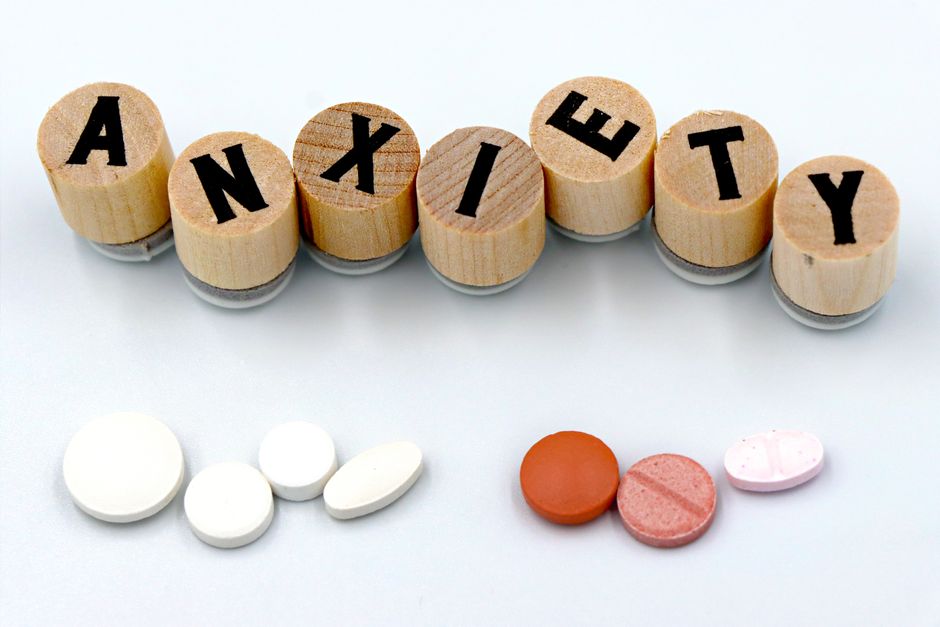
Extreme anxiety and stress can make you feel like you are losing control, but you are not. The first step is to ground yourself in the present moment using your breath, and the second is to seek professional support if these feelings persist. This guide explains what is happening in your body and gives you practical, evidence-based steps to manage the immediate crisis and the long-term pattern.
What Does Extreme Anxiety Actually Feel Like?
Extreme anxiety is not just feeling nervous. It is a full-body experience that can mimic a heart attack or a stroke. Your heart races, your chest feels tight, and you may sweat, shake, or feel dizzy. Many people describe a sense of impending doom or a feeling that they are going crazy.
These physical sensations come from your autonomic nervous system. This is the part of your body that controls your heart rate, breathing, and digestion without you thinking about it. When your brain perceives a threat, it triggers the “fight or flight” response, flooding your system with adrenaline and cortisol. This is a normal, protective mechanism, but it becomes a problem when it fires without a real physical threat.
Stress is different from anxiety, though they often travel together. Stress is usually a response to an external trigger, like a deadline or a conflict. Anxiety is the worry and fear that often continues even after the trigger is gone. When stress becomes chronic, it can wear down your nervous system and leave you more vulnerable to anxiety attacks.
What to Do in the Moment When Anxiety Feels Unbearable
When anxiety peaks, your thinking brain goes offline. Trying to reason with yourself often fails because the logical part of your brain is not in charge. You need to work with your body first to signal safety to your brain.
Grounding techniques can help shift your focus from the internal panic to the external environment. The 5-4-3-2-1 method is a common approach: name five things you can see, four you can touch, three you can hear, two you can smell, and one you can taste. This forces your brain to process sensory information, which can interrupt the anxiety spiral.
Breathing is another immediate tool, but not all breathing techniques work the same way. Slow, extended exhales are the most effective for calming the nervous system. Try breathing in through your nose for a count of four, holding gently for a moment, and exhaling slowly through your mouth for a count of six or eight. The goal is to make the exhale longer than the inhale. This activates the parasympathetic nervous system, which is responsible for rest and digestion.
Cold water can also be a powerful reset. Splashing cold water on your face or holding an ice cube can trigger the “mammalian dive reflex,” which naturally slows your heart rate and redirects blood flow. Some people find that stepping outside into cold air works just as well.
How to Deal with Extreme Anxiety and Stress Long-Term
Managing the moment is essential, but it does not solve the underlying pattern. Chronic anxiety often persists because your nervous system has become sensitized. It perceives threats that are not there because it has been on high alert for too long.
Regular physical activity is one of the strongest evidence-based tools for anxiety. Exercise burns off excess stress hormones and produces endorphins, which are natural mood elevators. You do not need to run a marathon. A brisk 30-minute walk several times a week can make a meaningful difference. The key is consistency, not intensity.
Sleep is equally important. Poor sleep and anxiety create a vicious cycle. Anxiety makes it hard to sleep, and sleep deprivation makes anxiety worse. If you struggle with sleep, focus on a consistent wake time rather than a bedtime. Getting up at the same time every day helps regulate your body’s internal clock, which can improve sleep quality over time.
Caffeine and alcohol deserve careful attention. Caffeine is a stimulant that can trigger or worsen anxiety symptoms, especially in high doses. Alcohol may temporarily dull anxiety, but it disrupts sleep architecture and often causes rebound anxiety the next day. Reducing or eliminating both is one of the most effective lifestyle changes for people with high anxiety.


When to Seek Professional Help for Severe Anxiety
Self-help strategies have limits. If your anxiety is interfering with your ability to work, maintain relationships, or leave your house, it is time to talk to a professional. Anxiety disorders are among the most treatable mental health conditions, but they rarely resolve without targeted treatment.
Cognitive behavioral therapy (CBT) has the strongest evidence base for anxiety disorders. CBT helps you identify and challenge the thought patterns that fuel anxiety and gradually face the situations you avoid. Exposure therapy, a specific form of CBT, involves confronting feared situations in a structured, gradual way under the guidance of a therapist. It is highly effective but can feel uncomfortable at first.
Medication is another option that many people find helpful. Selective serotonin reuptake inhibitors (SSRIs) are commonly prescribed for anxiety. They are not fast-acting; they typically take several weeks to show full effect. Some doctors prescribe short-acting medications for immediate relief during crises, but these carry a risk of dependence and are not meant for long-term use.
If you are having thoughts of harming yourself or feel like you cannot keep yourself safe, this is a medical emergency. Call 988 in the United States to reach the Suicide and Crisis Lifeline. You can also go to your nearest emergency room. These resources exist to help you, and using them is a sign of strength, not weakness.
What Actually Causes Extreme Anxiety and Stress?
Anxiety does not have a single cause. It is usually a combination of genetics, environment, and life experience. Some people have a family history of anxiety, which suggests a biological predisposition. Others develop anxiety after prolonged stress, trauma, or major life changes.
It is important to distinguish between anxiety that is primary and anxiety that is a symptom of something else. Thyroid conditions, heart arrhythmias, and certain vitamin deficiencies can produce symptoms that look exactly like anxiety. Low blood sugar can also trigger panic-like symptoms. If your anxiety is new, sudden, or accompanied by physical symptoms like weight loss or palpitations, a medical evaluation is warranted.
Substance use can also cause or worsen anxiety. Stimulants like cocaine and methamphetamine can produce severe anxiety and paranoia. Even over-the-counter decongestants and some asthma medications can trigger anxiety in sensitive individuals. Withdrawal from alcohol or benzodiazepines can cause extreme anxiety that lasts for weeks.
Can Diet and Supplements Help with Anxiety?
Diet influences mood, but it is not a cure for anxiety. A diet that is consistently high in processed foods and sugar can contribute to blood sugar swings that mimic anxiety symptoms. Eating regular, balanced meals with adequate protein and fiber helps keep blood sugar stable.
Some research suggests that magnesium and certain B vitamins may play a role in mood regulation. However, the evidence for supplements in treating clinical anxiety is limited. No clinical guidelines currently recommend a specific supplement as a first-line treatment for anxiety disorders. If you choose to try a supplement, talk to your doctor first, especially if you take other medications.
Omega-3 fatty acids, found in fatty fish, have been studied for their potential mood benefits. Some studies indicate a modest effect, but results are mixed. The evidence is not strong enough to recommend omega-3s as a treatment for anxiety, though including fish in your diet is generally healthy for other reasons.
How to Support Someone Experiencing Extreme Anxiety
Watching someone you care about struggle with anxiety is difficult. You may feel helpless or frustrated, especially if their fears seem irrational to you. The most important thing you can do is listen without judgment. Do not tell them to calm down or that it is all in their head. They already know it feels irrational, and that knowledge often makes it worse.
Ask them what they need in the moment. Some people want to talk, while others want distraction or silence. During a panic attack, simple presence can be calming. You can help them focus on their breathing or guide them through a grounding exercise. Do not force physical contact, as some people feel claustrophobic during panic.
Encourage them to seek professional help, but do not push. If they are already in therapy, support their treatment plan. If they are not, you can gently suggest that a therapist might help and offer to help them find one. Avoid enabling avoidance behaviors, such as doing things for them that they are afraid to do themselves. This can reinforce the anxiety in the long run.
Frequently Asked Questions
What is the fastest way to calm an anxiety attack?
Slow, extended exhales are the fastest way to signal safety to your nervous system. Breathe in through your nose for a count of four and out through your mouth for a count of six or eight.
How do I know if my anxiety needs professional treatment?
If anxiety interferes with your daily functioning, relationships, or ability to leave the house, professional help is warranted. Therapy and medication are highly effective for anxiety disorders.
Can extreme anxiety cause physical symptoms that mimic a heart attack?
Yes, panic attacks can cause chest pain, rapid heartbeat, shortness of breath, and dizziness that closely resemble a heart attack. If you are unsure, seek emergency medical care to rule out a cardiac cause.
Is it possible to recover from severe anxiety completely?
Many people experience significant improvement or full recovery with proper treatment. Anxiety is highly treatable, though some people may need ongoing management strategies.
