
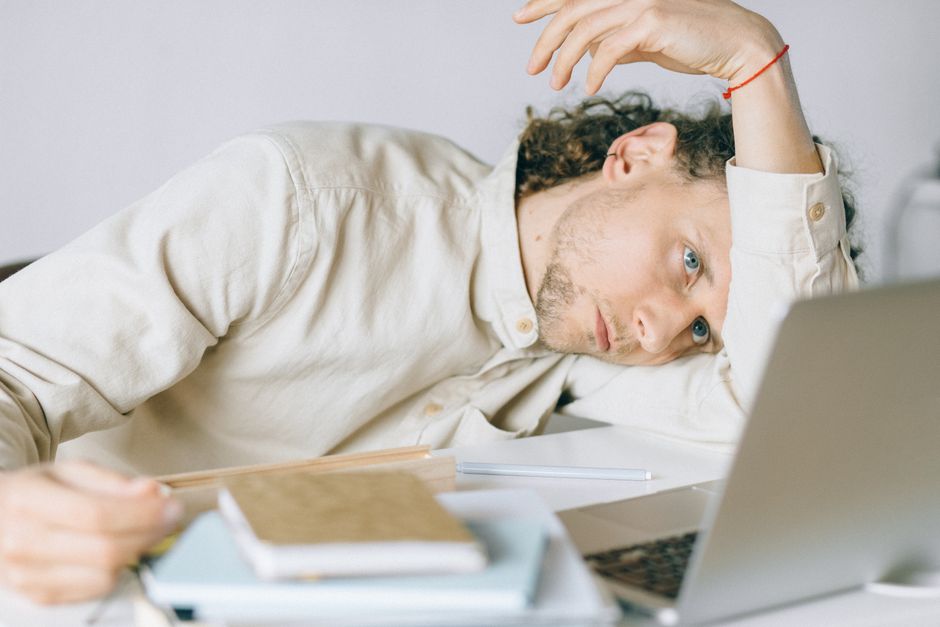
Yes, a lack of sleep can directly cause symptoms of depression and anxiety, and it can also trigger full episodes in people who are already vulnerable. The relationship is a two-way street: poor sleep worsens mental health, and poor mental health makes sleep harder. This creates a difficult cycle, but understanding the biological reason behind it is the first step to breaking it.
Can Lack Of Sleep Cause Depression And Anxiety
The short answer is yes. Sleep is not just a passive state of rest; it is an active biological process that resets the brain’s emotional centers.
When you do not get enough sleep, the amygdala—the part of the brain that processes threats and fear—becomes hyperactive. At the same time, the prefrontal cortex, which helps you reason and control emotional responses, becomes less active. This combination means your brain is more reactive to negative stimuli and less capable of calming itself down.
Studies have shown that even a single night of total sleep deprivation can increase anxiety levels by up to 30% in healthy adults. This is not about feeling tired or grumpy; it is a measurable change in how the brain processes emotion. Over time, chronic sleep loss can rewire these pathways, making depressive and anxious states more likely to persist.
What Happens To Your Brain When You Are Sleep Deprived?
The brain uses sleep to process emotional memories and clear out metabolic waste. When sleep is cut short, these processes are incomplete.
During REM sleep, the brain processes emotional experiences and helps you adapt to them. Without enough REM sleep, emotional memories are stored without the normal “resolution” that comes from processing. This can leave you feeling stuck on negative events or thoughts, which is a hallmark of both depression and anxiety.
Neurotransmitters are also affected. Sleep deprivation reduces the availability of serotonin and dopamine receptors in the brain. These are the same chemical systems targeted by many antidepressant and anti-anxiety medications. In essence, chronic sleep loss mimics a state of low neurotransmitter activity, which is a biological feature of mood disorders.
How Much Sleep Do You Actually Need?
Most adults need between 7 and 9 hours of sleep per night for optimal brain function. Getting less than 6 hours regularly is where the risk for mood disturbances increases significantly.
Sleep quality matters as much as quantity. You can spend 8 hours in bed and still not get enough restorative sleep if you wake frequently or have untreated sleep apnea. The key metric is whether you wake up feeling refreshed and can stay alert without caffeine during the day.
There is also a difference between short-term sleep loss and chronic sleep restriction. Missing one night of sleep is uncomfortable but recoverable. Sleeping 5 to 6 hours a night for weeks or months is when the emotional toll becomes clinically significant. Research consistently shows that chronic short sleep is a risk factor for developing both anxiety disorders and major depressive disorder.





The Vicious Cycle Between Sleep And Mental Health
Once poor sleep triggers anxiety or depression, the condition itself makes sleep harder to achieve. This creates a self-reinforcing loop that can be hard to escape without intervention.
Anxiety keeps your nervous system in a state of alert. High cortisol levels at night make it hard to fall asleep and hard to reach deep sleep stages. Depression often causes early morning waking or hypersomnia—sleeping too much without feeling rested. Both conditions disrupt the natural sleep architecture, which then worsens the underlying condition.
This cycle is why treating sleep problems often improves mood symptoms, even when the depression or anxiety came first. Research published in psychiatric journals has found that cognitive behavioral therapy for insomnia (CBT-I) can reduce depressive symptoms even in people who did not specifically seek treatment for depression. Fixing the sleep problem can break the cycle from both directions.
Can Sleep Deprivation Trigger A First Episode Of Depression?
In people with no prior history of depression, chronic sleep deprivation can be a trigger for a first episode. This is especially true for individuals with a family history of mood disorders.
Sleep deprivation acts as a stressor on the brain. For someone with a genetic predisposition to depression, this stressor can push the brain’s emotional regulation systems past their breaking point. The same applies to anxiety disorders, where sleep loss can turn manageable worry into persistent, intrusive anxious thoughts.
Shift workers and new parents are particularly vulnerable because their sleep schedules are often severely disrupted for extended periods. Studies on new mothers have found that sleep disruption in the first few months after childbirth is a significant predictor of postpartum depression. This does not mean everyone who loses sleep will develop depression, but it does mean that sustained sleep loss is a genuine risk factor, not just a symptom.
How Quickly Does Sleep Affect Your Mood?
The effects are faster than most people realize. One night of poor sleep can noticeably affect your mood the next day. Irritability, lower frustration tolerance, and increased emotional reactivity are common after just one night of insufficient sleep.
These short-term effects are reversible. A good night of sleep typically restores emotional regulation to baseline. The concern is when poor sleep becomes a pattern.
After about two weeks of sleeping less than 6 hours per night, mood changes become more persistent. People report less joy in activities they used to enjoy, more worry about the future, and difficulty concentrating. These symptoms overlap significantly with the diagnostic criteria for depression and generalized anxiety disorder. If the sleep problem continues for months, the mood changes can solidify into a clinical diagnosis.
What You Can Do To Protect Your Mental Health Through Sleep
Prioritizing sleep is one of the most effective preventive measures for mood disorders. It is not a replacement for professional treatment, but it is a foundation that makes everything else work better.
- Keep a consistent sleep schedule. Going to bed and waking up at the same time every day, including weekends, anchors your circadian rhythm. Irregular schedules are a common cause of poor sleep quality.
- Get morning light exposure. Bright light in the morning helps set your internal clock and improves sleep quality at night. Aim for at least 15 minutes of natural light within an hour of waking.
- Limit caffeine after noon. Caffeine has a half-life of about 5 to 6 hours. Having coffee at 3 PM means about half of it is still in your system at 9 PM, which can interfere with deep sleep.
- Avoid alcohol as a sleep aid. Alcohol helps you fall asleep but fragments the second half of the night. It reduces REM sleep, which is critical for emotional processing.
- Create a wind-down routine. The hour before bed should be calm. This is not about strict rules but about giving your brain a predictable signal that it is time to shift into sleep mode.
If you have tried these strategies for several weeks and still struggle with sleep, or if you notice your mood declining, talk to a healthcare provider. Persistent sleep problems and mood changes are both treatable conditions. Seeking help early is far more effective than waiting until the cycle is deeply established.
Frequently Asked Questions
How much sleep do you need to avoid depression and anxiety?
Most adults need 7 to 9 hours per night to maintain stable mood and emotional regulation. Sleeping less than 6 hours regularly is associated with a significantly higher risk of mood disturbances.
Can one night of no sleep cause anxiety?
Yes, a single night of total sleep deprivation can increase anxiety levels the next day. This effect is temporary and usually resolves after a full night of recovery sleep.
Does fixing your sleep improve depression and anxiety?
Yes, treating sleep problems often leads to measurable improvements in mood symptoms. Cognitive behavioral therapy for insomnia has been shown to reduce depressive and anxious symptoms even when the sleep problem was the only target of treatment.
How long does it take to recover from sleep deprivation?
Most people recover from one night of poor sleep after a single good night of rest. Chronic sleep deprivation may take several days or weeks of consistent, adequate sleep to fully resolve mood-related symptoms.
