
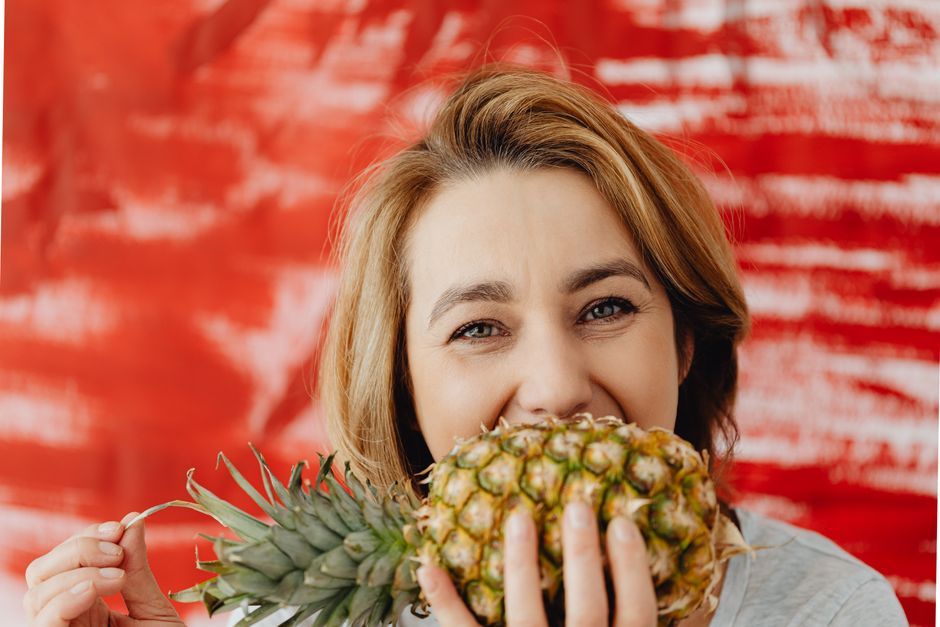
Yes, a pregnant woman can eat pineapple. It is safe in normal food amounts. The old warning about pineapple causing miscarriage is not supported by medical evidence. You would need to eat an unrealistically large amount of fresh pineapple for it to have any effect, and even then, no studies confirm harm.
Pineapple is a nutritious fruit. It provides vitamin C, manganese, and fiber. The confusion comes from an enzyme called bromelain. This enzyme is found in the stem and juice of the pineapple. Some people believe bromelain can soften the cervix and trigger labor. The science does not back this up when you eat the fruit normally.
Why Do People Think Pineapple Causes Miscarriage?
The myth comes from a real enzyme. Bromelain is a mixture of enzymes that break down proteins. In a lab setting, concentrated bromelain can affect tissue. Some early studies looked at bromelain in animals. This led to the idea that it might cause uterine contractions.
Here is the key point: food amounts are not the same as concentrated supplements. A serving of fresh pineapple contains a small amount of bromelain. Your digestive system breaks it down before it reaches your bloodstream in any meaningful way. The amount in a normal portion is not enough to affect your uterus.
Bromelain supplements are a different matter. They are concentrated. Pregnant women should not take bromelain supplements. No established safety data exists for them during pregnancy. This is a standard precaution for most herbal and enzyme supplements. The fruit itself is not the concern.
Can Eating Pineapple Trigger Labor?
No reliable evidence shows that eating pineapple induces labor. This is a popular folk remedy. Some women try it near their due date. There is no clinical trial data to support it.
The theory sounds logical. Bromelain might soften tissue. But the digestive process neutralizes most of it. The amount that reaches systemic circulation is negligible. Even if it did reach the cervix, there is no proof it would cause the complex process of labor to begin.
Some studies suggest that bromelain might have anti-inflammatory properties. This has led to speculation. But speculation is not evidence. No reputable medical organization recommends pineapple as a labor induction method.
How Much Pineapple Is Safe During Pregnancy?
Normal dietary amounts are safe. This means a serving or two of fresh pineapple. You can eat it as a snack, in fruit salad, or blended into a smoothie. The same applies to canned pineapple. Canned pineapple is often softer and contains less bromelain because of the heating process.
There is no established upper limit for pineapple during pregnancy. That said, moderation is always wise. Pineapple is acidic. Eating a large amount can cause heartburn or acid reflux. Pregnancy already increases the likelihood of heartburn because of hormonal changes and pressure from the growing uterus.
If you eat pineapple regularly and enjoy it, there is no reason to stop. The fruit provides real nutritional value. Vitamin C supports your immune system. Manganese is important for bone health and metabolism. Fiber helps with digestion, which is often slowed during pregnancy.




What About Pineapple Juice?
Pineapple juice is safe in normal amounts. The same logic applies. The bromelain content in juice is generally lower than in fresh fruit. The main concern with juice is sugar content. Fruit juice is concentrated sugar without the fiber of the whole fruit.
If you have gestational diabetes, you should be careful with all fruit juices. They can raise blood sugar quickly. Whole fruit is a better choice because the fiber slows sugar absorption. This is a general dietary principle, not specific to pineapple.
Some women drink pineapple juice in large quantities near their due date. This is not supported by evidence. It will not start labor. It may cause heartburn or digestive upset. If you are considering natural labor induction methods, talk to your healthcare provider first.
Are There Any Real Risks With Pineapple During Pregnancy?
The real risks are minor. Heartburn is the most common complaint. The acidity of pineapple can irritate the esophagus, especially in late pregnancy. If you notice this, eat smaller amounts or avoid it close to bedtime.
Allergic reactions are possible but rare. If you are allergic to pineapple, you already know. Symptoms include itching, swelling, or hives. If you experience these after eating pineapple, stop eating it and talk to your doctor.
One lesser-known issue is that fresh pineapple can cause a tingling or burning sensation on your lips and tongue. This is not an allergy. It is the enzyme bromelain mildly irritating the mucous membranes. It is harmless and goes away quickly. Canned pineapple does not cause this because the heat inactivates the enzyme.
There is no evidence that pineapple causes birth defects, preterm labor, or miscarriage. These claims circulate on social media. They are not based on clinical research. The American College of Obstetricians and Gynecologists does not list pineapple as a food to avoid during pregnancy.
What Foods Should Pregnant Women Actually Avoid?
Pineapple is not on the list. The foods to avoid are those with real, documented risks. These include raw or undercooked meat, unpasteurized dairy products, raw fish like sushi, and deli meats unless heated until steaming. High-mercury fish like shark, swordfish, and king mackerel should be avoided. Alcohol should be completely avoided during pregnancy.
These restrictions exist because of proven risks. Listeria, salmonella, and toxoplasmosis are real concerns. Mercury can affect fetal brain development. Alcohol is linked to fetal alcohol syndrome. These are evidence-based warnings.
Pineapple does not carry these risks. It is a safe, healthy fruit. The myth about pineapple and miscarriage is persistent but incorrect. It likely started because of the bromelain enzyme and a misunderstanding of how it works in the body.
Frequently Asked Questions
Can eating pineapple in the first trimester cause a miscarriage?
No. No evidence links normal amounts of pineapple to miscarriage in any trimester. The bromelain in the fruit is not concentrated enough to affect pregnancy.
How much pineapple can a pregnant woman eat per day?
There is no established limit, but one to two servings is reasonable. Eating excessive amounts may cause heartburn or digestive discomfort.
Is pineapple safe to eat in the third trimester?
Yes. Pineapple is safe throughout pregnancy, including the third trimester. It will not trigger labor or cause early delivery.
Can pineapple juice help induce labor naturally?
No clinical evidence confirms this. Pineapple juice is safe to drink in normal amounts, but it should not be relied on to start labor.
