
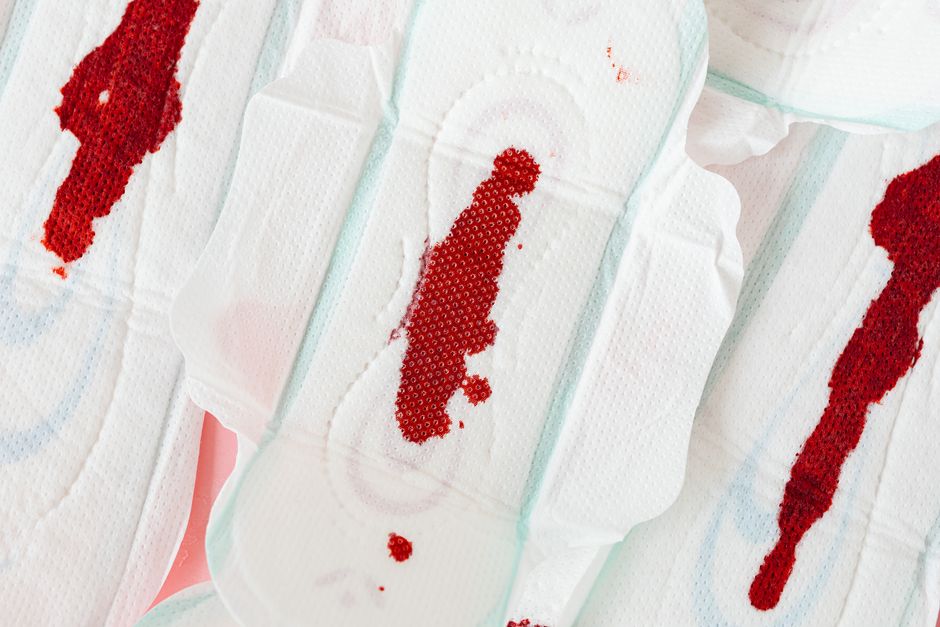
Emergency contraception is not supposed to cause bleeding. If you took a Plan B pill and then noticed spotting or an earlier-than-expected period, the bleeding is almost certainly not caused by the pill injuring you. It is your hormones reacting to a strong dose of progestin. That reaction is common and usually harmless.
Plan B and similar levonorgestrel pills work mainly by delaying ovulation. They do not cut the lining of the uterus and they do not cause internal bleeding. The bleeding people report after taking them is a side effect of hormone shifting, not damage.
That said, “usually harmless” is not the same as “never worth checking.” Some bleeding after emergency contraception needs a doctor’s attention. Below is how to tell the difference.
What Is Plan B and How Does It Work?
Plan B is a brand name for a single pill containing 1.5 mg of levonorgestrel. It is one of several emergency contraceptive options sold in the US. Others include ella (ulipristal acetate) and the copper IUD, which is the most effective emergency contraceptive available.
Levonorgestrel is a synthetic form of progesterone, the hormone your body makes after ovulation. The pill delivers a dose large enough to disrupt the hormonal signal that triggers the release of an egg. If ovulation has not started yet, the pill can delay it by several days. Sperm can live in the reproductive tract for up to about five days, so delaying ovulation long enough for sperm to die is how the pill prevents pregnancy.
What levonorgestrel does not do is end an existing pregnancy. It does not cause an abortion. It also does not damage the uterus, the ovaries, or the fallopian tubes. There is no physical mechanism by which this pill could cause internal bleeding.
Can A Plan B Make You Bleed?
Yes, but the bleeding is a hormonal side effect, not an injury. Bleeding and spotting are among the most commonly reported side effects of levonorgestrel emergency contraception.
Here is what happens. Your menstrual cycle depends on a precise rise and fall of estrogen and progesterone. A 1.5 mg dose of levonorgestrel is far stronger than the progesterone your body produces naturally in the second half of a cycle. That sudden surge can destabilize the uterine lining, which then sheds partially. The result is spotting or light bleeding that can show up within a few days of taking the pill.
Two other patterns are also common:
- Your next period arrives earlier than expected
- Your next period arrives later than expected
Both are normal after emergency contraception. The pill can shift the timing of your cycle by several days in either direction.
What you should not expect is heavy bleeding that soaks through a pad or tampon every hour, bleeding that lasts more than about a week, or bleeding accompanied by severe one-sided pelvic pain. Those are not typical side effects and need medical evaluation.
How Common Is Bleeding After Emergency Contraception?
Bleeding and spotting are listed among the most frequent side effects in the prescribing information for levonorgestrel emergency contraception. Other commonly reported effects include nausea, headache, fatigue, and breast tenderness.
Most of these effects are mild and resolve on their own within a few days. Nausea is the one that most often prompts people to ask about anti-nausea medication beforehand, which some clinicians recommend if you are prone to it.
One point that surprises many people: the bleeding pattern after Plan B says nothing reliable about whether the pill worked. Spotting does not mean it failed. No spotting does not mean it succeeded. The only way to know is to take a pregnancy test at the right time.



When Is Bleeding After Plan B a Real Concern?
Most bleeding after emergency contraception does not need medical attention. Some does. The distinction matters because a small number of serious conditions can cause bleeding that looks similar at first.
Seek medical care promptly if you have:
- Heavy bleeding that soaks through a pad or tampon every hour for several hours
- Bleeding that continues beyond about a week
- Severe or sharp pain, especially on one side of the lower belly
- Dizziness, fainting, or a racing heartbeat
- Shoulder tip pain, which can signal internal bleeding
- A positive pregnancy test combined with bleeding or cramping
The combination of a positive pregnancy test, pelvic pain, and bleeding deserves urgent attention. It can indicate an ectopic pregnancy, where a fertilized egg implants outside the uterus. Emergency contraception does not cause ectopic pregnancy, but it also does not prevent one that has already begun. Ectopic pregnancy is a medical emergency and cannot be managed at home.
If you are unsure whether your bleeding is normal, call your clinician or a nurse line. That call costs little and settles the question.
Does Plan B Cause Internal Bleeding or Injury?
No. Levonorgestrel emergency contraception does not cause internal bleeding, uterine injury, or damage to reproductive organs. This is sometimes confused with a different medication entirely.
Mifepristone and misoprostol are the drugs used for medication abortion. They work by ending an established pregnancy and cause cramping and heavy bleeding as part of that process. Plan B and ella are not abortion pills. They prevent pregnancy before it starts. The two categories of medication are often lumped together in online discussion, which is where much of the confusion about “bleeding from Plan B” comes from.
If you took a Plan B pill and are bleeding heavily, that is not a known effect of the drug. It should be evaluated rather than assumed to be a side effect.
What Else Can Cause Bleeding Around the Time You Take Plan B?
Bleeding that happens near the time you take emergency contraception often has nothing to do with the pill. Several common situations produce the same symptom.
- Ovulation spotting. Some people notice light bleeding or pink-tinged discharge mid-cycle.
- Implantation bleeding. If you were already pregnant when you took the pill, light spotting can occur as the embryo attaches to the uterine lining.
- Irregular cycles. Stress, thyroid problems, PCOS, and perimenopause all cause unpredictable bleeding.
- Hormonal birth control changes. Starting, stopping, or missing doses of another method can trigger spotting.
- Infection or other conditions. Cervical or uterine conditions can cause bleeding that has no relation to emergency contraception.
This is the part people most often get wrong. The pill is easy to blame because it is the most recent thing you did. But timing alone does not prove cause. If bleeding is unusual for you, the pill is only one possible explanation among several.
How Do You Know If Plan B Worked?
You cannot tell from bleeding alone. The only reliable way is a pregnancy test.
Take a home urine test about three weeks after the unprotected sex, or on the first day of your expected period if that comes sooner. Testing too early can give a false negative because it takes time for pregnancy hormone levels to rise enough to detect.
If your period is more than a week late, test. If the test is negative and your period still has not come, test again a few days later or contact your clinician. Levonorgestrel emergency contraception is not 100% effective. Its effectiveness is highest when taken as soon as possible after unprotected sex and drops the longer you wait.
One thing worth knowing: the copper IUD is the most effective form of emergency contraception and also works as ongoing birth control afterward. If you are looking for the strongest option, that is a conversation to have with a clinician quickly, since it must be placed within a set window after unprotected sex.
Frequently Asked Questions
Can Plan B make you bleed heavily?
No. Heavy bleeding is not a typical side effect of levonorgestrel emergency contraception. If you are soaking through a pad or tampon every hour, or bleeding lasts more than about a week, get medical care.
How long does bleeding after Plan B last?
Spotting or light bleeding usually clears within a few days. If it continues beyond about a week or gets heavier over time, contact a clinician.
Does bleeding after Plan B mean it didn’t work?
No. Bleeding or spotting does not tell you whether the pill worked. Take a pregnancy test about three weeks after unprotected sex, or sooner if your period is more than a week late.
Is Plan B the same as the abortion pill?
No. Plan B prevents pregnancy by delaying ovulation. Medication abortion drugs like mifepristone and misoprostol end an established pregnancy and are a different category of medication.
