
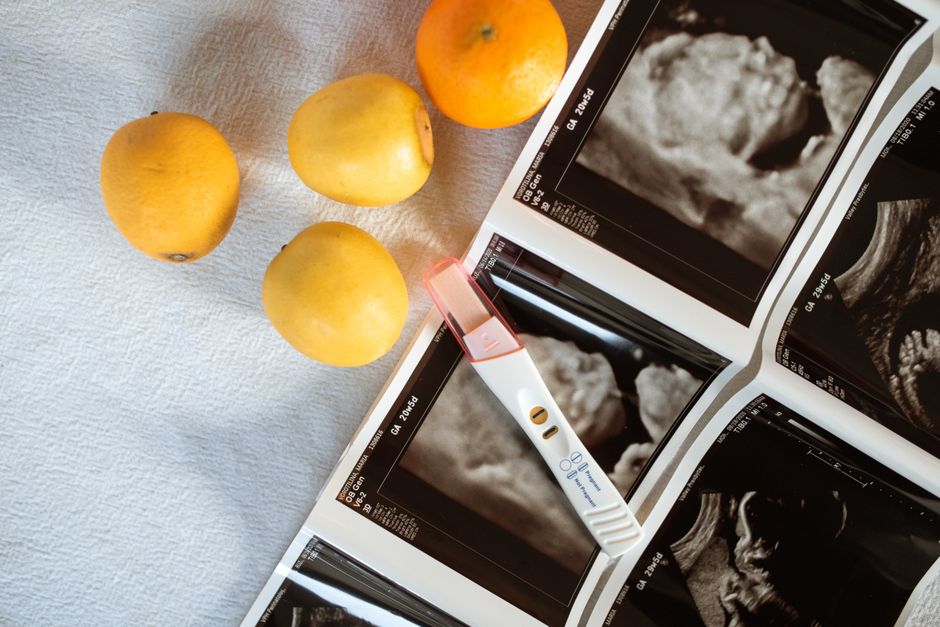
An ovulation predictor kit (OPK) is a home test that detects the surge in luteinizing hormone (LH) that happens 24 to 36 hours before your ovary releases an egg. It works by measuring LH levels in your urine, and a positive result tells you your most fertile window is about to begin. This gives you a clear, practical signal for timing intercourse if you are trying to conceive.
What Is an OPK in Fertility and How Does It Work?
An OPK is a simple urine test strip or digital reader. It looks for a sharp rise in luteinizing hormone. Your body produces LH in small amounts throughout your cycle. Right before ovulation, your pituitary gland releases a large burst of LH. This surge triggers the mature egg to be released from the follicle.
Most OPKs work by comparing the test line to a control line. When the test line is as dark or darker than the control line, the test is positive. This means the LH surge has started. Ovulation typically follows within the next day or two. Some digital OPKs give a simple smiley face or “peak” reading instead of lines.
Research published in the journal Fertility and Sterility found that OPKs detect the LH surge with over 90 percent accuracy when used correctly. They are a reliable tool for identifying your fertile window, which is the five days leading up to and including ovulation day.
How Is an OPK Different from Other Fertility Tracking Methods?
Many people confuse OPKs with basal body temperature (BBT) charting or fertility awareness apps. They serve different purposes. BBT charting confirms ovulation has already happened after the fact. Your temperature rises slightly after ovulation due to progesterone. This tells you your fertile window has closed.
OPKs predict ovulation before it happens. This is the key difference. You get a warning signal while you still have time to act. Apps that track your cycle use algorithms based on past data. They can estimate when you might ovulate, but they cannot confirm the surge is happening right now. OPKs give you real-time biological data.
There is also the difference between OPKs and fertility monitors. Fertility monitors often track multiple hormones, including estrogen and LH. Some also track the rise in estrogen that happens before the LH surge. This gives a longer fertile window warning. Standard OPKs only detect the LH surge itself.
When Should You Start Using an OPK?
Timing matters. Start testing too early and you waste tests. Start too late and you miss the surge. The general rule is to begin testing a few days before you expect to ovulate. For a typical 28-day cycle with ovulation around day 14, start testing on day 10 or 11.
If your cycle length varies, adjust your start day. Subtract 17 from your average cycle length. For a 32-day cycle, start on day 15. For a 26-day cycle, start on day 9. This formula gives you a safe buffer to catch the surge.
The American College of Obstetricians and Gynecologists recommends testing once per day initially. As you get closer to your expected surge, testing twice per day can help you catch a short surge. Some women have a surge that lasts less than 12 hours. Testing in the late morning or early afternoon is often best, as LH surges commonly start during the night and peak in the morning.




What Do the Results Actually Mean?
A positive OPK means the LH surge is happening. It does not guarantee ovulation will occur. Some women have an LH surge without releasing an egg. This is called luteinized unruptured follicle syndrome (LUFS). It affects roughly 10 percent of women with regular cycles. OPKs cannot detect this condition.
A negative OPK means the LH surge has not been detected yet. It does not mean you are not ovulating. You may have tested too early or too late in the day. You may also have a naturally lower LH surge that some standard OPKs miss. Women over 40 and those with polycystic ovary syndrome (PCOS) sometimes have chronically elevated LH levels, which can cause false positive results.
Research from the National Institutes of Health shows that women with PCOS may get multiple positive OPK readings throughout their cycle. Their LH levels stay high rather than surging sharply. In these cases, OPKs are less reliable and other methods like ultrasound monitoring may be more helpful.
Common Mistakes People Make with OPKs
- Testing with first morning urine. LH surges often begin overnight, so first morning urine may not yet show the rise. Mid-morning or early afternoon testing is more reliable.
- Drinking too much fluid before testing. Excess water dilutes urine and can lower LH concentration, causing a false negative. Limit fluid intake for two hours before testing.
- Misreading the test line. A faint test line does not count as positive. The test line must be as dark or darker than the control line. Some women mistake any visible line for a positive result.
- Using OPKs as birth control. OPKs are designed to help conceive, not prevent pregnancy. Sperm can survive up to five days in the reproductive tract. A positive OPK gives you a window, not a single day.
- Stopping after one positive. Some women have multiple LH surges in a cycle, though this is uncommon. Continue testing until you confirm ovulation through BBT or other methods if you want full certainty.
How Accurate Are OPKs Compared to Medical Testing?
A 2018 study in the journal Human Reproduction compared OPK results to ultrasound-confirmed ovulation. The study found that OPKs correctly predicted ovulation within the next 48 hours about 80 percent of the time. This is good but not perfect. Ultrasound is the gold standard for confirming ovulation, but it requires multiple clinic visits.
Blood tests for LH are more precise than urine tests. However, urine tests are practical for home use. The accuracy of an OPK depends heavily on following instructions correctly. One study found that about 20 percent of women misinterpret their OPK results. The most common error is reading the test too early or too late.
The table below compares common fertility tracking methods:
| Method | What It Detects | Predicts or Confirms | Accuracy |
|---|---|---|---|
| OPK | LH surge in urine | Predicts ovulation | ~80-90% |
| BBT charting | Temperature rise after ovulation | Confirms ovulation | ~70-80% |
| Fertility monitor | Estrogen and LH | Predicts and confirms | ~90% |
| Ultrasound | Follicle growth and rupture | Confirms ovulation | ~95-100% |
| Blood test | LH and progesterone levels | Confirms ovulation | ~98% |
Can Medications or Health Conditions Affect OPK Results?
Yes. Certain fertility drugs contain LH or hCG, which can cause false positive OPK results. Clomiphene citrate (Clomid) does not directly affect LH, but it can change your cycle timing. Letrozole (Femara) also does not directly affect LH readings. However, injectable medications like hCG (Ovidrel, Pregnyl) will cause a false positive because the test detects hCG as well as LH.
Pregnancy also causes a positive OPK. hCG and LH share a similar chemical structure. Standard OPK tests cannot tell the difference. If you get a positive OPK after your expected ovulation date, take a pregnancy test to confirm the cause.
Polycystic ovary syndrome (PCOS) is the most common condition that interferes with OPK accuracy. Women with PCOS often have persistently high LH levels. This means they may get positive OPK readings throughout their cycle, not just during the surge. If you have PCOS, digital OPKs that require a specific pattern of rising LH may work better than standard line tests.
As of 2026, there is no clinical evidence that thyroid conditions or prolactin disorders directly affect OPK readings. However, these conditions can disrupt ovulation itself. If you are not getting clear OPK results, it is worth discussing underlying health issues with your doctor rather than assuming the test is wrong.
What to Do After You Get a Positive OPK
A positive OPK means you should have intercourse within the next 24 to 48 hours for the best chance of conception. Sperm can survive in the reproductive tract for up to five days, so having sex before the positive result also helps. The fertile window includes the days leading up to ovulation.
Do not stop testing after one positive. Some women have a second LH surge in the same cycle, though this is rare. Continue testing until you see the test line fade back to negative. This confirms the surge has passed. Combine OPK results with BBT charting to confirm ovulation actually occurred. Your temperature should rise and stay elevated for at least three days after ovulation.
If you get positive OPK results for several months without becoming pregnant, it does not necessarily mean something is wrong. The CDC reports that about 85 percent of couples conceive within one year of trying. If you are over 35, consider seeing a fertility specialist after six months of unsuccessful attempts. Under 35, one year is the typical threshold.
Frequently Asked Questions
Can I get a positive OPK and not ovulate?
Yes. Some women have an LH surge without releasing an egg, a condition called luteinized unruptured follicle syndrome. OPKs cannot distinguish between a surge that leads to ovulation and one that does not.
How many days after a positive OPK do you ovulate?
Ovulation usually happens 24 to 36 hours after the LH surge begins. This means you will likely ovulate the day after your positive OPK or the following day.
Can OPKs detect pregnancy?
OPKs can show a positive result if you are pregnant because hCG and LH have similar chemical structures. However, OPKs are not designed for pregnancy detection and are less sensitive than pregnancy tests.
What time of day is best to use an OPK?
Late morning or early afternoon is generally best. LH surges often start during the night, so first morning urine may miss the beginning of the surge. Avoid testing after drinking large amounts of fluid.
