

Getting a flu shot when you have an autoimmune condition comes with real questions. The short answer is yes, a flu shot can trigger an autoimmune flare in some people, but the risk is much lower than many people believe. The reason has to do with how your immune system responds to the vaccine versus how it responds to the actual flu virus. Research shows that for most people with autoimmune diseases, the benefits of flu protection far outweigh the small chance of a flare.
What Does Research on Can A Flu Shot Cause An Autoimmune Flare Show?
The evidence is clearer than many online discussions suggest. Studies published in journals like Lupus and Vaccine have looked at thousands of people with autoimmune conditions who received flu shots. The overall finding is consistent: flares after vaccination are uncommon. One large study found that only about 1-2% of people with lupus or rheumatoid arthritis experienced a flare within 30 days of getting the flu shot.
Most flares that do happen are mild. They typically involve a temporary increase in joint pain, fatigue, or skin rashes. Severe flares requiring hospitalization or major medication changes are extremely rare. The CDC and the American College of Rheumatology both recommend flu shots for most people with autoimmune diseases, noting that the risk of severe illness from the flu is much higher than the risk of a flare.
It is important to understand that correlation is not causation. Many people with autoimmune conditions have flares for reasons unrelated to vaccines. Stress, infections, weather changes, and missed medications are common triggers. If a flare happens a week after a flu shot, it may have happened anyway.
How Does the Flu Shot Interact with the Immune System?
Your immune system is designed to attack foreign invaders. An autoimmune condition means your immune system sometimes attacks your own tissues by mistake. The flu shot works by exposing your immune system to a harmless piece of the flu virus, which triggers a protective response without causing the actual illness.
In some people, this immune activation can temporarily rev up the whole system. For someone with an autoimmune condition, that temporary activation might briefly worsen symptoms. Think of it like poking a sleeping bear — most of the time it stays asleep, but occasionally it stirs. The key point is that this response is usually short-lived and mild.
The flu shot does not contain live virus. It uses inactivated virus or a single protein from the virus. This means it cannot give you the flu. It also cannot directly cause your immune system to attack your organs the way a real flu infection can. The real flu virus, by contrast, is a major trigger for autoimmune flares and can cause serious complications.
Which Autoimmune Conditions Have Higher Risks?
Not all autoimmune conditions carry the same risk of flare after vaccination. Research shows that people with lupus and rheumatoid arthritis have the most data available. For both conditions, the risk of flare after flu shot is low but not zero. People with multiple sclerosis also generally tolerate flu shots well, though some studies suggest a very small increase in relapse risk.
People with Guillain-Barré syndrome have a different situation. If you have a history of GBS, you should talk to your doctor before getting any vaccine. The flu vaccine has been linked to a very small increased risk of GBS recurrence, though the overall risk remains extremely low.
People with autoimmune thyroid conditions like Hashimoto’s or Graves’ disease generally have no increased risk of flare from flu shots. The same is true for most people with psoriasis, psoriatic arthritis, and inflammatory bowel disease like Crohn’s or ulcerative colitis.
The table below summarizes what the evidence shows for common autoimmune conditions:
| Condition | Flare Risk After Flu Shot | Flu Infection Risk |
|---|---|---|
| Lupus | Low (1-2%) | High – can cause serious flares |
| Rheumatoid Arthritis | Low (1-2%) | High – can worsen joint symptoms |
| Multiple Sclerosis | Very low | Moderate – may trigger relapses |
| Guillain-Barré Syndrome | Very small increased risk | High – can trigger GBS recurrence |
| Hashimoto’s Thyroiditis | Extremely low | Low to moderate |




What Symptoms Should You Watch for After a Flu Shot?
Most symptoms after a flu shot are not flares. They are normal immune responses. Soreness at the injection site, mild fatigue, low-grade fever, and muscle aches can happen in anyone. These usually last 24 to 48 hours. They mean your immune system is working, not that your autoimmune disease is getting worse.
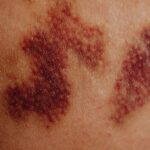
A true flare looks different. It means your specific autoimmune symptoms get noticeably worse. For someone with lupus, that could mean new joint swelling, a butterfly rash, or extreme fatigue. For someone with rheumatoid arthritis, it means more swollen and painful joints than usual. For someone with multiple sclerosis, it could mean new neurological symptoms that last more than 24 hours.
If your symptoms last more than 72 hours or get worse instead of better, call your doctor. Keep a simple log of your symptoms after the shot. Write down what you feel, when it started, and how long it lasted. This helps your doctor tell the difference between a normal vaccine response and a true flare.
How Can You Reduce the Risk of a Flare When Getting a Flu Shot?
There are practical steps you can take. First, get the shot when your disease is well-controlled. If you are in the middle of a flare, wait until it settles. Your doctor can help you time it right. The best window is usually when you have been stable for at least a month.
Second, talk to your rheumatologist or specialist about your current medications. Some immunosuppressant drugs may reduce how well the vaccine works. Others are fine. Your doctor can tell you if you need to adjust timing. Never stop or change your medications without talking to your doctor first.
Third, choose the standard flu shot. The nasal spray vaccine contains live weakened virus. For people with autoimmune conditions, the injected killed virus vaccine is the safer choice. The high-dose version for people over 65 is also an injected killed vaccine and is generally safe.
Here is a quick checklist of what to do before your flu shot:
- Check with your rheumatologist or specialist that it is safe for you
- Make sure your disease is stable and not actively flaring
- Ask about any medication adjustments needed
- Choose the injected flu shot, not the nasal spray
- Schedule it at a time when you can rest afterward if needed
- Keep a symptom diary for a few days after the shot
What About the Flu Itself? Is It Worse Than a Possible Flare?
This is the most important comparison. The flu is a serious illness for anyone. For someone with an autoimmune condition, it is even more dangerous. The flu can trigger severe flares that last weeks or months. It can lead to pneumonia, hospitalization, and even death. People on immunosuppressant medications are at higher risk for complications because their immune system is already weakened.
Research published in the Journal of Rheumatology found that people with rheumatoid arthritis who got the flu had a 40% higher risk of hospitalization compared to the general population. Those who got the flu shot had a much lower risk. The flu itself is a proven trigger for autoimmune flares. The vaccine is not.
Some people worry that the vaccine will make their condition worse over time. The evidence does not support this. Long-term studies have not found any link between annual flu shots and worsening of autoimmune disease. What does worsen autoimmune disease over time is repeated infections, including the flu.
Frequently Asked Questions
Can a flu shot trigger lupus flare?
Yes, but it is uncommon. Studies show about 1-2% of people with lupus experience a mild flare after a flu shot. The risk is much lower than the risk of a severe flare from getting the flu.
How long after a flu shot can an autoimmune flare happen?
Most flares that do occur happen within 1 to 3 days after the shot. They are usually mild and resolve within a week. Delayed flares beyond two weeks are very rare and likely have other causes.
Should people with autoimmune diseases avoid the flu shot?
No. The CDC and major rheumatology organizations recommend flu shots for most people with autoimmune conditions. The benefits of flu prevention strongly outweigh the small risk of a flare. Always check with your own doctor first.
Does the flu shot cause autoimmune disease?
No. There is no evidence that the flu shot causes autoimmune disease. It can temporarily activate the immune system, which might briefly worsen existing symptoms in some people, but it does not create new autoimmune conditions.
