
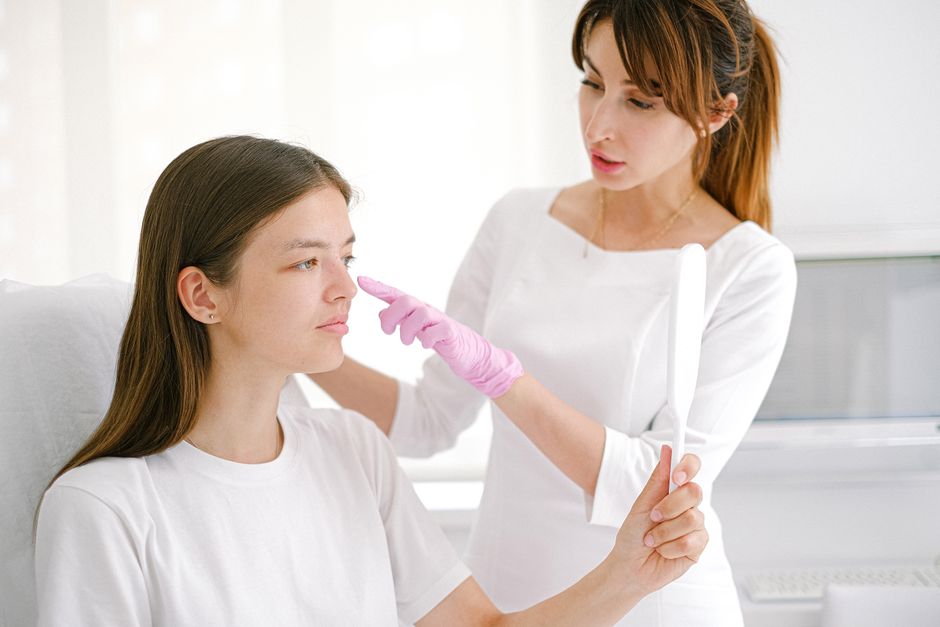
Yes, a dermatologist can absolutely help with hair loss. In fact, they are the medical specialists best trained to diagnose why your hair is thinning and recommend treatments that actually work. While primary care doctors can run basic blood work, a dermatologist brings specialized training in scalp and hair follicle health. They can spot conditions like female pattern baldness, telogen effluvium, and alopecia areata early, often before the average person notices significant change. The key is that hair loss has many different causes, and what works for one person may not work for another. A dermatologist’s job is to find the real reason behind your shedding and match it to the right solution.
What Causes Hair Loss in the First Place?
Hair loss is rarely one simple thing. Most people assume it is genetics or stress, and those are common. But there are several other causes that a dermatologist can identify. The most common type is androgenetic alopecia, also called male or female pattern baldness. This is genetic and linked to how your hair follicles react to a hormone called dihydrotestosterone (DHT). It is gradual, predictable, and affects most people eventually.
Another frequent cause is telogen effluvium. This happens after a physical or emotional shock like surgery, illness, rapid weight loss, or extreme stress. Hair sheds in large amounts about three months after the event. The good news is that this type usually reverses on its own once the trigger is removed.
Other causes include alopecia areata, an autoimmune condition where the body attacks its own hair follicles. This can cause patchy hair loss. Thyroid disorders, iron deficiency, and hormonal shifts from menopause or pregnancy also play a role. Some medications, including certain antidepressants and blood pressure drugs, list hair thinning as a side effect. A dermatologist can tell the difference just by looking at your scalp with a special magnifying tool called a dermatoscope. They do not have to guess.
When Should You See a Dermatologist for Hair Loss?
You do not need to wait until you have a bald spot. In fact, earlier is better. If you notice more hair than usual in your shower drain or on your pillow for more than a few weeks, that is a reasonable time to schedule an appointment. Sudden or patchy hair loss should be seen sooner rather than later.
There are also specific signs that suggest you need a specialist, not just a general doctor. If your scalp is red, flaky, painful, or itchy, that points to an inflammatory condition like seborrheic dermatitis or a fungal infection. A dermatologist can treat those directly. If you are losing hair in a pattern that matches your family history, they can confirm it and start treatment before more thinning occurs.
Current research suggests that the earlier you start treatment for genetic hair loss, the better your chances of keeping the hair you have. Waiting until the follicle is completely dead means it cannot grow back. A dermatologist can also check for underlying health issues that might be causing the hair loss. They can order blood tests for ferritin, vitamin D, thyroid function, and hormone levels. These are not always part of a standard physical exam.
What Does a Dermatologist Do to Diagnose Hair Loss?
The first visit is usually straightforward. The dermatologist will ask about your medical history, medications, recent stress, and family history of hair loss. They will examine your scalp closely with a dermatoscope. This is a handheld device with a light and magnifying lens. It lets them see the hair follicles and the width of individual hairs.
They may also perform a gentle pull test. They take a small group of hairs and pull gently to see how many come out. This helps them understand if the hair is in a shedding phase. In some cases, they might do a scalp biopsy. This means taking a tiny piece of skin from your scalp to look at under a microscope. It is the most accurate way to diagnose certain conditions like scarring alopecia, which can cause permanent hair loss if not treated.
Blood work is common. They will check your iron levels, vitamin D, thyroid stimulating hormone, and sometimes testosterone and DHT levels. These tests help rule out nutritional deficiencies or hormonal imbalances. The entire diagnostic process usually takes one or two visits. Once they have the results, they can explain exactly what is happening and what options are realistic.





Do Dermatologist Treatments for Hair Loss Actually Work?
Research shows that dermatologist-prescribed treatments work well for many people, but results vary by condition. For androgenetic alopecia, the strongest evidence supports two medications: minoxidil and finasteride. Minoxidil is applied to the scalp daily. It stimulates hair follicles and increases blood flow. Studies have found it helps regrow hair and slow further loss in about 60 to 80 percent of people who use it consistently.
Finasteride is a pill that blocks the conversion of testosterone to DHT. It is FDA-approved for men. Some studies suggest it works in about 80 percent of men over two years. Women of childbearing age are generally advised against it because of risks during pregnancy. A lower-dose version called dutasteride is sometimes used off-label.
For alopecia areata, dermatologists often use corticosteroid injections directly into the bald patches. This suppresses the immune attack on the follicles. Many patients see regrowth within a few months. For telogen effluvium, the treatment is usually identifying and removing the trigger. No medication is needed in most cases.
Low-level laser therapy is another option. Some studies show it can stimulate hair growth, though the evidence is not as strong as for medication. Platelet-rich plasma injections are also used. This involves drawing your blood, spinning it to concentrate the platelets, and injecting it into your scalp. Some small studies show modest improvement, but larger trials are still needed. As of 2026, the American Academy of Dermatology considers PRP a reasonable option but not a guaranteed treatment.
What Hair Loss Treatments Should You Avoid?
There is a lot of bad information online about hair loss. Many products and devices make bold claims with little evidence. Shampoos that promise to regrow hair usually do not work. Most contain ingredients like caffeine or biotin that have not been proven to reverse hair loss in clinical trials. They may make hair look thicker temporarily, but they do not change the underlying cause.
Supplements are another area of hype. Biotin is popular, but research shows it only helps people who are actually deficient. Most people get enough biotin from food. Taking more does not grow hair. Similarly, collagen supplements are widely claimed to help hair, but strong evidence is limited. Some people report improvement, but it is not consistent across studies.
Hair transplant surgery is effective for genetic hair loss, but only when performed by a qualified surgeon. It is not a quick fix. It requires healthy donor hair and realistic expectations. Do not fall for products that promise to cure baldness in weeks. Real treatments take months to show results, and they work to slow loss and regrow some hair, not to reverse years of thinning overnight.
How Much Does a Dermatologist Visit Cost for Hair Loss?
The cost varies depending on your insurance and location. A typical office visit for a dermatologist in the United States ranges from 100 to 250 dollars without insurance. With insurance, a copay is usually between 20 and 50 dollars. Blood work adds another 50 to 200 dollars depending on what is ordered.
Treatments like minoxidil and finasteride are relatively affordable. Generic minoxidil costs about 10 to 20 dollars per month. Finasteride generic is about 15 to 30 dollars per month. Corticosteroid injections for alopecia areata may cost 100 to 300 dollars per session and are often needed every four to six weeks. PRP injections are more expensive, typically 500 to 1500 dollars per session, and multiple sessions are usually recommended.
Insurance coverage depends on your plan. Some plans cover hair loss treatment if it is linked to a medical condition like alopecia areata or thyroid disease. They often do not cover treatment for genetic pattern baldness because it is considered cosmetic. It is worth checking with your insurance before your visit.
| Treatment | Typical Cost (Without Insurance) | Evidence Level |
|---|---|---|
| Minoxidil (topical) | $10-20/month | Strong |
| Finasteride (oral) | $15-30/month | Strong (men) |
| Corticosteroid injections | $100-300/session | Strong |
| PRP injections | $500-1500/session | Moderate |
| Low-level laser therapy | $200-500 (device) | Moderate |
| Hair transplant surgery | $4000-15000 | Strong for genetic loss |
Frequently Asked Questions About a dermatologist help with hair loss
Can a dermatologist help with hair loss if it is genetic?
Yes. For genetic pattern baldness, dermatologists prescribe minoxidil and finasteride, which are proven to slow loss and regrow hair in many people. They can also recommend low-level laser therapy or PRP as additional options.
How soon do you see results from a dermatologist for hair loss?
Most treatments take three to six months before you notice less shedding or new growth. Patience is important because hair grows slowly and follicles need time to respond.
Do dermatologists prescribe anything for hair loss besides minoxidil?
Yes. They can prescribe finasteride for men, spironolactone for women, corticosteroid injections for alopecia areata, and oral minoxidil in some cases. They also recommend supplements if blood work shows a deficiency.
Is a dermatologist or trichologist better for hair loss?
A dermatologist is a medical doctor with training in skin and hair diseases. A trichologist is not a medical doctor in the United States. For accurate diagnosis and prescription treatments, a dermatologist is the better choice.
