
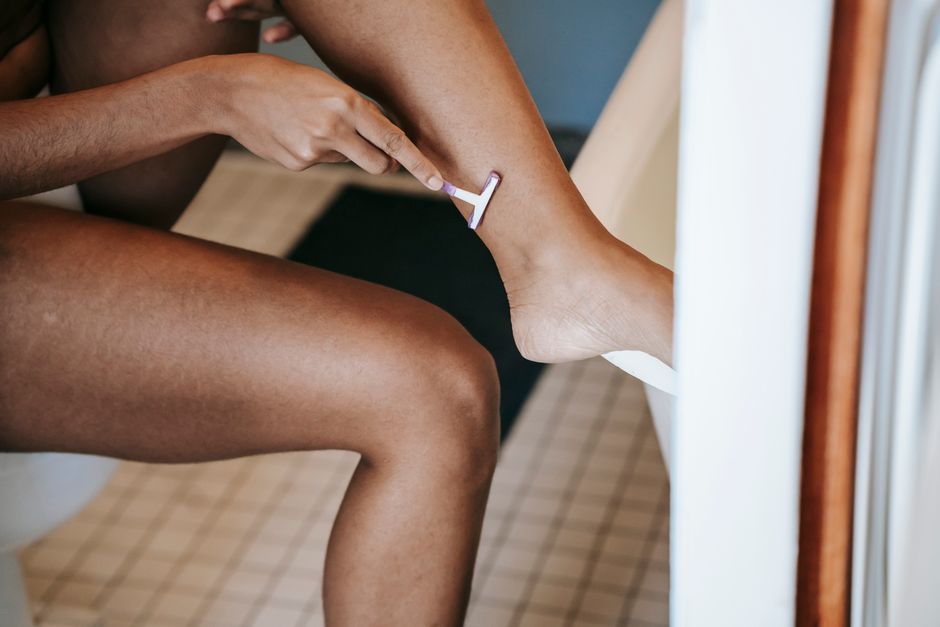
Razor burn is irritation of the skin that shows up as redness, stinging, and small bumps right after shaving. To remove it, stop shaving the area, rinse with cool water, and apply a fragrance-free moisturizer or a product containing colloidal oatmeal or aloe. To stop it coming back, shave with the grain, use a sharp blade, and prep your skin with warm water and shaving gel first.
Most razor burn clears on its own within a few days. The trick is not treating it — it is changing how you shave so your skin stops getting angry in the first place.
What Actually Causes Razor Burn?
Razor burn is a form of irritant contact dermatitis. That means the skin reacts to physical friction and to the chemicals in shaving products, not to an infection or an allergy in most cases.
When a blade drags across skin, it removes the top layer of dead cells along with the hair. That scraping motion creates tiny breaks in the skin barrier. The barrier is your skin’s outer defense. When it gets disrupted, moisture escapes and irritants get in. The result is redness, burning, and sometimes small red bumps.
Several things make this worse:
- A dull blade that pulls and tugs instead of cutting cleanly
- Shaving dry skin with no lubrication
- Pressing too hard or going over the same spot repeatedly
- Shaving against the direction of hair growth
- Fragrance, alcohol, or menthol in shaving creams and aftershaves
There is a common mix-up worth clearing up. Razor burn and razor bumps are not the same thing. Razor burn is irritation of the skin surface. Razor bumps — sometimes called pseudofolliculitis — happen when a cut hair curls back and grows into the skin, causing inflammation around the follicle. They look similar at a glance but have different causes and different fixes. Razor bumps are more common in people with tightly curled hair.
How Do You Treat Razor Burn Fast?
The fastest way to calm razor burn is to stop irritating the skin and let the barrier start repairing. Most cases settle within a few days with basic care.
Start by giving the area a break from shaving. Every pass of a blade reopens the micro-damage you are trying to heal. If you must shave again soon, avoid the irritated area.
Rinse with cool water to reduce heat and inflammation. Pat dry with a clean towel — do not rub. Then apply a plain, fragrance-free moisturizer while the skin is still slightly damp. This helps hold water in the barrier.
Products with colloidal oatmeal or aloe vera can soothe the skin. Colloidal oatmeal is recognized by regulators as a skin protectant, and it has a reasonable evidence base for calming irritation. Aloe has been used for skin soothing for a long time, though the clinical evidence for it specifically in razor burn is limited.
A few things to avoid while the skin heals:
- Alcohol-based aftershaves, which sting and dry the skin further
- Exfoliating scrubs, which add more friction
- Scented lotions and perfumes
- Hot water, which increases redness
If the area is very uncomfortable, a cool compress can help. Some people find an over-the-counter hydrocortisone cream useful for a short period, but this is a case where the evidence is thin for mild razor burn, and it should not be used long-term on the face. If irritation is severe, spreading, or not improving after several days, see a doctor. What looks like razor burn can sometimes be a bacterial or fungal infection that needs different treatment.
How To Remove Razor Burn And Stop It Coming Back
Prevention is where the real fix lives. Changing your shaving routine does more than any cream applied afterward.
Prep matters more than most people think. Shave after a warm shower, or hold a warm, wet towel against the area for a couple of minutes. Warm water makes hair softer and easier to cut. Soft hair means less tugging, and less tugging means less irritation.
Use a real shaving product. Shaving gel, cream, or foam creates a layer between the blade and your skin. That layer reduces friction. Do not shave dry, and do not rely on bar soap alone if your skin is sensitive — soap does not cushion the blade the way a shaving product does.
Use a sharp blade. A dull blade is one of the most common causes of razor burn because it pulls hair instead of slicing it. There is no universal rule for how often to replace a blade — it depends on how often you shave and how coarse your hair is. A good sign it is time: the blade tugs, or you find yourself going over the same spot again and again.
Shave with the grain, not against it. This is the single biggest change most people can make. Shaving against the grain gives a closer result but lifts the hair and cuts it below the skin surface, which increases irritation and the risk of ingrown hairs. With the grain, the blade follows the natural direction of growth and causes less trauma.
Use light, short strokes. Let the blade do the work. Pressing harder does not give a closer shave — it just scrapes the skin. Rinse the blade between strokes so it does not clog.
Finish with cool water and a fragrance-free moisturizer. Skip the alcohol-based aftershave.





Does Shaving Direction Really Matter?
Yes, and it is one of the most reliable ways to reduce razor burn. The direction you move the blade changes how much stress the skin takes.
Hair grows out of the follicle at an angle. When you shave with the grain, the blade meets the hair at the same angle it naturally leaves the skin. The cut is clean and the skin is not pulled.
When you shave against the grain, the blade hits the hair from the opposite side. It cuts closer, which feels smoother, but it also lifts the hair and can slice it below the skin surface. As the hair grows back, it can curl into the skin instead of rising out of it. That is how ingrown hairs and razor bumps form.
If you want a closer shave without the irritation, a second pass with the grain — after re-applying shaving gel — is gentler than one pass against the grain. It will not be quite as close, but your skin will usually be calmer.
Which Products Help and Which Make It Worse?
What you put on your skin before and after shaving matters as much as the blade. The general rule: fewer ingredients, no fragrance, no alcohol.
Helpful products tend to share a few traits. They are fragrance-free, they contain soothing or barrier-supporting ingredients, and they do not sting when applied.
- Colloidal oatmeal — a recognized skin protectant with evidence for calming irritation
- Aloe vera — soothing, though strong clinical evidence for razor burn specifically is limited
- Glycerin and ceramides — help support the skin barrier
- Fragrance-free moisturizers — reduce the chance of a reaction on top of the irritation
Products that tend to make razor burn worse:
- Alcohol-based aftershaves, which sting and strip moisture
- Menthol and cooling agents, which can feel nice but add irritation for some people
- Heavily fragranced lotions and colognes
- Any product that burns when you apply it — that is a signal, not a sign it is working
One caution on marketing. Many products claim to “repair” or “heal” razor burn. Some ingredients have decent evidence for soothing irritated skin generally. Very few have been tested specifically for razor burn in controlled trials. That does not mean they do not help — it means the specific claims are often stronger than the specific evidence.
When Should You See a Doctor?
Most razor burn is harmless and clears in a few days. Some signs mean it is something else and worth a medical look.
See a doctor if the area is spreading, getting worse instead of better, or not improving after about a week. Also seek care if you notice pus, increasing pain, warmth, swelling, or a fever — these can point to a bacterial infection rather than simple irritation.
Persistent bumps that look like acne but will not clear may be pseudofolliculitis, which sometimes needs medical treatment. A doctor can tell the difference between irritation, infection, and ingrown hairs, and each has a different fix.
People with certain skin conditions, such as eczema or psoriasis, may find shaving more irritating in general and may need to adjust their routine or avoid shaving certain areas.
Frequently Asked Questions
How long does razor burn last?
Most razor burn clears within a few days if you stop shaving the area and keep the skin moisturized. If it lasts more than about a week or gets worse, see a doctor.
Does ice help razor burn?
A cool compress can reduce redness and stinging by calming inflammation. Wrap ice in a cloth rather than putting it directly on the skin, and keep it brief.
Can I shave over razor burn?
It is best not to. Shaving over irritated skin reopens the damage and slows healing, so give the area a few days off if you can.
Is razor burn the same as razor bumps?
No. Razor burn is surface skin irritation, while razor bumps form when a cut hair curls back and grows into the skin. They look similar but have different causes and treatments.
