
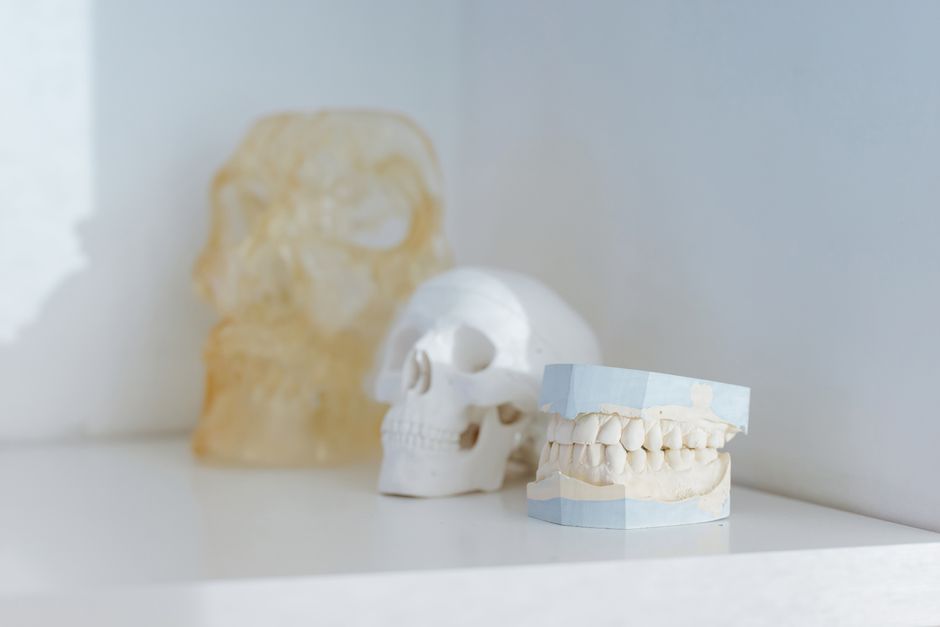
Teeth and bones share a lot in common. Both are hard, both are white, and both contain calcium. But the short answer to the question is no — your teeth are not bones. They are different tissues with different structures, different purposes, and different abilities to heal. Understanding the difference matters for how you care for both.
What Are Teeth Made Of?
Teeth are living tissues, but they are not bone. Each tooth has several layers with distinct jobs.
The outermost layer is enamel. It is the hardest substance in the human body. Enamel is mostly made of minerals, primarily hydroxyapatite — a crystalline form of calcium and phosphate. It contains no blood vessels and no living cells. That is why a cavity cannot heal itself. Once enamel is damaged, the body cannot regrow it.
Under the enamel is dentin. Dentin is a living tissue. It is harder than bone but softer than enamel. It contains tiny tubes that connect to the inner pulp. Dentin can partially repair itself by laying down new layers, but it cannot regenerate the way skin or bone can after a fracture.
At the center of the tooth is the pulp. The pulp contains nerves, blood vessels, and connective tissue. This is the part of the tooth that feels pain. When decay reaches the pulp, it causes a toothache and usually requires a root canal.
What Are Bones Made Of?
Bones are also made of collagen and minerals, including calcium phosphate. But the structure is completely different from teeth.
Bone is a dynamic living tissue. It constantly undergoes a process called remodeling. Specialized cells called osteoblasts build new bone, and other cells called osteoclasts break down old bone. This cycle continues through your entire life. It allows bones to repair fractures, strengthen under stress, and release calcium into the bloodstream when needed.
Bones have a rich blood supply. They contain bone marrow, where blood cells are produced. Teeth have no marrow. Teeth are anchored to bone, but they are not made of it.
Are Teeth Considered Bones in Medicine?
In medical and dental science, teeth are classified separately from bones. They are considered part of the digestive system because they begin the mechanical breakdown of food. Bones are part of the skeletal system.
This distinction matters in several practical ways. For example, a broken bone will heal on its own with proper alignment and time. A chipped or cracked tooth will not. A dentist must repair the tooth with fillings, crowns, or other materials.
Another difference shows up in how the body uses calcium. When your blood calcium levels drop, your body can break down bone to release calcium. It does not do this with teeth. Teeth are not a calcium reserve. This is why severe calcium deficiency can weaken bones but does not directly cause tooth loss in the same way.



Why Do Teeth and Bones Feel So Similar?
It is easy to see why people confuse the two. Both are hard, mineralized tissues that contain calcium. Both appear white on X-rays. Both can break under force.
But the mineral composition differs. Enamel is about 96% mineral. Bone is only about 65% mineral, with the rest being collagen and other organic material. This makes enamel harder but also more brittle. Bones have some flexibility because of their collagen content. Teeth do not.
This is also why teeth survive for centuries in archaeological finds while bones degrade. Enamel is simply more resistant to breakdown.
Do Teeth Heal Like Bones?
No. This is one of the most important practical differences.
When you break a bone, the body responds with inflammation, then forms a callus, then remodels the bone back to its original shape. The process takes weeks to months, but it happens automatically if the bone is stabilized.
Teeth cannot do this. A cavity is not a simple injury — it is a bacterial infection that dissolves enamel and dentin. The body cannot rebuild that lost mineral. The only way to treat a cavity is to remove the decay and fill the space with a dental material.
A cracked tooth is similar. Small cracks may be monitored, but larger cracks often require a crown. If the crack extends into the pulp, a root canal may be needed. In severe cases, the tooth may need to be removed entirely.
No clinical evidence currently supports any method that can regrow enamel or regenerate a damaged tooth in humans. Some research is exploring stem cell therapies and enamel-producing proteins, but these are experimental and not available in clinical practice.
Can You Strengthen Teeth Like You Strengthen Bones?
Bones respond to physical stress. Weight-bearing exercise stimulates bone remodeling and increases bone density. This is well established in medical research.
Teeth do not respond to stress the same way. Clenching or grinding your teeth does not make them stronger. In fact, it damages them. Bruxism — the medical term for grinding — can wear down enamel, cause cracks, and lead to tooth sensitivity.
What does strengthen teeth is fluoride. Fluoride promotes remineralization of early enamel damage. It does not regrow lost enamel, but it can help repair the earliest stages of decay before a cavity forms. This is why fluoride in toothpaste and community water supplies is supported by major public health organizations.
Diet also matters. Calcium and vitamin D are essential for bone health. For teeth, limiting sugar and acidic drinks is more directly protective. Sugar feeds the bacteria that cause cavities. Acid dissolves enamel directly.
What Are the Main Differences Between Teeth and Bones?
Here is a clear summary of how teeth and bones compare:
- Healing: Bones heal on their own. Teeth do not.
- Blood supply: Bones have a rich blood supply. Teeth only have blood vessels in the pulp.
- Cells: Bones constantly remodel with living cells. Enamel has no living cells.
- Calcium storage: Bones release calcium when needed. Teeth do not.
- Marriage to the body: Bones connect to other bones via joints. Teeth are anchored to bone via ligaments but are not fused to it.
- Hardness: Enamel is harder than bone but more brittle.
These differences are not academic. They determine how injuries and diseases are treated. A broken arm and a broken tooth require completely different care.
Are Your Teeth Bones? The Bottom Line
Teeth are not bones. They are unique mineralized organs with their own structure, function, and limitations.
Bones are living, self-repairing tissues that support your body and store minerals. Teeth are hard, non-regenerating structures designed for chewing. They share some building blocks, but they are fundamentally different.
This distinction matters for your health. If you fracture a bone, you can expect it to heal with time and proper care. If you damage a tooth, you need professional dental treatment. And while you can build bone density with exercise and nutrition, you cannot build enamel the same way. Protecting your teeth through good hygiene, fluoride, and regular dental visits is the only evidence-based approach to keeping them for life.
Frequently Asked Questions
Are teeth considered bones?
No, teeth are not bones. They are classified as part of the digestive system and have a different structure, blood supply, and healing capacity.
Why don’t teeth heal like bones?
Teeth do not heal because the outer layer, enamel, contains no living cells and no blood supply. Once enamel is lost, the body cannot regenerate it.
Can teeth become stronger with exercise?
No, teeth do not strengthen with physical stress the way bones do. Grinding or clenching damages teeth rather than strengthening them.
What is the hardest substance in the human body?
Tooth enamel is the hardest substance in the human body. It is more mineralized than bone, which makes it harder but also more brittle.
