
Yellow teeth are not a sign of bad hygiene for most people. They are usually the result of what you eat, drink, and how you age. The enamel on your teeth naturally thins over time, revealing the yellowish dentin underneath. Avoiding yellow teeth comes down to managing three things: what stains your enamel, what wears it away, and how you clean your teeth. The most effective prevention is simple — rinse your mouth after staining foods, drink water throughout the day, and brush with a non-abrasive toothpaste twice daily.
What Actually Causes Yellow Teeth?
Teeth turn yellow for two main reasons. The first is staining on the surface of the enamel. The second is the enamel itself getting thinner, which lets the natural yellow dentin show through. Both happen to everyone over time, but some people experience it faster than others.
Surface stains come from things you consume daily. Coffee, tea, red wine, and dark sodas contain chromogens — compounds that stick to enamel. Tobacco is one of the worst offenders. The tar and nicotine in cigarettes leave stubborn yellow-brown stains that penetrate the enamel over time.
The second cause is harder to control. Enamel wears down as you age. The CDC reports that nearly 1 in 5 adults over 65 have untreated tooth decay, but enamel thinning happens to everyone regardless of decay. Acidic foods and drinks speed this up. Citrus fruits, sports drinks, and even some sparkling waters can soften enamel if you sip them all day.
Some medications cause yellowing too. Tetracycline antibiotics taken during childhood can stain permanent teeth. Antihistamines and blood pressure medications sometimes contribute to discoloration. This is not common, but it happens.
Does How To Avoid Yellow Teeth Causes And Prevention Actually Work?
Yes, prevention works better than treatment for most people. Once enamel is gone, it does not grow back. So stopping the damage before it happens is the only real strategy.
Research published in the Journal of the American Dental Association found that rinsing with water immediately after drinking coffee or tea reduced staining by about 30 percent compared to not rinsing. That is a simple habit that costs nothing and takes five seconds.
Brushing technique matters more than most people realize. A 2019 study in the British Dental Journal showed that brushing within 30 minutes of consuming acidic foods actually increased enamel wear. The acid softens the enamel temporarily, and brushing right then scrubs it away. Waiting at least 30 minutes gives your saliva time to neutralize the acid.
Prevention also includes what you put in your mouth beyond food. Using a straw for dark drinks reduces contact with front teeth. Chewing sugar-free gum after meals increases saliva flow, which helps wash away staining compounds. These small changes add up over months and years.
What Does Research on Teeth Whitening Methods Show?
There is a lot of bad information online about whitening. Activated charcoal is one of the most popular myths. As of 2026, there is no clinical evidence that charcoal toothpaste whitens teeth safely. In fact, research in the Journal of the American Dental Association found that charcoal toothpaste was more abrasive than standard toothpaste and did not improve whiteness compared to regular fluoride toothpaste.
Baking soda is different. Studies have found that toothpaste containing baking soda removes surface stains more effectively than toothpaste without it. The American Dental Association has given its seal of approval to several baking soda toothpastes. It works because it is mildly abrasive — abrasive enough to lift stains, not abrasive enough to damage enamel when used as directed.
Hydrogen peroxide is the active ingredient in most professional whitening products. A 2018 review in the Cochrane Database of Systematic Reviews found that hydrogen peroxide strips between 6 and 10 percent concentration are effective for lightening teeth. Lower concentrations available in over-the-counter products take longer but still work over several weeks.
Oil pulling is widely claimed to whiten teeth, though strong evidence is limited. Some small studies suggest coconut oil pulling reduces plaque and bacteria. But no well-designed study has shown it whitens teeth more than regular brushing. Some people report whiter teeth after oil pulling, likely because they are brushing more consistently as part of the routine.
| Method | Evidence Level | Safety Concern |
|---|---|---|
| Hydrogen peroxide strips (6-10%) | Strong — Cochrane review | Gum irritation if overused |
| Baking soda toothpaste | Moderate — ADA approved | Safe with normal use |
| Activated charcoal | None — no clinical evidence | Too abrasive for enamel |
| Oil pulling | Weak — small studies only | Safe but unproven for whitening |
| Lemon juice + baking soda | None — harmful | Acid erodes enamel permanently |



What Foods and Drinks Should You Limit?
Dark-colored liquids are the biggest stain culprits. Coffee, black tea, red wine, and cola all contain tannins. Tannins help staining compounds stick to enamel. You do not need to quit these entirely. But cutting back or drinking them in one sitting rather than sipping throughout the day makes a real difference.
Acidic foods are a different problem. They do not stain teeth directly, but they soften enamel and make staining easier. Citrus fruits, tomatoes, pickles, and vinegar-based dressings fall into this category. A 2017 study in Caries Research found that enamel erosion was significantly higher in people who consumed acidic foods more than four times per week.
Brightly colored berries are tricky. Blueberries, blackberries, and pomegranates contain deep pigments that stain enamel. But they are also healthy. The solution is not to avoid them — just rinse your mouth with water after eating them. Swishing water for 10 seconds removes most of the pigment before it sets.
Sauces like soy sauce, curry, and tomato sauce are often overlooked. They are dark and acidic at the same time. If you eat these regularly, consider brushing 30 minutes after the meal or at least rinsing thoroughly.
What Everyday Habits Prevent Yellow Teeth?
Drink water constantly throughout the day. Water washes away food particles and dilutes acids in your mouth. It also keeps your saliva flowing, which is your body’s natural defense against staining and decay. People who drink water after every meal have less staining over time than those who do not.
Brush correctly. Use a soft-bristled toothbrush. Hard bristles wear down enamel faster. Brush for two full minutes, twice a day. Focus on the gumline where plaque builds up. Do not scrub aggressively — gentle circular motions are more effective and safer.
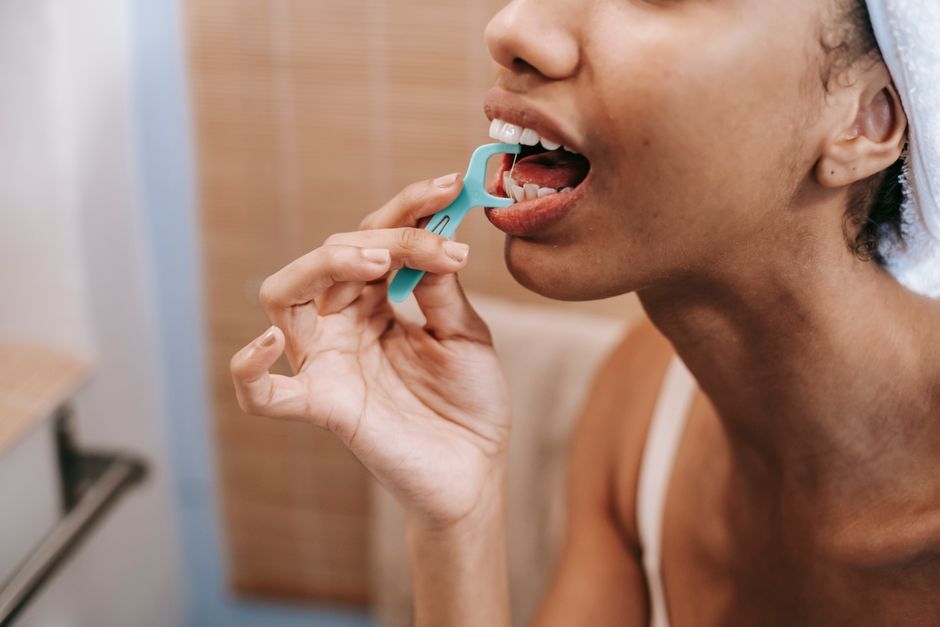
Floss daily. This is not about whitening directly. But plaque between teeth hardens into tartar, which is yellow or brown. Once tartar forms, only a dentist can remove it. Flossing prevents tartar from building up between teeth and along the gumline.
Visit your dentist every six months. Professional cleanings remove surface stains that brushing cannot reach. The American Dental Association recommends regular cleanings not just for cavity prevention but for keeping teeth looking their best. A cleaning alone can make teeth appear noticeably whiter.
Consider using a straw for staining drinks. It sounds small, but it works. A straw directs liquid past the front teeth, reducing contact time. This is especially useful for iced coffee, iced tea, and soda.
What to Avoid in Whitening Products
Avoid anything that claims instant results. No product whitens teeth dramatically in one use without damaging enamel. Professional whitening at a dentist’s office uses high-concentration peroxide under controlled conditions. Over-the-counter products that promise the same results in one session are either ineffective or unsafe.
Avoid abrasive home remedies. Lemon juice, apple cider vinegar, and crushed strawberries are popular DIY whitening treatments. They are acidic and will erode enamel over time. The Journal of Dentistry published research showing that applying lemon juice directly to teeth caused measurable enamel loss after just one week of daily use.
Avoid whitening toothpaste with large particles. Some whitening toothpastes use silica or calcium carbonate as abrasives. These are fine in small amounts. But some brands use particles that are too large or too hard, which scratch the enamel surface. Look for toothpastes with the ADA Seal of Acceptance — these have been tested for safety.
Avoid overusing whitening strips. Using them more often than the package directions does not make teeth whiter faster. It irritates gums and can make teeth sensitive. If you experience sharp pain or gum irritation, stop use and wait a week before trying again at a lower frequency.
Frequently Asked Questions
Can yellow teeth become white again naturally?
Surface stains can be removed with good hygiene and professional cleaning, but natural whiteness depends on how thin your enamel has become. Once enamel is worn away, teeth cannot become white again without cosmetic treatment.
Does baking soda whiten teeth safely?
Baking soda toothpaste is safe and effective for removing surface stains when used as directed. Straight baking soda mixed with water is more abrasive and should only be used a few times per week.
How long does it take to see results from whitening toothpaste?
Most whitening toothpastes show visible results after two to six weeks of consistent use. They remove surface stains gradually and will not change the natural color of your enamel.
Is it better to whiten teeth at home or at the dentist?
Dentist-supervised whitening is faster and more effective for deep stains. Home products work well for surface stains and maintenance. For best results, start with a professional evaluation to determine the cause of yellowing.
