

Vivid dreams are not a recognized early sign of pregnancy. No major medical organization lists dream changes among the symptoms used to identify pregnancy, and no study has shown that unusual dreams reliably predict it. Pregnancy does change sleep, and sleep changes can affect dreaming — but that chain of events is indirect, inconsistent, and far too vague to serve as a pregnancy test.
If you are trying to work out whether you might be pregnant, the reliable signals are missed periods, breast tenderness, nausea, and fatigue. A home urine test can detect pregnancy around the time of a missed period. Dreams belong in a different category: real experiences, but not diagnostic ones.
Why Do People Associate Vivid Dreams With Early Pregnancy?
The association comes from lived experience, not from clinical criteria. Many pregnant women do report more intense or memorable dreams, especially later in pregnancy, and those stories circulate widely. When enough people share the same story, it starts to feel like a rule.
There is a plausible biological thread here. Progesterone rises substantially in early pregnancy and stays elevated. Progesterone has a mild sedating effect, and it can make sleep feel different — deeper at times, more fragmented at others. Sleep disruption of any kind tends to make dreams more vivid and easier to recall. Waking up in the middle of a dream, which happens more often when sleep is broken, is one of the strongest drivers of dream recall.
That is a reasonable explanation for why some pregnant women notice their dreams more. It is not evidence that dreams predict pregnancy. The same sleep changes happen for dozens of reasons that have nothing to do with conception.
What Does Research Actually Say About Dreams in Pregnancy?
Research on dreams in pregnancy exists, but it is small and mostly descriptive. Studies have generally relied on self-reported dream diaries and questionnaires from modest numbers of volunteers. Some have found that pregnant women recall more dreams and rate them as more intense than non-pregnant women. Others have found little difference.
The evidence is mixed, and the studies are not designed to answer the question people actually care about: can a change in dreaming tell you whether you have conceived? To answer that, you would need to follow large groups of women trying to conceive, track dreams before and after a positive test, and compare pregnancy dream patterns against non-pregnancy dream patterns in the same women. That research has not been done.
One clarification worth making: dream content in pregnancy is sometimes described as more anxious or more focused on the baby. Some studies report this, but recall bias is a real problem here. Women who know they are pregnant may pay more attention to their dreams and interpret them through that lens. That does not make the dreams unreal. It does mean the reporting is not neutral.
What Actually Causes Vivid Dreams?
Vivid dreams track with sleep quality and sleep timing more than with any single hormone. Most vivid dreaming happens during REM sleep, the stage when brain activity looks similar to waking. Anything that increases REM sleep, interrupts sleep, or wakes you during REM can make dreams feel more intense and easier to remember.
Common triggers include:
- Fragmented sleep from any cause — stress, a new baby, a partner who snores, a full bladder
- Starting or stopping certain medications, including some antidepressants
- Alcohol, which suppresses REM early in the night and can produce a rebound of vivid dreams later
- Illness with fever
- Significant life stress or emotional upheaval
- Changes in sleep schedule, such as shift work or travel
Pregnancy fits into this list only through the sleep disruption it causes. Early pregnancy brings fatigue, frequent urination at night, and nausea that can wake you. Later pregnancy brings physical discomfort and more night waking. Any of these can change how dreams feel without any direct effect on dream content.




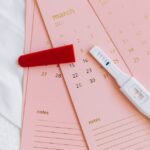
What Are the Actual Early Signs of Pregnancy?
The early signs of pregnancy are well documented, and none of them involve dreaming. A missed period is the most reliable early indicator for people with regular cycles. Other common symptoms include breast tenderness and swelling, nausea, fatigue, and needing to urinate more often.
These symptoms are also not proof. Breast tenderness and fatigue happen before many periods, and nausea has countless causes. The only way to confirm pregnancy is a test. Home urine tests detect human chorionic gonadotropin, the hormone the placenta produces after implantation. These tests are generally reliable when used around the time of a missed period, and a blood test at a clinician’s office can detect pregnancy earlier.
If your period is late and you are unsure, testing is the direct answer. Waiting to see whether your dreams change will not tell you anything useful.
Can Hormones Affect Dreams?
Hormones can influence sleep, and sleep influences dreams. That is the honest summary. The direct link between hormones and dream content is much less clear.
Estrogen and progesterone both affect sleep architecture in ways researchers are still working out. Progesterone’s sedating effect is fairly well established. Estrogen’s effects on sleep are more complicated and vary across the cycle and across individuals. What has not been established is whether these hormonal shifts change the content or vividness of dreams in a predictable way.
Menopause is a useful comparison. Hot flashes and night sweats disrupt sleep, and many women report more vivid or strange dreams during that transition. The dreams are real. The mechanism is probably sleep disruption rather than the hormones acting directly on dream generation. The same reasoning applies to pregnancy.
When Should You Take a Pregnancy Test?
Take a pregnancy test if your period is late, especially if it is more than a few days late and your cycles are usually regular. First-morning urine is often recommended because it is more concentrated, which can make an early result easier to detect.
A negative result does not always mean you are not pregnant. Testing too early, before enough hormone has built up, can produce a false negative. If your period stays absent or your symptoms continue, testing again a few days later or seeing a clinician for a blood test is reasonable.
Contact a clinician promptly if you have severe abdominal pain, heavy bleeding, or dizziness along with a missed period. These can be signs of an ectopic pregnancy, which is a medical emergency. Do not wait to see whether symptoms resolve on their own.
Should You Track Dreams as a Symptom?
No. Tracking dreams will not give you useful information about pregnancy, and it can create false confidence in either direction. Dreams are too variable from person to person and from night to night to function as a signal.
What is worth tracking, if you are trying to conceive or avoid pregnancy, is your menstrual cycle. Cycle length, ovulation timing, and missed periods carry real information. Sleep quality is worth paying attention to for its own sake — poor sleep affects mood, energy, and daytime function regardless of pregnancy status.
If vivid dreams are disturbing your sleep or causing distress, that is worth mentioning to a clinician on its own terms. Recurring nightmares and severe sleep disruption are treatable, and they do not need to be explained by pregnancy to deserve attention.
Frequently Asked Questions
Can vivid dreams be an early sign of pregnancy?
No. Vivid dreams are not a recognized early sign of pregnancy, and no clinical guidelines list them as a symptom. Pregnancy can disrupt sleep, and disrupted sleep can make dreams more vivid, but this is an indirect effect and not a reliable indicator.
Why do pregnant women report more vivid dreams?
Pregnancy often fragments sleep through fatigue, night urination, nausea, and physical discomfort, and broken sleep makes dreams easier to remember. Some studies report more intense dream recall in pregnancy, but the research is small and the evidence is mixed.
How soon can I take a pregnancy test?
Home urine tests are generally reliable around the time of a missed period, and some are designed for testing a few days earlier. Testing too early can produce a false negative because pregnancy hormone levels may still be low.
Can hormones cause strange dreams?
Hormones affect sleep, and sleep affects dreaming, but a direct link between hormonal shifts and dream content has not been established. Sleep disruption is the more likely explanation for changes in dream vividness at any life stage.
