
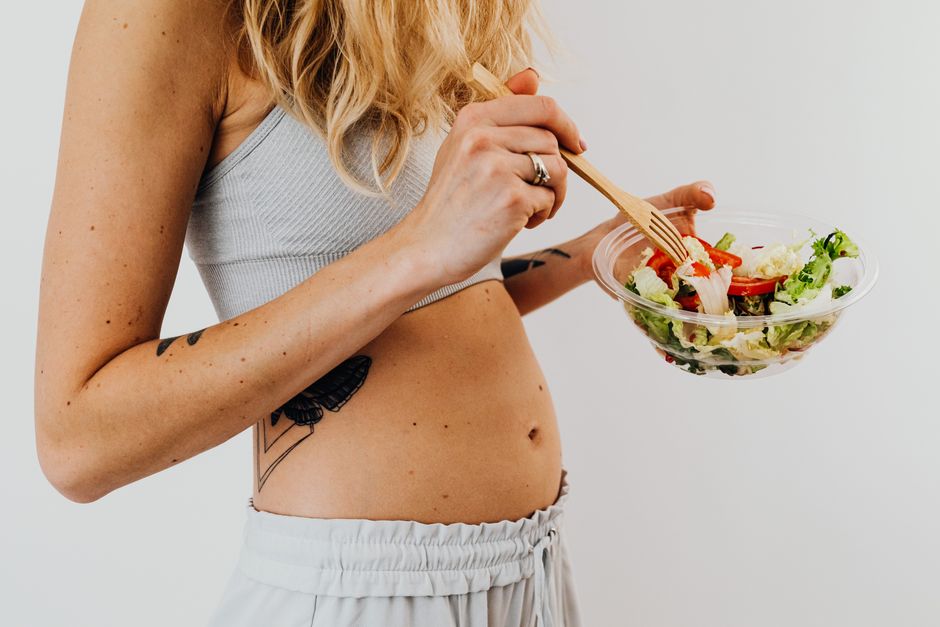
Many pregnant women hear conflicting advice about food safety, and the worry is understandable. The direct answer is that very few foods are proven to cause a miscarriage. The main risks come from foodborne infections like listeriosis and toxoplasmosis, not from the foods themselves. Avoiding certain high-risk foods reduces your exposure to these infections, which is why doctors give pregnant patients a specific list of foods to skip.
What Foods Can Cause A Miscarriage In Pregnancy?
The foods linked to miscarriage risk are those most likely to carry harmful bacteria or parasites. Raw or undercooked meat, unpasteurized dairy products, raw eggs, and certain deli meats top the list. These foods can harbor Listeria monocytogenes or Toxoplasma gondii, two pathogens known to cross the placenta and cause serious pregnancy complications.
Listeria infection, called listeriosis, is particularly dangerous during pregnancy. Pregnant women are about 10 times more likely to get listeriosis than the general population. The infection can lead to miscarriage, stillbirth, or preterm labor. Toxoplasmosis, caused by a parasite found in cat feces and undercooked meat, poses similar risks when first contracted during pregnancy.
It is important to understand that eating these foods does not guarantee miscarriage. Most healthy pregnancies are resilient. The concern is statistical — these foods raise the risk of infection, and infection raises the risk of pregnancy loss. Avoiding them is a simple way to lower that risk.
Which Deli Meats and Prepared Foods Carry Listeria Risk?
Deli meats and prepared foods are a major concern because Listeria can grow at refrigerator temperatures. Most foodborne bacteria are stopped by cold, but Listeria is not. This makes refrigerated ready-to-eat foods uniquely risky.
Foods in this category include:
- Lunch meats, cold cuts, and deli turkey or ham
- Hot dogs and sausages (unless heated to steaming hot)
- Refrigerated pâtés or meat spreads
- Refrigerated smoked seafood like lox or nova-style salmon
- Pre-made deli salads such as chicken salad, ham salad, or seafood salad
Heating these foods until they are steaming hot kills Listeria. If you want a deli sandwich, heat the meat until it is visibly steaming before eating. This single step eliminates most of the risk.
Soft cheeses made from unpasteurized milk also carry Listeria risk. This includes brie, camembert, feta, blue cheese, and queso fresco — unless the label clearly states they are made with pasteurized milk. Pasteurization kills the bacteria, making the cheese safe.
Why Are Raw or Undercooked Meat and Eggs a Concern?
Raw or undercooked meat can carry Toxoplasma gondii, the parasite that causes toxoplasmosis. This is one reason pregnancy guidelines recommend cooking all meat to safe internal temperatures. Ground meat should reach 160°F, and whole cuts like steak should reach 145°F with a three-minute rest time.
The Toxoplasma parasite is killed by proper cooking. Freezing meat at certain temperatures also kills the parasite, but cooking is the reliable method. Raw cured meats like prosciutto and salami are not cooked, so they carry a theoretical risk. Some doctors advise avoiding them during pregnancy, though the evidence is less clear than for fresh raw meat.
Raw eggs carry Salmonella, which causes food poisoning but is not directly linked to miscarriage. The concern with Salmonella during pregnancy is severe dehydration and fever, which can stress the pregnancy. Foods with raw eggs include homemade Caesar dressing, raw cookie dough, and hollandaise sauce. Commercial products made with pasteurized eggs are safe.
Wash all fruits and vegetables thoroughly. Unwashed produce can carry Toxoplasma from soil contamination. This is a simple but often overlooked step in pregnancy food safety.




What About Fish and Seafood?
Fish presents a different kind of risk. Some fish contain high levels of mercury, which can harm fetal brain development. Mercury does not typically cause miscarriage, but it can cause developmental problems, so the risk is still taken seriously.
High-mercury fish to avoid during pregnancy include shark, swordfish, king mackerel, and tilefish. Tuna is a middle-ground choice. Canned light tuna is generally considered safe in moderation, while albacore tuna has higher mercury levels and should be limited.
Raw fish, like sushi and sashimi, carries the same parasite and bacteria risks as raw meat. The FDA advises pregnant women to avoid raw fish entirely. Fully cooked fish is safe and actually recommended because of its omega-3 fatty acids, which support fetal brain development.
Refrigerated smoked seafood — like lox on a bagel — is on the avoid list because of Listeria risk. Canned or shelf-stable smoked seafood is safe because the canning process kills bacteria.
Does Caffeine Increase Miscarriage Risk?
Caffeine is not a food, but it is a common concern for pregnant women. The evidence on caffeine and miscarriage has been mixed over the years. Some studies have found an association between high caffeine intake and miscarriage, while others have not.
What most researchers agree on: very high caffeine intake — above 300 milligrams per day — may increase risk. Moderate intake, around one cup of coffee daily, has not been consistently linked to miscarriage. Current guidance generally recommends limiting caffeine to 200 milligrams per day during pregnancy, which is about one 12-ounce cup of coffee.
The American College of Obstetricians and Gynecologists has stated that moderate caffeine consumption — less than 200 milligrams daily — does not appear to be a major factor in miscarriage or preterm birth. This is not a green light for unlimited caffeine, but it is reassurance that a daily cup of coffee is unlikely to cause problems.
What About Herbal Teas and Supplements?
Herbal products are often assumed to be safe because they are natural. This assumption is not correct during pregnancy. Some herbs have uterine-stimulating effects and have been traditionally used to induce labor or menstruation.
Herbs to avoid during pregnancy include:
- Blue cohosh
- Black cohosh
- Pennyroyal
- Sage in large amounts
- Parsley in medicinal amounts (culinary amounts are fine)
These herbs are not regulated as drugs, and no clinical trials have established safe doses during pregnancy. The evidence for their risks comes from traditional use and case reports, not rigorous studies. This is a case where the absence of proof of harm does not mean proof of safety.
The bigger issue is that dietary supplements are not tested for safety in pregnancy. Most supplements have no pregnancy-specific safety data. If you are considering any herbal product while pregnant, discuss it with your obstetrician first. This includes products marketed specifically for pregnancy — marketing claims are not evidence.
How Can You Lower Your Risk?
The practical steps are straightforward. Cook all meat and eggs thoroughly. Avoid unpasteurized dairy. Heat deli meats until steaming. Wash produce well. Skip raw fish and high-mercury fish. Limit caffeine to under 200 milligrams daily.
Follow food safety basics: refrigerate leftovers promptly, keep raw meat separate from other foods, and wash your hands after handling raw meat. These habits reduce exposure to all foodborne pathogens, not just the ones linked to miscarriage.
Foodborne illness during pregnancy can be serious even when it does not cause miscarriage. High fever and severe dehydration from any infection can stress the pregnancy. Treating food safety as a general pregnancy priority is more useful than obsessing over a specific food list.
If you think you have eaten a high-risk food, do not panic. The actual infection rate from these foods is low. Watch for symptoms like fever, muscle aches, or gastrointestinal distress. If you develop a fever during pregnancy, contact your doctor promptly — this is true regardless of what you ate.
Frequently Asked Questions
Can eating pineapple cause a miscarriage?
No clinical evidence confirms that eating pineapple causes miscarriage. The enzyme bromelain in pineapple has been studied for other purposes, but the amount in fresh fruit is far too low to affect pregnancy.
Is it safe to eat deli meat during pregnancy?
Deli meat is safe if it is heated until steaming hot, which kills Listeria bacteria. Cold deli meat carries a small but real Listeria risk, so most guidelines recommend heating it before eating.
Can spicy food cause a miscarriage?
No evidence links spicy food to miscarriage. Spicy food may cause heartburn or indigestion during pregnancy, but it does not affect the pregnancy itself.
How much caffeine is safe during pregnancy?
Most guidelines recommend limiting caffeine to 200 milligrams per day during pregnancy, which is roughly one 12-ounce cup of coffee. Higher intake has been associated with increased risk in some studies, but moderate amounts have not been consistently linked to miscarriage.
