
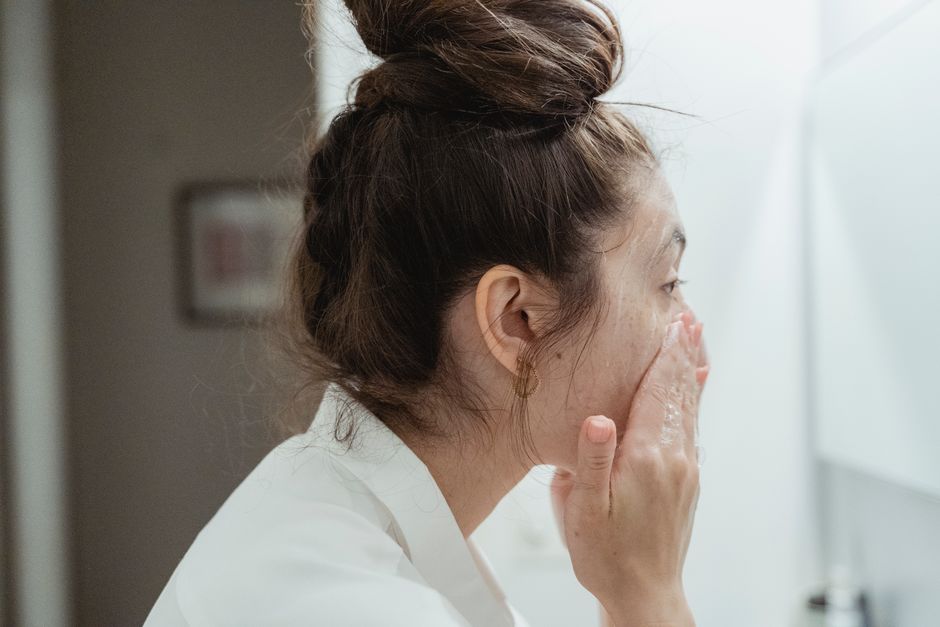
Finding out you’re pregnant brings a flood of questions, and suddenly the products in your bathroom cabinet feel like a minefield. When it comes to your face wash, the good news is that most gentle, everyday cleansers are perfectly fine to keep using. The key is knowing which specific ingredients to avoid, typically because they are not well-studied in pregnancy or have known risks, and which ones are widely considered safe for your skin and your baby.
What Face Wash Is Safe For Pregnancy: The Core Rules
Most face washes are safe during pregnancy. The majority of cleansers simply wash away dirt, oil, and makeup, and their ingredients stay on the surface of your skin for only a short time before being rinsed off.
The bigger concern is not the wash itself but the active ingredients found in medicated or treatment cleansers. These are the products designed to treat acne, hyperpigmentation, or signs of aging. Because you rinse a face wash off, the absorption is lower than with a leave-on serum or cream, but it is still wise to be cautious.
Your skin can also change during pregnancy. Many women develop melasma, often called the “mask of pregnancy,” which makes skin more sensitive to light. Some women who never had sensitive skin suddenly find their usual products sting or cause redness. If that happens to you, switching to a simpler, gentler wash is a practical first step.
Which Face Wash Ingredients Should You Avoid?
The list of truly forbidden ingredients in face washes is short. However, some common acne-fighting ingredients are best avoided because of potential risks or lack of safety data.
Salicylic acid is the most common one you will hear about. In high doses, it is linked to birth defects. The concern is mainly with oral forms, like aspirin. For topical use, the evidence is less clear. Many dermatologists consider low concentrations (2% or less) in a rinse-off product to be low risk. However, because studies are limited, many doctors still advise avoiding it entirely during pregnancy, especially in the first trimester.
Retinoids are a definite no-go. These are vitamin A derivatives found in many anti-aging and acne products. Oral isotretinoin (Accutane) is known to cause severe birth defects. Topical retinoids like tretinoin and adapalene carry similar warnings, and experts advise stopping them before trying to conceive and avoiding them throughout pregnancy.
Benzoyl peroxide is a common acne treatment. It is generally considered safe in small amounts because your skin converts it to benzoic acid, which is quickly excreted. However, it can be very drying and irritating, which is not ideal when your skin is already changing.
Also be cautious with essential oils in “natural” cleansers. Some oils, like sage, clary sage, and juniper, are traditionally used to stimulate menstruation and are avoided in pregnancy. The amounts in a rinse-off product are tiny, but if you are unsure, choose a fragrance-free wash instead.
Ingredients That Are Considered Safe and Beneficial
Many effective and soothing ingredients are perfectly safe to use on your face during pregnancy.
Glycolic acid and lactic acid are alpha hydroxy acids (AHAs) used for gentle exfoliation. They are not well absorbed into the bloodstream and are widely considered safe in concentrations found in over-the-counter cleansers. They can help with the dullness and uneven texture that pregnancy hormones sometimes cause.
Azelaic acid is another option. It is a gentle exfoliant that also has anti-inflammatory properties, making it useful for pregnancy-related acne and redness. It is considered safe in pregnancy and is often recommended by dermatologists as a first-line treatment for pregnancy acne.
Niacinamide is a form of vitamin B3. It is soothing, helps strengthen the skin barrier, and can help with redness and oil production. It is stable and well-tolerated, making it an excellent choice for sensitive pregnancy skin.
Hyaluronic acid is a humectant that draws moisture into the skin. It is naturally present in your body and is safe to use topically. It is helpful because pregnancy can dehydrate the skin, making fine lines more visible.
For a simple wash, look for terms like “gentle,” “hydrating,” “fragrance-free,” and “non-comedogenic,” which means it will not clog pores.




What About “Clean” or “Natural” Face Washes?
Marketing labels like “clean” or “natural” are not regulated by the FDA. They do not guarantee safety for pregnancy. A product can be full of natural botanicals and still contain ingredients that are irritating or lack safety data for pregnancy.
Conversely, a synthetic ingredient is not automatically dangerous. The science of risk is about the specific molecule and how much of it gets into your system, not whether it comes from a plant or a lab.
Your best approach is to read the ingredient list yourself and check for the specific ingredients mentioned above. If a product makes vague claims about being “detoxifying” or “hormone-balancing,” be skeptical. These are marketing terms, not medical facts. No face wash can balance your hormones, and your liver and kidneys are already handling detoxification perfectly well.
How To Handle Pregnancy Acne Safely
Pregnancy acne is common, especially in the first and second trimesters when hormone levels spike. It can be frustrating, and you may be tempted to reach for your old acne products.
Start with the basics. Wash your face twice a day with a gentle cleanser. Do not scrub hard, as this inflames the skin and makes acne worse. Look for a wash containing 2% salicylic acid only if your doctor has cleared it, or choose one with azelaic acid or glycolic acid instead, which have a better safety profile.
If over-the-counter options are not working, see a dermatologist. They can prescribe topical treatments that are considered safe during pregnancy, such as clindamycin or erythromycin, which are topical antibiotics. They can also guide you on the safest way to use benzoyl peroxide if needed.
Do not use products containing retinoids or high-dose salicylic acid. And never use oral acne medications like isotretinoin or spironolactone, as they are known to cause harm to a developing baby.
How To Read A Face Wash Label Like A Pro
Reading labels can feel overwhelming, but you only need to look for a few key things.
First, check the active ingredients. These are listed in a separate section on the back of the bottle. This is where you will find salicylic acid, benzoyl peroxide, or glycolic acid listed with their percentages.
Second, scan the inactive ingredients for the “avoid” list. If you see words like “retinyl palmitate,” “retinol,” or “tretinoin,” put it back. If you see “salicylic acid” in the active list, decide if you want to avoid it or ask your doctor.
Third, look for fragrance. The word “fragrance” or “parfum” can hide a mix of dozens of chemicals, some of which are allergens. Your skin is more reactive during pregnancy, so choosing fragrance-free is a simple way to reduce the risk of irritation.
Finally, do not be fooled by “pregnancy-safe” claims on the front of the bottle. There is no certification body that approves these labels. The company is making that claim based on its own interpretation of the data. Your doctor is the only one who can give you personalized advice.
Frequently Asked Questions
Can I use salicylic acid face wash while pregnant?
Most doctors advise caution, but many consider a 2% salicylic acid rinse-off product low risk. Because studies are limited, ask your obstetrician or dermatologist before using it, especially in the first trimester.
Is benzoyl peroxide safe to use on my face during pregnancy?
It is generally considered safe in small amounts found in over-the-counter washes. It can be very drying, so use it sparingly and stop if your skin becomes irritated.
Are “clean beauty” face washes safer for pregnancy?
No, the term “clean” is not regulated and does not guarantee safety. A product can be natural and still contain irritating ingredients, or lack safety data for pregnancy. Always check the actual ingredient list.
What is the best face wash for pregnancy melasma or dark spots?
Gentle cleansers with glycolic acid or lactic acid are safe and can help with skin texture. For significant dark spots, see a dermatologist, as prescription treatments may be needed and are best discussed with a specialist.
