
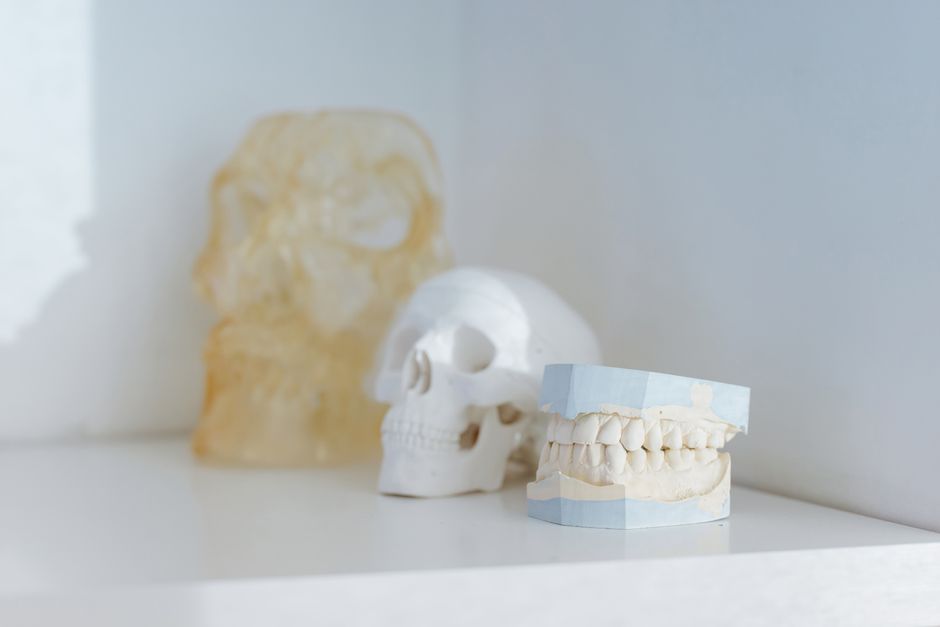
Many people assume teeth are bones because they look similar and both contain calcium. But the answer is clear: teeth are not bones. They are different in structure, function, and how they heal. Understanding the difference matters for how you care for them and what to expect if you have dental problems.
Are Teeth Are Bones?
No, teeth are not bones. They share some building blocks, like calcium and phosphorus, but that is where most of the similarity ends. Bones are living tissue that constantly rebuild themselves. Teeth are made of hard tissues that do not remodel the same way.
This difference explains why a broken arm heals with a cast but a cracked tooth needs a dentist. Bone can repair itself. Enamel, the outer layer of a tooth, cannot.
What Are Teeth Made Of?
Teeth have several layers. Each layer has a different job and a different composition.
The enamel is the hard outer surface you see. It is the hardest substance in the human body — harder than bone. Enamel is about 96% mineral content, mostly hydroxyapatite, a crystalline calcium phosphate. The rest is water and organic material. Enamel has no living cells, blood vessels, or nerves. That is why cavities do not hurt until they reach deeper layers.
Below the enamel is dentin. Dentin is softer than enamel but still harder than bone. It makes up most of the tooth’s structure. Dentin has microscopic tubules that connect to the inner pulp. When dentin is exposed, you may feel sensitivity to cold, hot, or sweet foods.
The pulp is the innermost part of the tooth. It contains blood vessels, nerves, and connective tissue. The pulp keeps the tooth alive and supplies nutrients. If decay reaches the pulp, you feel pain. This is when a root canal becomes necessary.
Finally, cementum covers the tooth root. It helps anchor the tooth to the jawbone through the periodontal ligament. Cementum is softer than enamel and dentin but still mineralized.
How Are Bones Different From Teeth?
Bones are living organs. They contain cells called osteoblasts that build bone and osteoclasts that break it down. This constant process, called remodeling, allows bones to repair fractures and respond to stress. When you exercise, bones get stronger. When you are inactive, they can weaken.
Teeth do not remodel. Enamel, once formed, does not regenerate. Dentin can form slowly in response to irritation, but this is limited. A tooth cannot heal a fracture on its own the way a bone can.
Bones also contain bone marrow, where blood cells are made. Teeth have no marrow. Their inner pulp has blood vessels but does not produce blood cells.
Another key difference is attachment. Bones connect to other bones through joints. Teeth are anchored in the jawbone by the periodontal ligament. This ligament acts like a shock absorber. It allows slight movement of the tooth during chewing.


Why Do Teeth and Bones Both Need Calcium?
Both tissues rely on calcium for strength. Calcium phosphate crystals give structure to enamel, dentin, and bone. But the body manages calcium differently for each.
When your body needs calcium, it can draw it from bone. This is normal and happens throughout life. Bones act as a calcium reserve. Teeth, however, are not a significant calcium reserve. The body does not break down tooth enamel to supply calcium elsewhere. This is why teeth do not weaken measurably during pregnancy, a common myth. Pregnancy does not leach calcium from the mother’s teeth. Gum disease and dietary changes during pregnancy are more likely causes of dental problems than calcium loss from teeth.
Why Do Teeth Not Heal Like Bones?
Bone fractures heal because bone is vascularized — it has a rich blood supply. When a bone breaks, bleeding at the fracture site triggers an inflammatory response. Cells migrate in, form a soft callus, and then harden into new bone. Over weeks to months, the bone remodels back to its original shape.
Teeth lack this capacity. Enamel has no blood supply and no cells. A crack in enamel cannot be repaired by the body. It can only be protected or restored by a dentist.
Dentin has some limited repair ability. Odontoblasts, the cells that form dentin, can produce tertiary dentin in response to mild irritation, such as slow decay. This is a defense mechanism, not true healing. It does not restore the tooth to its original state.
If the pulp is damaged by deep decay or trauma, it cannot regenerate on its own. Without treatment, the pulp dies. This is why dental infections require root canal therapy or extraction — the tooth cannot heal itself the way a bone would.
Are Teeth Considered Part of the Skeleton?
Teeth are often grouped with the skeletal system for anatomical study, but they are not classified as bones. In medical terminology, teeth are part of the digestive system because their primary function is mechanical digestion — breaking down food.
The jawbone, called the mandible, is a true bone. It can heal and remodel. The teeth embedded in it are not bones themselves. They are specialized structures that develop from different embryonic tissue than bones.
Teeth develop from ectoderm and neural crest cells. Bones develop from mesoderm and neural crest cells. This difference in origin explains why teeth and bones behave so differently throughout life.
What Does This Mean for Your Dental Health?
Because teeth cannot heal themselves, prevention is more important than repair. Daily brushing and flossing remove plaque, the bacterial film that causes decay and gum disease. Fluoride helps strengthen enamel and can reverse early stages of decay before a cavity forms.
Once a cavity has formed, it requires a filling. The decayed part of the tooth is removed, and the dentist restores the shape with a filling material. Waiting does not help — cavities do not heal on their own. They only get larger.
If you grind your teeth, you can wear down enamel faster than normal. This is called bruxism. A mouthguard from your dentist can protect your teeth from further damage.
Acidic foods and drinks can erode enamel over time. Soda, citrus juices, and sports drinks are common culprits. Rinsing your mouth with water after consuming acidic items can help. Waiting at least 30 minutes before brushing gives your saliva time to neutralize the acid and prevents brushing softened enamel away.
Regular dental checkups catch problems early. A dentist can spot early decay, gum disease, or cracks before they become serious. Treating small problems is always easier and less expensive than treating advanced ones.
Can Supplements Make Teeth Stronger?
Calcium and vitamin D are essential for bone health. For teeth, the story is more complicated. Once teeth have fully formed, usually by the late teens, supplements cannot change their structure. Enamel is already set.
During childhood, adequate calcium, vitamin D, and phosphorus are important for proper tooth formation. But after teeth erupt, their mineral content is largely fixed. Taking extra calcium as an adult will not make your enamel harder.
Fluoride is the one mineral that can genuinely strengthen teeth after they erupt. It promotes remineralization, the process of repairing early enamel damage. This is why most public water supplies contain fluoride and why toothpaste includes it. Fluoride works on the surface of the tooth, not from within.
Frequently Asked Questions
Can teeth heal themselves like bones?
No. Enamel has no living cells and cannot repair itself. Dentin has very limited repair ability, but true healing does not occur.
Why do teeth not heal after a fracture?
Teeth lack the blood supply and cellular machinery needed for bone-style healing. A cracked tooth requires dental treatment, not time.
Do teeth lose calcium during pregnancy?
No. The body does not break down tooth enamel to supply calcium to a developing baby. Gum disease and dietary changes are more common causes of dental issues during pregnancy.
Are wisdom teeth bones?
No. Wisdom teeth are teeth. They are made of enamel, dentin, and pulp, just like other teeth, and are not classified as bones.
