
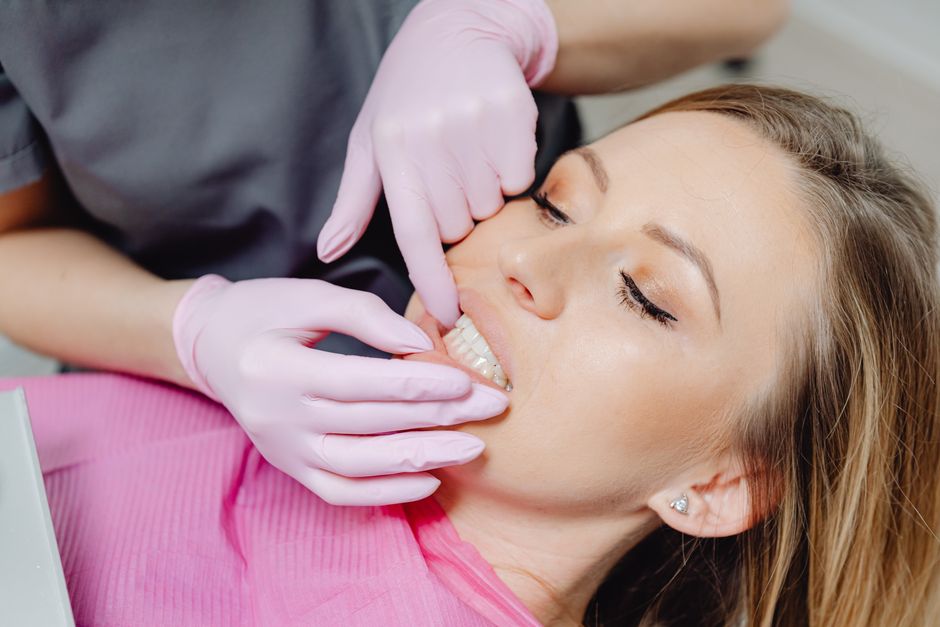
You paid for a brighter smile, and now you want to know how long it will stick around. The short answer: most professional in-office whitening results last somewhere between six months and two years, while over-the-counter kits often fade faster, sometimes within a few weeks to a few months. The longer answer depends on what type of whitening you had, what you eat and drink, and how well you care for your teeth afterward.
Teeth whitening is not a permanent change. It removes or lightens stains sitting in the outer and middle layers of the tooth, but it does not stop new stains from forming. That is why results fade over time, and why the choices you make after treatment matter as much as the treatment itself.
Why Does Teeth Whitening Fade Over Time?
Your teeth are not solid white blocks. Each tooth has an outer layer called enamel and a middle layer called dentin. Enamel is semi-transparent. Dentin, underneath it, is naturally yellowish. When light passes through enamel, that yellow shows through.
Whitening agents, usually hydrogen peroxide or carbamide peroxide, break apart stain molecules trapped in enamel and dentin. This makes the tooth appear lighter. The effect is real, but it is not sealed in.
Every day, new pigments from food, drinks, and tobacco settle into the tooth surface. Over time these build up again. The result is a gradual return toward your original shade. How fast this happens varies a lot from person to person.
One detail many people miss: whitening does not change the natural color of your dentin. It lightens what is already there. If your teeth have a strong natural yellow or gray tone, the starting point matters, and so does how much lightening is realistically possible.
How Long Does Teeth Whitening Last Based on the Type?
Different methods produce different timelines. In-office treatments use the strongest peroxide concentrations and typically last the longest. At-home dentist-dispensed trays fall in the middle. Store-bought strips, gels, and toothpastes tend to fade fastest because the peroxide levels are lower.
Here is a general comparison based on how these methods are commonly used in practice:
| Whitening Method | Typical Duration of Results | Notes |
|---|---|---|
| In-office professional whitening | About 6 months to 2 years | Highest peroxide concentration; often done in one visit |
| Dentist-dispensed custom trays | Several months to about a year | Used at home over days or weeks; results vary |
| Over-the-counter strips and gels | A few weeks to a few months | Lower peroxide levels; effects fade sooner |
| Whitening toothpaste | Minimal and short-lived | Mostly removes surface stains; does not bleach deeper |
These ranges are general. Individual results depend on your starting shade, your diet, and how consistently you avoid staining substances. No method produces a permanent result, and no whitening product can lighten crowns, veneers, fillings, or bonding, since those materials do not respond to peroxide.
What Makes Whitening Results Fade Faster?
The biggest factor is what touches your teeth after treatment. The first 48 hours matter most, because enamel is temporarily more porous right after whitening and takes up pigments more easily. But the effect continues long after that window.
Common culprits include:
- Coffee and black tea
- Red wine
- Cola and other dark sodas
- Berries, tomato sauce, and soy sauce
- Tobacco, including smoking and chewing
- Poor oral hygiene that lets plaque and stain build up
Acidic drinks do double duty. They can soften enamel slightly and make it more receptive to stains. Sipping soda or coffee slowly over a long period exposes teeth more than drinking it quickly.
Age plays a role too. As people get older, enamel thins and dentin becomes more visible. That can make teeth look more yellow over time, even with good care. This is a natural change, not a sign that whitening failed.
How Can You Make Whitening Last Longer?
You cannot freeze your results, but you can slow the fade. The most effective habits are simple and well established.
Rinse with water after coffee, tea, or wine. Use a straw for dark drinks when you can. Brush twice a day with a fluoride toothpaste. Floss daily. These steps limit new stain from settling in.
Avoid tobacco entirely. It is one of the strongest contributors to tooth staining and it also raises the risk of gum disease and oral cancer.
Many dentists recommend a short touch-up session every few months using custom trays, or a single in-office booster once or twice a year. This is common clinical practice, though the ideal schedule varies by person and is not standardized across all providers.
Keep in mind that whitening does not treat the cause of discoloration. If your teeth are yellow because of thinning enamel, medication, or an underlying condition, whitening may help the shade but will not fix the source.
Does Whitening Damage Your Teeth?
When done correctly, whitening does not permanently damage enamel. This is well supported by dental research. However, it commonly causes temporary tooth sensitivity and gum irritation, especially at higher peroxide concentrations.
The sensitivity usually fades within a few days after treatment stops. It happens because peroxide can temporarily reach the nerve inside the tooth. Most people tolerate it, but some find it uncomfortable enough to pause treatment.
Risks rise when products are misused. Overusing whitening kits, leaving them on longer than directed, or using unregulated products can irritate gums and worsen sensitivity. Gum irritation from ill-fitting trays is a frequent complaint.
Whitening is not recommended for children, and no clinical guidelines support its use in that age group. It is also generally avoided during pregnancy and breastfeeding, though the evidence here is limited and guidance varies. If you are pregnant or nursing, talk with your dentist or doctor before whitening.
People with untreated cavities, gum disease, or worn enamel should address those issues first. Whitening over a cavity can cause pain and may not produce even results.
When Should You See a Dentist Instead of Whitening at Home?
Some discoloration does not respond to whitening at all. If a single tooth is darker than the others, that can point to a dead nerve, a prior injury, or a failing filling. Whitening will not fix that, and a dentist needs to evaluate it.
Gray or bluish discoloration often comes from inside the tooth, not the surface. This type may need a different approach, such as internal bleaching done by a dentist or a restoration.
See a dentist if you have:
- Sudden color change in one tooth
- Pain, swelling, or bleeding gums
- Teeth that are sensitive even without whitening
- Visible cracks, chips, or worn edges
These signs can indicate a problem that whitening will not solve and may make worse. A dental exam is the right first step.
What Realistic Expectations Should You Have?
Whitening works, but it is temporary and gradual. Most people see the best results right after treatment, then a slow fade over months. Results are rarely dramatic enough to change your smile from dark to bright white, and the degree of lightening varies widely between people.
Set expectations around maintenance, not permanence. A touch-up routine and stain-limiting habits can keep results looking good for longer, but no method keeps teeth white forever. That is not a failure of the product. It is how whitening works.
If you want a longer-lasting change to the color or shape of your teeth, ask your dentist about options like veneers or bonding. These are restorations, not whitening, and they come with their own costs and trade-offs.
Frequently Asked Questions
How long does professional teeth whitening last?
In-office professional whitening typically lasts about six months to two years. Results fade faster with frequent coffee, tea, wine, or tobacco use.
Does whitening toothpaste actually whiten teeth?
Whitening toothpaste mainly removes surface stains and does not bleach deeper layers of the tooth. Its effect is minimal and short-lived compared with peroxide-based treatments.
Can I whiten my teeth if I have crowns or veneers?
Whitening products do not lighten crowns, veneers, fillings, or bonding. If you whiten natural teeth around them, the restored teeth may look darker by comparison.
Is it safe to whiten your teeth while pregnant?
Whitening is generally avoided during pregnancy and breastfeeding, though the evidence is limited and guidance varies. Talk with your dentist or doctor before whitening.
