
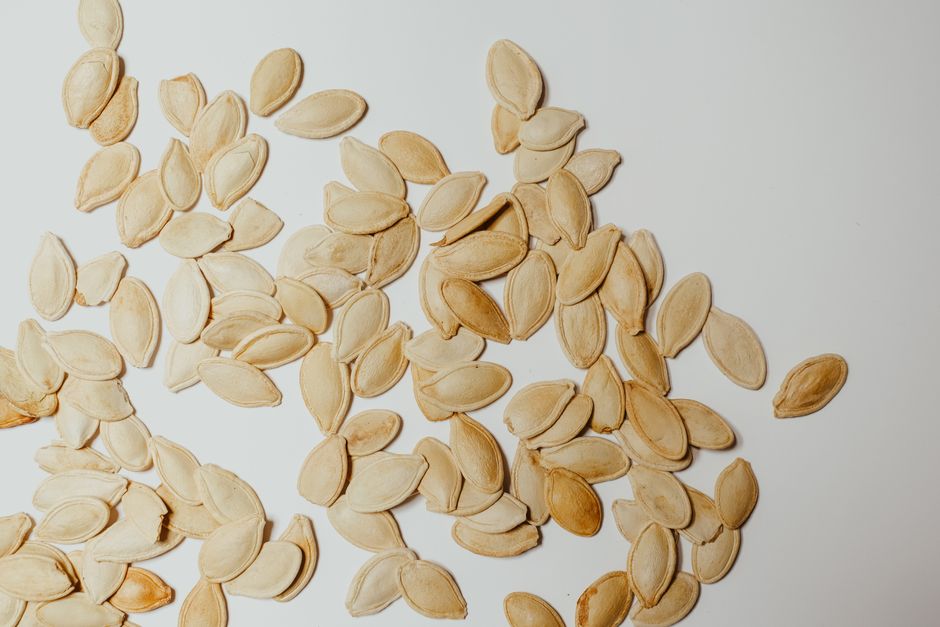
Pumpkin seeds are healthy. They are a concentrated source of plant protein, healthy fats, magnesium, zinc, and fiber. Regular consumption is linked to better heart health and improved blood sugar control, though they are calorie-dense, so portion size matters.
What Are the Actual Nutrients in Pumpkin Seeds?
Pumpkin seeds, also known as pepitas, are the edible seeds of the pumpkin plant. When you remove the white hull, the green seed inside is the part you eat. A standard serving is about one ounce, which is roughly a quarter cup or a small handful.
That single ounce provides about 150 calories. It contains approximately 8-9 grams of plant protein, which is higher than most other seeds. The fat content is around 13-15 grams, but most of it is unsaturated fat, specifically oleic acid and linoleic acid. These are the same types of fats found in olive oil and nuts.
For micronutrients, pumpkin seeds are exceptionally rich in magnesium. One ounce delivers close to 40% of the daily value for magnesium. They also provide significant amounts of zinc, iron, and phosphorus. The seeds contain manganese and copper in smaller but meaningful amounts.
Fiber is present at about 1.7 grams per ounce. That is modest compared to chia or flax seeds, but it still contributes to your daily intake.
Are Pumpkin Seeds Healthy for Your Heart?
Studies have found that pumpkin seeds can support heart health in several ways. The magnesium content is directly involved in regulating blood pressure. Magnesium helps blood vessels relax, which lowers resistance and allows blood to flow more freely.
The unsaturated fats in pumpkin seeds help improve cholesterol profiles. Diets rich in these fats are associated with higher levels of HDL cholesterol, the “good” kind, and lower levels of LDL cholesterol, the “bad” kind. This effect is well established across many types of nuts and seeds, not unique to pumpkin.
Pumpkin seeds also contain phytosterols. These plant compounds have a chemical structure similar to cholesterol. When you eat them, they compete with dietary cholesterol for absorption in the digestive tract. Some research suggests this can modestly reduce blood cholesterol levels.
The evidence is strong enough that cardiologists generally view pumpkin seeds as a heart-healthy snack. They are not a treatment for existing heart disease, but they fit well into a preventive diet.
Can Pumpkin Seeds Help Control Blood Sugar?
Pumpkin seeds may be useful for blood sugar management. The combination of protein, fat, and fiber slows down digestion. This means the carbohydrates in a meal are absorbed more slowly, which prevents sharp spikes in blood glucose.
Some research suggests pumpkin seeds have a direct effect on insulin sensitivity. Magnesium plays a role here as well. Low magnesium levels are common in people with type 2 diabetes, and adequate intake is associated with better glycemic control.
There is also interest in compounds called polyphenols found in pumpkin seeds. These antioxidants may help reduce oxidative stress, which is elevated in diabetes. However, the evidence for a direct blood-sugar-lowering effect from pumpkin seeds alone is not strong enough to call them a treatment.
What is clear is practical. Swapping a processed snack like crackers for pumpkin seeds will reduce refined carbohydrates and add nutrients. That change supports steadier blood sugar over time.




Do Pumpkin Seeds Improve Sleep and Mood?
Pumpkin seeds contain tryptophan, an amino acid that the body uses to produce serotonin. Serotonin is a neurotransmitter that regulates mood, appetite, and sleep. At night, serotonin is converted into melatonin, the hormone that controls your sleep-wake cycle.
The magnesium in pumpkin seeds also supports sleep quality. Magnesium helps activate the parasympathetic nervous system, which is responsible for relaxation. Some studies show that magnesium supplementation improves sleep efficiency and reduces the time it takes to fall asleep.
Zinc is another mineral involved in mood regulation. Low zinc levels have been linked to depressive symptoms in some research. Pumpkin seeds are one of the better plant sources of zinc.
However, the effect of eating a handful of pumpkin seeds on sleep is subtle. You should not expect a dramatic change. The evidence supports pumpkin seeds as part of a nutrient-rich diet that supports healthy sleep patterns, not as a sleep aid.
Are Roasted or Raw Pumpkin Seeds Better?
Both raw and roasted pumpkin seeds are healthy. The main difference is in the processing. Raw seeds retain all their natural oils and nutrients. Roasting at high temperatures can slightly reduce heat-sensitive vitamins, but the minerals like magnesium and zinc are largely unaffected.
Roasted seeds have a richer flavor and a crunchier texture. Many people find them more palatable, which means they are more likely to eat them regularly. That consistency matters more than minor nutrient losses.
The bigger concern is what is added during roasting. Many commercial roasted pumpkin seeds are coated in oil and salt. Excess sodium can raise blood pressure, which would counteract some of the heart benefits. Check the ingredient list and choose unsalted or lightly salted versions.
Seasoned varieties may contain added sugar, artificial flavors, or chemical preservatives. Plain roasted seeds with no additives are the safest choice. You can also roast raw seeds at home with a small amount of olive oil and your own spices.
How Many Pumpkin Seeds Should You Eat Per Day?
There is no official daily recommendation for pumpkin seeds specifically. The general guidance for nuts and seeds is about one ounce per day, which equals roughly a quarter cup of pumpkin seeds. That portion provides meaningful nutrients without excessive calories.
Eating more than this is not dangerous, but it adds up quickly. A single cup of pumpkin seeds contains over 600 calories. If you are watching your weight, portion control is essential.
For most healthy adults, one to two ounces per day is a reasonable range. If you have kidney disease, talk to your doctor first. Pumpkin seeds are high in phosphorus and potassium, which people with impaired kidney function may need to limit.
People taking blood pressure medication should also be aware of the potassium content. Sudden large increases in potassium intake can interact with certain diuretics. This is rarely a problem at normal serving sizes, but it is worth mentioning to your healthcare provider.
Are There Any Risks or Side Effects?
Pumpkin seeds are safe for most people. The most common issue is digestive discomfort. The fiber and fat content can cause bloating or gas if you eat a large amount at once, especially if you are not used to high-fiber foods.
Allergies to pumpkin seeds are possible but uncommon. Symptoms can range from mild itching to severe reactions. If you have a known allergy to other seeds, introduce pumpkin seeds cautiously.
One concern that circulates online is the presence of antinutrients. Pumpkin seeds contain phytic acid, which can bind to minerals and reduce their absorption. This is real, but the effect is minor for people eating a varied diet. Roasting reduces phytic acid content significantly.
There is no evidence that pumpkin seeds are toxic or harmful in normal food amounts. The seeds are not a medicine and should not replace prescribed treatments for any condition.
Frequently Asked Questions
Are pumpkin seeds good for weight loss?
Pumpkin seeds can support weight loss because their protein and fiber increase fullness, which may reduce overall calorie intake. However, they are calorie-dense, so keep portions to about one ounce per day.
Can you eat pumpkin seeds every day?
Yes, eating pumpkin seeds daily is safe for most people. A daily serving of one ounce is a healthy addition to a balanced diet.
Do pumpkin seeds have side effects?
The main side effects are digestive, like bloating or gas, when eaten in large amounts. People with kidney disease should consult a doctor due to the phosphorus and potassium content.
Are pumpkin seeds better than sunflower seeds?
Both are nutritious, but pumpkin seeds contain more zinc, magnesium, and protein. Sunflower seeds have more vitamin E and selenium. Eating both provides a wider range of nutrients.
