
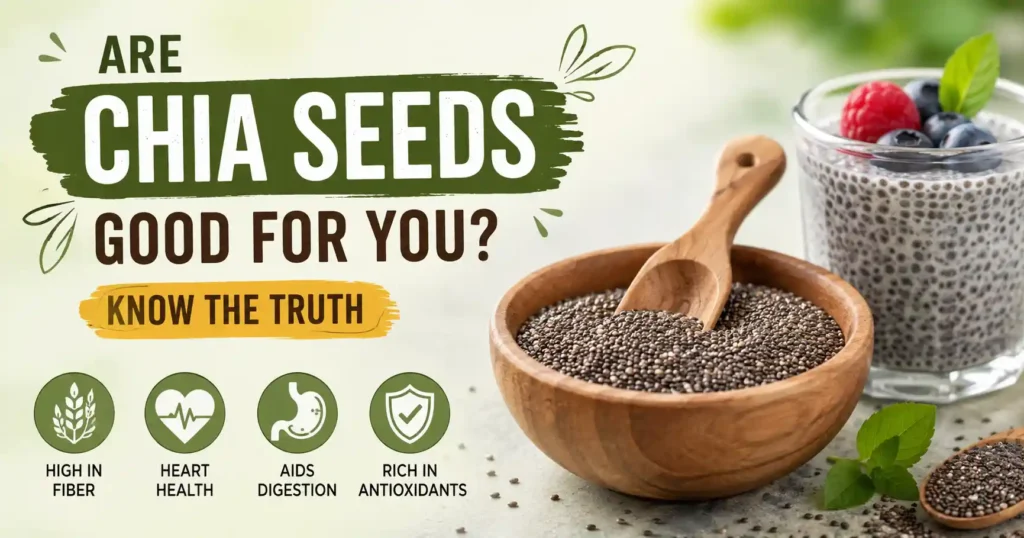
Chia seeds are one of the most popular health foods on the market, and for good reason. The short answer is yes, chia seeds are very good for you. They are packed with fiber, protein, omega-3 fatty acids, and several important minerals. But like any food, they are not a miracle cure, and they come with some important caveats you need to know before adding them to your diet.
What Makes Chia Seeds Nutritious?
Chia seeds come from the plant Salvia hispanica, native to Central America. These tiny black and white seeds were a staple food for the Aztecs and Mayans. Their modern reputation as a superfood is backed by real science.
A single ounce, about two tablespoons, contains 11 grams of fiber. That is nearly half the daily recommended intake for women and about a third for men. The same serving provides 4 grams of protein and 5 grams of omega-3 fatty acids, mostly in the form of alpha-linolenic acid (ALA).
Research published in the Journal of Food Science and Technology found that chia seeds are also rich in calcium, phosphorus, and magnesium. These minerals are essential for bone health, muscle function, and energy production. The calcium content is particularly notable. Two tablespoons of chia seeds contain about 18% of the daily recommended calcium intake, which is higher than most dairy products by weight.
The fiber in chia seeds is mostly soluble. When mixed with liquid, it forms a gel-like substance. This gel slows down digestion and helps you feel full longer. It also feeds the beneficial bacteria in your gut, which supports digestive health.
Can Chia Seeds Help With Weight Loss?
Many people turn to chia seeds to help manage their weight. The logic is simple. The high fiber and protein content should keep you full and reduce overall calorie intake. Some studies suggest this works, but the evidence is not as strong as the hype suggests.
A small study published in the European Journal of Clinical Nutrition found that people who ate chia seeds as part of a breakfast meal reported feeling fuller and ate less at their next meal. However, a larger randomized controlled trial published in the Journal of Nutrition found that adding chia seeds to a weight loss diet for 12 weeks did not lead to significantly more weight loss than a placebo.
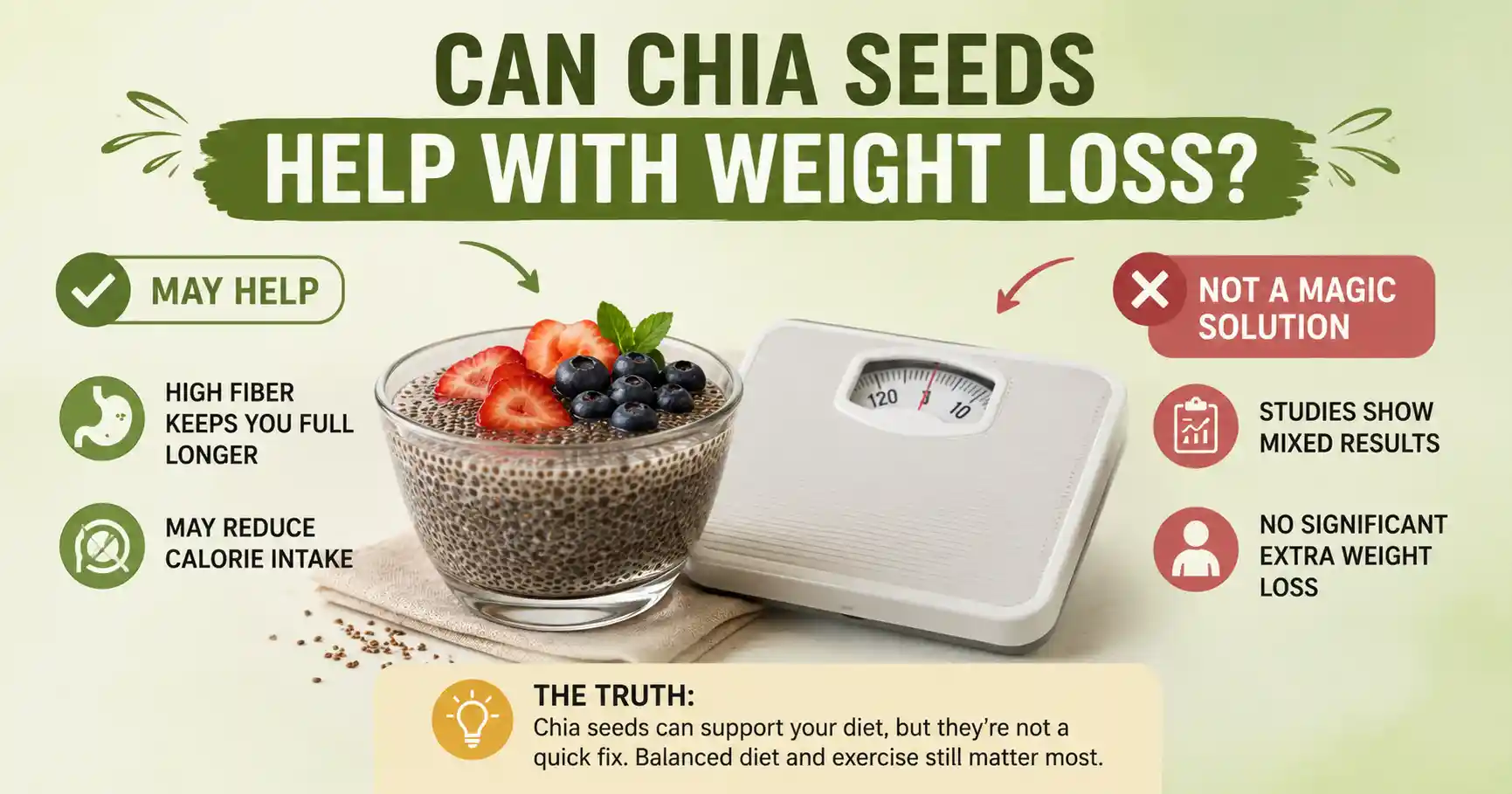
What does this mean for you? Chia seeds can be a helpful tool in a weight management plan, but they are not a magic bullet. They work best when they replace less healthy foods, not when they are simply added to an already calorie-dense diet. If you eat them as part of a balanced diet with a calorie deficit, they can support your goals. If you expect them to melt fat away on their own, you will be disappointed.
What Are the Health Benefits of Omega-3s in Chia Seeds?
Chia seeds are one of the best plant-based sources of omega-3 fatty acids. The ALA form they contain is a precursor to the more active forms, EPA and DHA, found in fish oil. The conversion rate from ALA to EPA and DHA in the human body is low, around 5% to 10%. This matters because EPA and DHA are the forms most directly linked to heart and brain health.
Research published in the Journal of the American Heart Association found that higher intake of ALA is associated with a lower risk of cardiovascular disease. The study followed over 60,000 people and found that those with the highest ALA intake had a 10% lower risk of fatal heart disease. This is a meaningful benefit, though it is smaller than the benefits seen with fish-based omega-3s.
For people who do not eat fish or seafood, chia seeds are an excellent way to get some omega-3s into your diet. They are especially useful for vegetarians and vegans. Just be aware that the omega-3s in chia seeds are not as potent as those in salmon or sardines. If you have specific heart health concerns, you may want to discuss fish oil supplements with your doctor.



How Do You Eat Chia Seeds Safely?
Chia seeds are versatile and easy to add to your diet. You can sprinkle them on yogurt, oatmeal, or salads. You can blend them into smoothies. The most popular preparation is chia pudding, where you mix the seeds with milk or a milk alternative and let them sit overnight.
There is one critical safety rule you must follow. Never eat dry chia seeds by the spoonful. When dry chia seeds come into contact with liquid, they can absorb up to 12 times their weight in water. If you swallow a spoonful of dry seeds and then drink water, the seeds can expand in your esophagus and cause a blockage. This is rare but well-documented in medical literature. A case report in the American Journal of Gastroenterology described a man who developed a complete esophageal blockage after eating a tablespoon of dry chia seeds followed by water.
Always soak chia seeds before eating them, or mix them thoroughly into moist foods. This prevents any risk of choking or digestive blockage.
Is Chia Seeds Good For You Compared to Other Seeds?
Chia seeds are often compared to flaxseeds and hemp seeds. Each has a different nutritional profile. The table below shows a direct comparison based on a one-ounce serving.
| Nutrient | Chia Seeds | Flaxseeds | Hemp Seeds |
|---|---|---|---|
| Calories | 138 | 150 | 166 |
| Fiber | 11 g | 8 g | 1 g |
| Protein | 4 g | 5 g | 10 g |
| Omega-3 (ALA) | 5 g | 6.5 g | 1 g |
| Calcium | 18% DV | 7% DV | 2% DV |
Chia seeds win on fiber and calcium. Flaxseeds have slightly more omega-3s but need to be ground for your body to absorb them. Hemp seeds are higher in protein but much lower in fiber. There is no single best seed. The right choice depends on your specific nutritional needs. If you want more fiber and calcium, chia seeds are your best option. If you want more protein, go with hemp seeds.
What Are the Side Effects of Chia Seeds?
Chia seeds are safe for most people when eaten in normal amounts. However, there are some side effects and risks you should know about.
Digestive issues are the most common. The high fiber content can cause bloating, gas, or cramping if you eat too much too quickly. This is especially true if your diet was low in fiber before. Start with one tablespoon per day and increase gradually. Drink plenty of water to help the fiber move through your system.
Blood thinning is a theoretical concern for some people. The omega-3s in chia seeds have a mild blood-thinning effect. In very high doses, this could be an issue for people taking blood thinners like warfarin. The amounts typically eaten in food are unlikely to cause problems, but if you take blood thinners, talk to your doctor before adding large amounts of chia seeds to your diet.
Allergic reactions are rare but possible. Some people with allergies to mustard seeds or sesame seeds may also react to chia seeds. Symptoms can include itching, hives, or swelling. If you have a known seed allergy, introduce chia seeds cautiously.
As of 2026, there is no clinical evidence that chia seeds cause any serious long-term side effects in healthy people. The risks are mostly related to improper use, like eating them dry or eating excessive amounts.
Common Misconceptions About Chia Seeds
One persistent myth is that chia seeds can reverse chronic diseases like diabetes or heart disease on their own. This is not true. Chia seeds are a nutritious food that can support a healthy diet, but they do not replace medical treatment or medication. No single food cures disease.
Another misconception is that you need to grind chia seeds to absorb their nutrients. Unlike flaxseeds, chia seeds have a softer outer shell. Your body can break them down completely. Grinding them is not necessary, though it can make them easier to mix into foods.
Some people believe that chia seeds are a complete protein. They are not. Chia seeds contain all nine essential amino acids, but the amounts of some amino acids are low. They are a good plant protein source, but they are not as complete as animal proteins or soy. Pair them with other plant proteins like beans or lentils to get a full amino acid profile.
Frequently Asked Questions
Can I eat chia seeds every day?
Yes, eating 1 to 2 tablespoons of chia seeds daily is safe for most people. Start with a smaller amount if you are not used to high-fiber foods.
Do chia seeds help with constipation?
Yes, the high soluble fiber content in chia seeds can help relieve constipation by adding bulk to stool. Drink plenty of water when eating them to avoid the opposite effect.
Are chia seeds safe during pregnancy?
Yes, chia seeds are safe during pregnancy in normal food amounts. They provide important nutrients like calcium and omega-3s that support fetal development.
Can chia seeds lower blood pressure?
Some studies suggest chia seeds may have a modest effect on blood pressure due to their omega-3 and fiber content. The effect is small and not a replacement for medication.
