
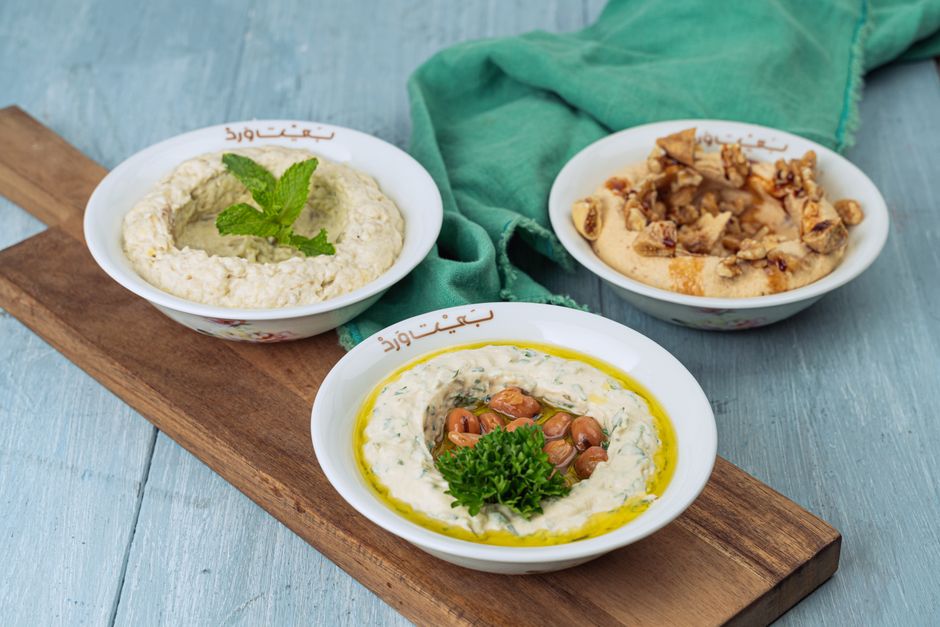
Baba ganoush is a healthy dip made from eggplant, tahini, olive oil, and lemon juice. It is rich in fiber, vitamins, and healthy fats while being low in calories compared to most creamy dips. A standard two-tablespoon serving has about 40-50 calories, making it a smart choice for weight management and heart health.
What Are the Main Ingredients in Baba Ganoush and Their Health Benefits?
The base is roasted eggplant. Eggplant is a good source of fiber and contains nasunin, a compound that protects brain cells. The USDA reports that one cup of cubed eggplant has about 20 calories and 3 grams of fiber.
Tahini is ground sesame seeds. It provides healthy unsaturated fats, calcium, and magnesium. Studies have found that sesame seeds can help lower blood pressure when eaten regularly.
Olive oil adds heart-healthy monounsaturated fats. The FDA states that eating 1.5 tablespoons of olive oil daily may reduce heart disease risk. Just remember that olive oil is still calorie-dense.
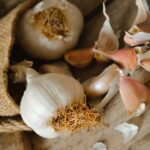
Lemon juice and garlic round out the flavor. Garlic has allicin, which may support immune function. Some studies suggest it can help reduce cold severity, though effects are modest.
How Does Baba Ganoush Compare to Hummus and Other Dips?
People often ask if baba ganoush is healthier than hummus. Both are good choices, but they differ in key ways.
| Dip (2 tbsp) | Calories | Fat | Fiber | Carbs |
|---|---|---|---|---|
| Baba Ganoush | 40-50 | 3-4g | 2g | 4g |
| Hummus | 60-70 | 4-5g | 1.5g | 6g |
| Ranch Dressing | 110-130 | 11-13g | 0g | 2g |
| Sour Cream Dip | 90-100 | 8-9g | 0g | 3g |
Baba ganoush wins on calorie density. It has fewer calories than hummus because eggplant has less starch than chickpeas. It also has more fiber per calorie than most creamy dips.
The fat in baba ganoush comes from tahini and olive oil. These are mostly unsaturated fats. Ranch dressing and sour cream dips use saturated fats from dairy, which the American Heart Association recommends limiting.
One downside: baba ganoush has less protein than hummus. Hummus gets protein from chickpeas. If you need more protein in your diet, hummus is the better choice.
Is Baba Ganoush Healthy Nutrition Facts Explained for Weight Loss?
Yes, it fits well into most weight loss plans. The main reason is low calorie density. You can eat a generous portion for fewer calories than most dips.
The fiber in eggplant and tahini helps with fullness. Research published in the Journal of Nutrition found that fiber intake predicts weight loss success better than calorie counting alone. Fiber slows digestion and keeps blood sugar stable.
Baba ganoush also replaces less healthy options. If you swap ranch dressing for baba ganoush, you save about 70 calories per serving. Over a week of daily use, that adds up.
But portion control still matters. Restaurants often serve baba ganoush with pita bread and olive oil drizzled on top. That extra oil adds calories fast. A restaurant portion can easily be 300-400 calories with the bread.
Stick to 2-4 tablespoons as a serving. Use vegetable sticks for dipping instead of pita. This keeps the meal low in calories while maximizing nutrients.



What Are the Potential Downsides of Eating Baba Ganoush?
Baba ganoush is generally healthy, but it has a few drawbacks worth knowing.
Sodium can be high in store-bought versions. Many brands add salt for flavor. Some contain 150-200 mg per serving. The American Heart Association recommends no more than 2,300 mg daily. Check labels and choose low-sodium options when possible.
Tahini is calorie-dense. Two tablespoons of tahini alone have about 180 calories. Most baba ganoush recipes use less than that per serving, but the calories add up if you eat large amounts.
Some people react to nightshades. Eggplant belongs to the nightshade family. A small number of people with autoimmune conditions report increased joint pain from nightshades. The evidence is mixed. Some studies suggest a link, while others find no effect. If you have rheumatoid arthritis, try cutting nightshades for two weeks and see how you feel.
Oxalates are another concern. Eggplant contains oxalates, which can contribute to kidney stones in susceptible people. The National Kidney Foundation notes that people with a history of calcium oxalate stones should limit high-oxalate foods. One serving of baba ganoush is fine, but avoid eating it daily if you are prone to stones.
How Can You Make Baba Ganoush Healthier at Home?
Homemade baba ganoush gives you control over ingredients. Store-bought versions often add preservatives, extra oil, or sugar you do not need.
Roast the eggplant whole until the skin chars. This brings out smoky flavor without added fat. Let it cool, then scoop out the flesh.
Use less tahini than most recipes call for. Many recipes use 3-4 tablespoons. Try 2 tablespoons instead. You will still get the sesame flavor with fewer calories.
Control the olive oil. Drizzle in one tablespoon instead of pouring freely. The texture will still be creamy.
Skip the added salt. Use lemon juice and garlic for flavor instead. If you need salt, add a pinch at the end rather than mixing it in.
Add Greek yogurt for extra protein. This is not traditional, but it boosts nutrition. Mix in two tablespoons of plain Greek yogurt. You get 3-4 grams of extra protein with minimal calories.
Store it in the fridge for up to five days. The flavors get better after a day. Just stir before serving.
What Do Studies Say About Eggplant and Heart Health?
The main ingredient in baba ganoush is eggplant, and research on eggplant itself is promising.
A study in the journal Food Chemistry found that eggplant contains chlorogenic acid. This compound acts as an antioxidant and may help lower LDL cholesterol. The study used raw eggplant, but roasting does not destroy all the beneficial compounds.
Another study in the Journal of Agricultural and Food Chemistry found that eggplant peel contains nasunin. This antioxidant protects cell membranes from damage. It also helps the body absorb iron more effectively.
Animal studies have shown that eggplant powder reduces cholesterol levels. Human studies are smaller, but the pattern is consistent. The fiber and antioxidants in eggplant support heart health.
The combination of eggplant with olive oil and tahini creates a synergistic effect. The healthy fats in olive oil help your body absorb the fat-soluble antioxidants in eggplant. This is one reason why traditional Mediterranean diets are linked to lower heart disease rates.
Some people report that baba ganoush helps with digestion. The fiber in eggplant and tahini supports regular bowel movements. One serving provides about 2 grams of fiber, which is 8% of the daily recommended intake.
Common Misconceptions About Baba Ganoush
Some people think baba ganoush is unhealthy because it contains fat. This is not accurate. The fat comes from tahini and olive oil, both of which are sources of unsaturated fats. These fats are beneficial for heart health.
Another myth is that baba ganoush is high in carbs. It is not. A serving has about 4 grams of carbs, mostly from fiber. It is suitable for low-carb and keto diets in moderation.
People also confuse baba ganoush with mutabbal. Mutabbal is a similar dip but uses yogurt and more tahini. It has more calories and protein. Baba ganoush is lighter and has a smokier flavor.
Some believe all store-bought baba ganoush is unhealthy. This depends on the brand. Look for options with short ingredient lists: eggplant, tahini, lemon juice, garlic, and olive oil. Avoid brands with added sugar, preservatives, or hydrogenated oils.
What to Avoid When Eating Baba Ganoush
Avoid eating it with fried pita chips. The combination of fried bread and oil defeats the purpose of a healthy dip. Baked pita chips or raw vegetables are better choices.
Do not buy baba ganoush made with mayonnaise. Some cheaper brands add mayo for creaminess. This adds unhealthy fats and calories. Read the ingredient list carefully.
Avoid eating it straight from the container without measuring. It is easy to eat several servings without realizing it. Use a small bowl and measure your portion.
Do not heat baba ganoush. It is meant to be served cold or at room temperature. Heating can change the texture and make it watery.
Avoid pairing it with high-sodium foods like olives or pickled vegetables. The sodium adds up quickly. Stick to fresh vegetables or whole grain crackers.
Frequently Asked Questions
Is baba ganoush good for weight loss?
Yes, it is low in calories and high in fiber, which helps you feel full. A two-tablespoon serving has about 40-50 calories.
Is baba ganoush keto-friendly?
Yes, it is low in carbs with about 4 grams per serving. Most of the carbs come from fiber, so net carbs are even lower.
Can I eat baba ganoush every day?
Yes, in moderation it is safe to eat daily. Just watch your portion size and check the sodium content of store-bought versions.
Does baba ganoush have protein?
It has a small amount, about 1-2 grams per serving. Tahini provides some protein, but it is not a high-protein food like hummus.
