
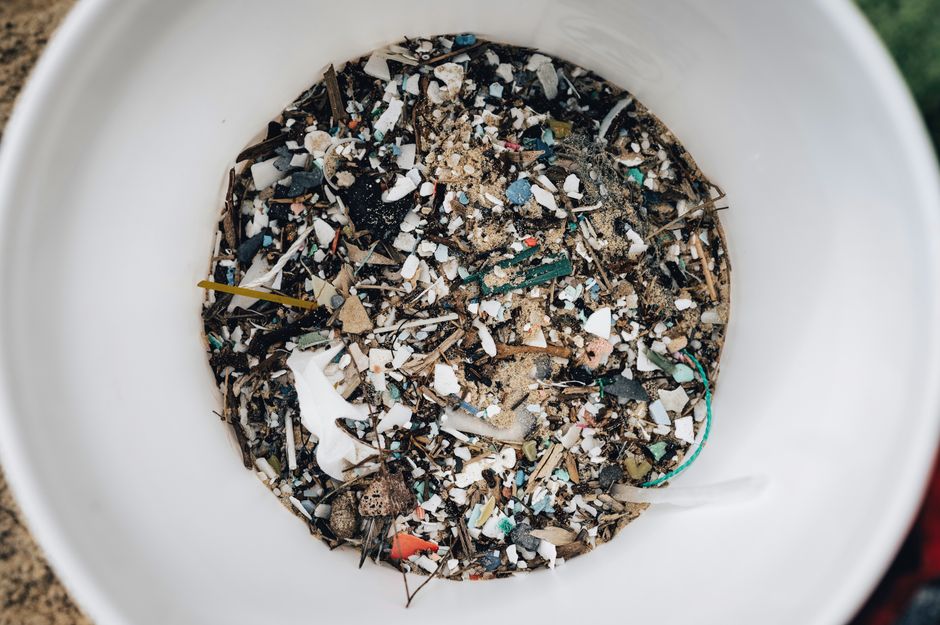
PFAS and microplastics are not the same thing, though people often confuse them. PFAS are a group of man-made chemicals used to make products resistant to water, grease, and stains. Microplastics are tiny pieces of plastic less than five millimeters in size. The key difference is that PFAS are chemicals, while microplastics are physical particles. Both are concerning environmental pollutants, but they come from different sources and affect the body in different ways.
What Exactly Are PFAS?
PFAS stands for perfluoroalkyl and polyfluoroalkyl substances. These are synthetic chemicals that have been used in consumer products since the 1940s. You find them in non-stick cookware, waterproof clothing, stain-resistant carpets, and food packaging like fast-food wrappers.
The reason PFAS are so persistent is their strong carbon-fluorine bond. This bond is one of the strongest in chemistry. It does not break down easily in the environment or in the human body. The CDC has detected PFAS in the blood of nearly all Americans tested. Some PFAS can stay in the body for years.
Research published in Environmental Health Perspectives has linked high levels of certain PFAS to health issues. These include higher cholesterol, changes in liver enzymes, and lower vaccine response in children. The evidence is strongest for PFOA and PFOS, two types of PFAS that have been largely phased out in the US.
What Exactly Are Microplastics?
Microplastics are small plastic fragments. They come from the breakdown of larger plastic items like bottles, bags, and synthetic clothing fibers. When you wash a fleece jacket, tiny plastic fibers wash down the drain. These particles end up in rivers, oceans, and even tap water.
There are two types: primary microplastics, which are manufactured small for products like exfoliating scrubs, and secondary microplastics, which form when larger plastics break apart. Scientists have found microplastics in seafood, salt, beer, and even in human stool samples. A 2019 study from the University of Newcastle estimated that people consume about five grams of plastic every week. That is roughly the weight of a credit card.
Unlike PFAS, microplastics are physical particles. The concern is not a chemical reaction but the physical presence of plastic in tissues. Some microplastics are small enough to enter the bloodstream. Research is ongoing about what happens when they lodge in organs.
How Are PFAS and Microplastics Different?
The simplest way to think about it is this: PFAS are chemicals. Microplastics are materials. PFAS do not break down easily. Microplastics are already broken-down pieces of larger plastic items.
Another major difference is how they enter the body. PFAS mainly come from contaminated drinking water and food packaging. Microplastics come from eating food that has absorbed plastic particles or from inhaling dust in your home. A study in Nature Nanotechnology found that microplastics can be released from plastic tea bags when steeped in hot water.
There is also a difference in how the body handles them. PFAS bind to proteins in the blood and can accumulate in the liver and kidneys. Microplastics are larger particles that may get trapped in the gut or pass through. Some evidence suggests very small microplastics, called nanoplastics, can cross into tissues.
Here is a quick comparison table:
| Feature | PFAS | Microplastics |
|---|---|---|
| What it is | Synthetic chemicals | Plastic particles |
| Size | Molecular level | Less than 5 mm |
| Source | Non-stick coatings, firefighting foam, food packaging | Broken-down plastic items, synthetic fabrics |
| How it enters body | Drinking water, food, dust | Food, water, inhalation |
| Persistence | Years in the body | Unknown, likely shorter |
| Main health concern | Hormone disruption, immune effects | Physical inflammation, unknown long-term effects |





Are PFAS Microplastics Key Differences Explained in Terms of Health Risks?
The health risks for PFAS are better understood than for microplastics. PFAS have been studied for decades. The Agency for Toxic Substances and Disease Registry has linked PFAS to several health effects. These include increased cholesterol levels, changes in thyroid function, and a higher risk of kidney and testicular cancer.
For microplastics, the evidence is much newer and less certain. Some studies suggest microplastics can cause inflammation in the gut. A 2021 study in Environmental Science & Technology found microplastics in human lung tissue. But scientists do not yet know if this causes disease. The World Health Organization has said that current evidence does not show a clear health risk from microplastics in drinking water.
One thing that complicates the picture is that microplastics can carry other chemicals. They can absorb pollutants like pesticides and heavy metals. When you ingest a microplastic, you may also be ingesting whatever it picked up along the way. PFAS, on the other hand, are the chemical themselves. You do not need a carrier.
What Can You Do to Reduce Exposure?
For PFAS, the most effective step is filtering your drinking water. Activated carbon filters and reverse osmosis systems can remove many PFAS from tap water. The Environmental Working Group recommends checking your local water utility for PFAS test results. Avoid non-stick cookware if it is scratched. Stain-resistant treatments on furniture and carpets also contain PFAS.
For microplastics, the advice is different. Avoid heating food in plastic containers. Heat can cause plastics to leach into food. Use glass or stainless steel containers instead. Choose natural fiber clothing like cotton or wool over synthetic fabrics. When you wash synthetic clothes, a Guppyfriend bag can catch some of the fibers before they go down the drain.
Here are practical steps you can take:
- Drink tap water filtered through a certified PFAS filter
- Do not microwave food in plastic containers
- Avoid non-stick pans if the coating is damaged
- Choose fresh food over packaged fast food
- Vacuum with a HEPA filter to reduce plastic dust
These steps will not eliminate exposure entirely. But they reduce the load on your body. No single change is a cure. The goal is cumulative reduction.
Common Misconceptions About PFAS and Microplastics
One common myth is that PFAS and microplastics are the same thing. They are not. PFAS are a class of chemicals. Microplastics are physical particles. Some microplastics do contain PFAS if they came from a product treated with it, but that is not always the case.
Another myth is that bottled water is safer than tap water. Studies have found microplastics in bottled water too. A 2018 study by Orb Media tested 259 bottles from 11 brands. They found microplastic particles in 93% of them. Tap water generally has lower levels of microplastics than bottled water.
Some people believe that boiling water removes PFAS or microplastics. It does not. Boiling can actually concentrate PFAS because the water evaporates but the chemicals remain. For microplastics, boiling does nothing to remove them. Filtration is the only effective method.
A third misconception is that these contaminants are only a problem in certain areas. PFAS contamination is widespread. The Environmental Working Group estimates that over 200 million Americans may have PFAS in their tap water. Microplastics have been found in Arctic ice and deep ocean trenches. No one is completely safe from exposure.
Frequently Asked Questions
Are PFAS the same as microplastics?
No. PFAS are chemicals and microplastics are plastic particles. They are different types of pollutants with different sources and health effects.
Can microplastics contain PFAS?
Yes, some microplastics may contain PFAS if they come from products treated with these chemicals. But most microplastics do not contain PFAS.
Which is more dangerous, PFAS or microplastics?
PFAS have stronger evidence linking them to health problems. Microplastics are less studied and their long-term effects are not yet clear.
How can I test my water for PFAS and microplastics?
You can order a PFAS test from a certified lab. Microplastic testing is not widely available for home use. Check your local water utility for PFAS reports.
