
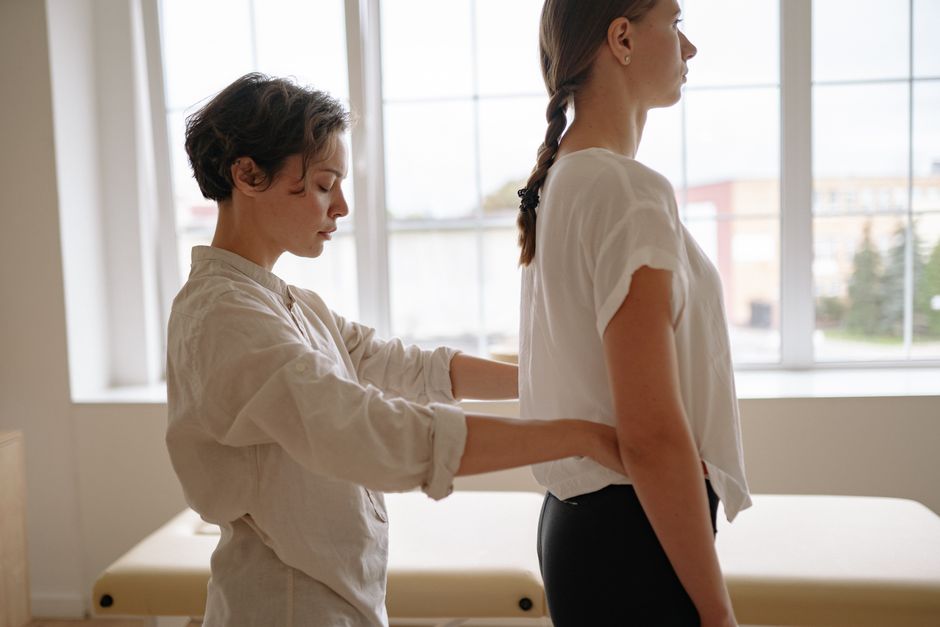
If you have ever watched an autistic child stand, walk, or sit and noticed something different about the way they hold their body, you are not imagining it. Postural differences in autism are real, measurable, and well documented in the research literature. They are not a behavior problem, a discipline issue, or a sign that a child is simply “not trying” to sit or stand correctly.
The root causes come down to how the brain and body communicate. Autistic individuals often show differences in motor planning, muscle tone regulation, balance processing, and the integration of sensory signals that tell the body where it is in space. These differences originate in the nervous system, not in the muscles themselves. Understanding what drives them helps parents, educators, and clinicians respond with support rather than correction.
What Causes Postural Differences In Autism?
Postural control depends on a constant conversation between several systems: the inner ear, the eyes, receptors in muscles and joints, and the brain regions that organize all that information into a stable stance or seated position. In autism, research consistently shows differences in how these systems coordinate.
Three broad mechanisms appear repeatedly in the literature:
- Motor planning differences. The brain’s ability to plan and sequence movement, sometimes called praxis, tends to develop differently in autistic people. This can make it harder to automatically adjust posture when standing still or shifting weight.
- Sensory integration differences. The vestibular system, which lives in the inner ear and detects head position and movement, may send signals that the brain processes differently. This affects balance and the sense of where the body is in space.
- Muscle tone regulation. Many autistic individuals have differences in muscle tone, including low tone (hypotonia) or inconsistent tone. Tone is controlled by the nervous system, not by muscle strength itself.
These are not separate problems. They overlap and reinforce each other. A child with differences in motor planning may also have sensory processing differences, and both can affect how they sit, stand, or walk.
How Does the Nervous System Affect Posture in Autism?
The cerebellum and the basal ganglia are two brain regions heavily involved in posture and movement. Both have been studied extensively in autism research. Imaging studies have found structural and functional differences in these areas in many autistic individuals compared to non-autistic peers.
The cerebellum helps fine-tune movement and balance. The basal ganglia help initiate and regulate movement patterns. When these regions develop or connect differently, the result can show up as:
- Difficulty holding a steady standing position for long periods
- A tendency to lean, slump, or shift weight frequently
- Delayed development of head control, sitting, or walking in early childhood
- Unusual gait patterns, such as toe walking or a wide-based stance
It is worth noting that these differences are not universal. Some autistic individuals have no noticeable postural issues at all. Others have significant challenges. The range reflects the broad variability within autism itself.
Is Low Muscle Tone Common in Autism?
Low muscle tone, or hypotonia, is frequently reported in autistic children, particularly in early childhood. Hypotonia is not the same as muscle weakness. A child with low tone can still have normal muscle strength. The issue is that the muscles rest in a more relaxed state and respond more slowly to signals from the nervous system.
Hypotonia can affect posture in obvious ways. A child may slump in a chair, have difficulty holding their head upright for extended periods, or appear to tire quickly during physical activity. They may also prefer to lean on furniture or people for support.
The exact prevalence of hypotonia in autism is not firmly established. Estimates vary widely across studies, partly because tone is assessed differently in different clinical settings. Some clinicians use physical examination, others rely on parent report, and there is no single standardized measure used across all research.
What is clear is that tone differences are common enough that they should be evaluated when postural concerns arise. A physical therapist or pediatric neurologist can assess tone and recommend support if needed.





How Do Sensory Processing Differences Contribute?
Sensory processing differences are a core feature of autism for many individuals. When it comes to posture, the vestibular and proprioceptive systems matter most.
The vestibular system detects head position and movement. It tells the brain whether you are upright, tilted, or moving. The proprioceptive system detects body position through receptors in muscles and joints. Together, they create a sense of where your body is in space.
In autism, these systems may send signals that are weaker, stronger, or differently timed than in non-autistic people. The brain then has to work harder to interpret those signals and produce a stable posture. This can look like:
- Frequent fidgeting or shifting while seated
- Preference for deep pressure or tight clothing
- Avoidance of activities that require balance, such as bike riding or sports
- Seeking movement, such as rocking or spinning
These behaviors are often attempts to regulate sensory input, not signs of defiance. Understanding this changes how adults respond.
Are Postural Differences in Autism Related to Developmental Coordination Disorder?
Many autistic individuals also meet criteria for developmental coordination disorder (DCD), a condition marked by significant difficulty with motor skills that affects daily life. DCD is a separate diagnosis, but it commonly co-occurs with autism.
Research suggests that motor coordination difficulties are far more common in autistic people than in the general population. Some studies indicate that a majority of autistic children show motor delays or coordination challenges significant enough to affect daily functioning. These challenges can include posture, balance, and gait.
When autism and DCD occur together, postural differences tend to be more pronounced. This is one reason why a full evaluation by a developmental pediatrician or occupational therapist can be useful. It helps separate what is driven by autism, what is driven by DCD, and what may stem from both.
Do Postural Differences Change Over Time?
Postural control typically improves with age as the nervous system matures and as children gain experience with movement. For autistic individuals, the trajectory varies. Some children improve significantly with therapy and practice. Others continue to show differences into adolescence and adulthood.
There is no single timeline that applies to everyone. Some research suggests that motor differences in autism may persist across the lifespan, though the severity and type of difference can shift. A child who had trouble sitting still may become an adult with subtle balance differences that are only noticeable in certain situations.
What helps is consistent support. Physical therapy, occupational therapy, and adapted physical education can all address postural and motor skills. The goal is not to make an autistic person move like a non-autistic person. The goal is to build comfort, safety, and function.
What Does Not Cause Postural Differences in Autism?
Several myths circulate about what causes postural differences in autism. It is worth addressing them directly.
Poor parenting does not cause postural differences. Neither does laziness, lack of discipline, or too much screen time. These explanations are not supported by research and can lead to blame rather than support.
Vaccines do not cause autism or postural differences. This has been studied extensively, and the evidence does not support a link.
Diet, supplements, and alternative therapies marketed to “fix” posture in autism have not been shown to change the underlying neurological differences. Some may carry risks. Parents should be cautious about any product or program that promises to correct posture by addressing autism itself.
The honest position is that postural differences in autism stem from differences in brain development and sensory processing. They are not caused by anything a parent did or did not do.
When Should Postural Differences Be Evaluated?
Postural differences alone are not necessarily a problem. Many autistic people live full, active lives with their posture differences. Evaluation makes sense when there is pain, frequent falls, difficulty with daily activities, or a noticeable decline in function.
A physical therapist can assess balance, gait, and muscle tone. An occupational therapist can look at how posture affects daily tasks like sitting at a desk, eating, or dressing. A pediatric neurologist may be involved if there are concerns about underlying neurological conditions.
There is no single test for postural differences in autism. Assessment is clinical, based on observation, history, and standardized motor tests. This is one area where the evidence base is still developing, and clinical judgment plays a large role.
Frequently Asked Questions
What causes postural differences in autism?
Postural differences in autism are caused by differences in how the brain and nervous system control movement, balance, and muscle tone. They are not caused by poor behavior, parenting, or lack of effort.
Is low muscle tone always part of autism?
No, low muscle tone is common but not universal in autism. Some autistic individuals have typical tone, while others have low or inconsistent tone that affects posture and movement.
Can postural differences in autism be improved?
Physical therapy, occupational therapy, and practice can improve comfort, safety, and function for many autistic people. The underlying neurological differences do not go away, but skills and support can make a meaningful difference.
Do postural differences mean my child has a serious medical condition?
Not necessarily. Postural differences are common in autism and often reflect differences in motor planning, sensory processing, or muscle tone. Evaluation is recommended if there is pain, frequent falls, or difficulty with daily activities.
