
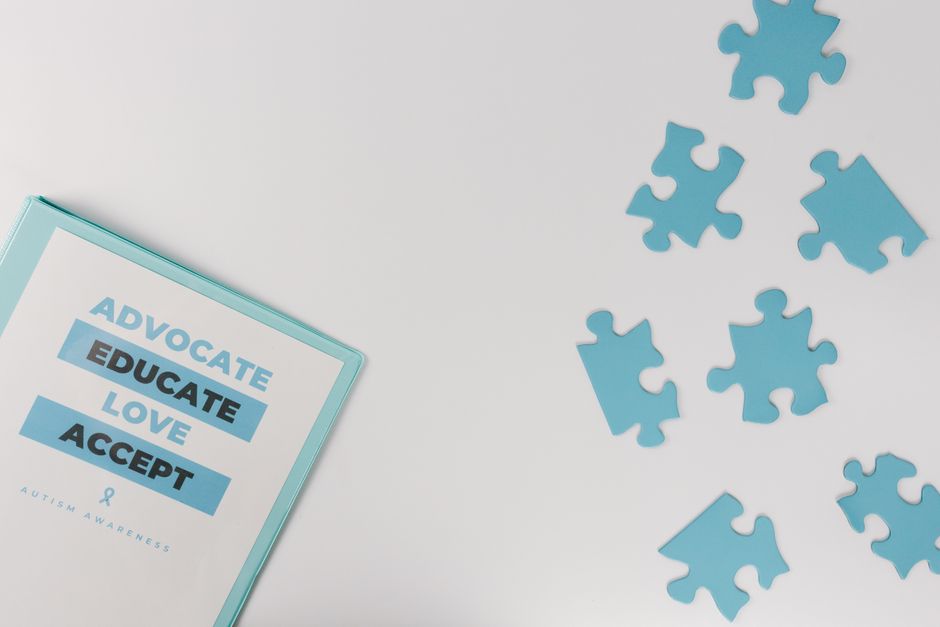
Autism spectrum disorder is a developmental condition that affects how a person communicates, learns, and interacts with others. It is not a disease and it is not caused by parenting. It is a difference in brain development that begins before birth and lasts a lifetime.
What Is ASD Autism Spectrum Disorder Explained?
Autism spectrum disorder, often shortened to ASD, is a neurodevelopmental condition defined by differences in two main areas: social communication and interaction, and restricted or repetitive patterns of behavior, interests, or activities.
The word “spectrum” is doing real work here. Two people with the same diagnosis can have very different abilities and support needs. One may speak fluently and hold a job. Another may be nonverbal and need daily help. Both can have ASD.
ASD is diagnosed by looking at behavior and development, not by a blood test or a brain scan. That is one reason diagnosis can be complex and why it sometimes happens later than it should.
How Common Is Autism and Who Does It Affect?
Autism is diagnosed in people of every race, ethnicity, and economic background. It is roughly three to four times more common in boys than in girls, though the reasons for that gap are still debated.
Some of that difference may be real biology. Some may reflect how autism is recognized. Girls often show different patterns and may be better at masking social difficulties, which can delay or hide a diagnosis.
Estimates of how many people have autism have risen over recent decades. Researchers generally attribute much of that rise to broader diagnostic criteria, better awareness, and more screening — not to a true explosion in cases. That said, the exact contribution of each factor is not fully settled.
What Are the Core Signs and Symptoms?
Signs of ASD usually appear in early childhood, often in the first two years of life. The specific signs vary widely, but they cluster around social communication and repetitive behavior.
In social communication, a person may:
- Avoid or make inconsistent eye contact
- Not respond to their name by an expected age
- Have trouble reading facial expressions or tone
- Struggle to hold back-and-forth conversation
- Take language literally and miss sarcasm or jokes
- Show less interest in sharing enjoyment with others
In behavior and interests, a person may:
- Repeat words or phrases
- Line up toys or objects in a set order
- Get very upset by small changes in routine
- Have intense, focused interests
- React strongly or unusually to sound, light, or touch
- Make repetitive movements such as rocking or hand-flapping
Not every person has every sign. Severity ranges from mild to profound, and strengths often sit alongside challenges. Many people with ASD have strong memory, pattern recognition, or deep focus in areas that interest them.





What Causes Autism Spectrum Disorder?
There is no single cause. Research points to a combination of genetic and environmental factors that shape brain development before and shortly after birth.
Genetics play a major role. Autism tends to run in families, and studies of twins show that identical twins are far more likely to share the diagnosis than fraternal twins. Many different genes are involved, and no single gene accounts for most cases.
Some environmental factors during pregnancy have been linked to a higher chance of autism. These include certain infections, exposure to some medications such as valproate, and complications around birth. These factors appear to raise risk modestly and do not by themselves cause autism.
One thing is clear and worth stating plainly: vaccines do not cause autism. This question has been studied repeatedly in large populations, and the evidence consistently shows no link. The original claim came from a paper that was later retracted and its author lost his medical license.
Parenting style does not cause autism either. This was once a common belief. It is wrong and it caused real harm to families.
How Is Autism Diagnosed?
There is no medical test for autism. Diagnosis is based on a detailed review of a person’s development and behavior, usually by a team that may include a developmental pediatrician, psychologist, speech therapist, and others.
For young children, clinicians observe play, communication, and social behavior. They ask parents detailed questions about milestones. They may use structured tools designed to assess autism signs. They also rule out other conditions that can look similar, such as hearing loss or certain language disorders.
Diagnosis is generally considered reliable when made by experienced clinicians. It can still be missed, especially in girls, in people with milder traits, and in adults who learned to compensate over time.
Many children can be diagnosed by age two or three. Some are identified earlier, and some — particularly those with subtler signs — are not diagnosed until school age or adulthood.
What Support and Treatments Are Available?
There is no cure for autism, and most autistic adults and clinicians do not frame autism as something to be cured. The goal of support is to improve communication, daily functioning, and quality of life.
The most studied approach for young children is behavioral therapy that builds communication and social skills. Applied behavior analysis, or ABA, is the most widely used of these. Evidence shows it can help with language and daily skills, though how much it helps varies, and some autistic adults have raised concerns about certain methods. The evidence on long-term outcomes is mixed, and approaches continue to evolve.
Speech and language therapy can help with communication. Occupational therapy can help with sensory and motor challenges. For some people, medications may help with specific symptoms such as anxiety, irritability, or difficulty focusing, though no medication treats autism itself.
Support needs change over a lifetime. What helps a toddler may not help a teenager or an adult. Early support tends to help most, but it is never too late to benefit from the right kind of help.
One point worth making: much of what is marketed as autism treatment has weak or no evidence behind it. Parents should be cautious of any product or program that promises a cure. No supplement, diet, or device has been shown to cure autism.
Why Is Autism Called a Spectrum?
The word “spectrum” reflects the wide range of ways autism shows up. It is not a single condition with one severity level. It is a broad category that includes people with very different strengths and needs.
The current diagnostic system uses one umbrella diagnosis, autism spectrum disorder, rather than separate subtypes like Asperger’s syndrome. This change was made to reflect that the boundaries between subtypes were not clear and that support needs matter more than labels.
Two people can share the diagnosis and have almost nothing else in common in how they function day to day. This is why individual assessment matters more than the label itself.
Is There a Way to Prevent Autism?
No. There is no known way to prevent autism, and there is no evidence that any diet, supplement, or lifestyle change prevents it.
Some risk factors, like certain genetic conditions, cannot be changed. A few pregnancy-related factors are worth discussing with a doctor, such as avoiding known high-risk medications during pregnancy when possible. But most cases cannot be traced to a single preventable cause.
Claims that autism can be prevented through specific diets, detoxes, or alternative therapies are not supported by evidence. Families should be cautious of anyone selling prevention.
Frequently Asked Questions
Is autism a disability or just a difference?
It can be both. Autism is a real developmental condition that often creates genuine challenges, and many autistic people also see it as part of their identity rather than something to fix.
Can autism be cured?
No. Autism is a lifelong developmental condition, and there is no cure. Support and therapy can improve skills and quality of life, but they do not remove autism.
At what age can autism be diagnosed?
Many children can be diagnosed by age two or three, and some signs appear in the first year. Milder cases are sometimes not identified until school age or adulthood.
Do vaccines cause autism?
No. Large population studies have repeatedly found no link between vaccines and autism. The claim traces back to a retracted paper that has been discredited.
