
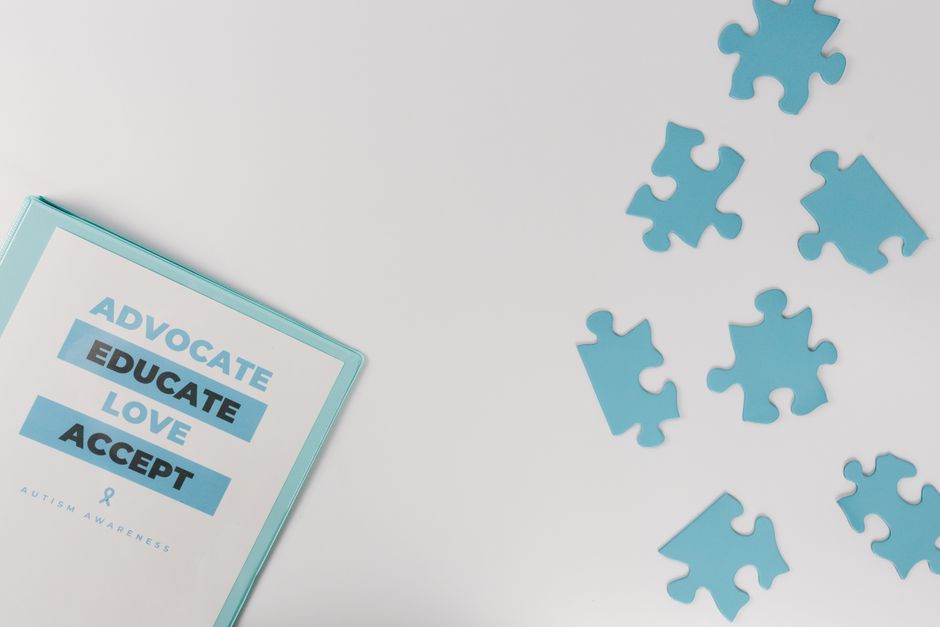
“Tism” is internet slang for autism. It is a shortened, casual form of the word, used mostly online by autistic people and in neurodivergent communities. You will see it in memes, TikTok captions, and forum posts, often in phrases like “the ’tism” or “my ’tism.” It is not a medical term, and you will not find it in a diagnostic manual or a doctor’s chart.
The word carries real weight for the people who use it. For some, it is a comfortable, low-pressure way to name part of their identity. For others, it lands as a slur or a joke at their expense. Both reactions are real, and the difference usually comes down to who is saying it and why.
Where Did the Word “Tism” Come From?
The term grew out of online autistic communities, not clinical settings. As autistic people built spaces to talk to each other on platforms like Reddit, Tumblr, and later TikTok, they shortened “autism” the way the internet shortens most things. “Tism” is faster to type and softer in tone than the clinical word.
The shortened form does something specific. “Autism” carries a history of being discussed by doctors and parents rather than autistic people themselves. “Tism” flips that. It reads as casual, in-group, and self-owned. A person saying “my ’tism” is usually claiming the trait rather than describing a diagnosis handed to them.
This kind of language shift is common. Communities often reclaim or reshape clinical words. What makes “tism” different is that it started as an in-group term rather than a slur being taken back. That matters for how it is received, and it explains why the same word can feel welcoming in one post and hostile in another.
What Does “Tism” Actually Mean in a Sentence?
In practice, “tism” almost always means autism, but the tone shifts with context. The meaning stays constant; the intent does not.
- Self-reference: “My ’tism made me reorganize the whole shelf at 2 a.m.” Here it names a trait the speaker is claiming as their own.
- Affectionate in-group talk: “The ’tism is strong today.” Common among autistic people describing shared experiences.
- Mocking: “You’re so tismed.” Used by others to make fun of someone, often without their consent.
- Casual shorthand: “I think I have a touch of the ’tism.” Sometimes genuine, sometimes flippant.
Notice that the word itself does not change. The speaker and the target do. When an autistic person uses it about themselves, it usually signals comfort and identity. When a non-autistic person uses it about someone else as an insult, it signals something else entirely.
One clarification worth making: “tism” is not a clinical category and does not describe a subtype or severity level. It is not the same as terms like “high-functioning” or “level 1,” which come from clinical and diagnostic frameworks and carry their own problems. “Tism” is slang, full stop.
Is “Tism” Offensive or a Slur?
It depends on who is using it and how. There is no single rule, and anyone who tells you there is one is oversimplifying.
For many autistic people, “tism” is a neutral or positive word. It is part of how they talk about themselves. In that context, calling it a slur would be wrong. It is their word, used on their terms.
But the same word can be used as a weapon. When a non-autistic person uses “tism” to mock someone, to imply they are weird or broken, or to laugh at autistic traits, it functions as a put-down. The word is not inherently a slur, but it can be used slurringly. That distinction matters.
A rough guide that holds up in most situations:
- An autistic person using “tism” about themselves: usually fine, often affirming.
- An autistic person using it with other autistic people: usually fine, in-group language.
- A non-autistic person using it about themselves as a joke: often seen as trivializing.
- A non-autistic person using it about someone else to mock them: widely seen as offensive.
The safest approach, if you are not autistic, is to not use the word about other people. If you are autistic, it is yours to use or reject as you see fit.





Why Do Some Autistic People Embrace the Term?
Language is one of the few things a marginalized group can control. For many autistic people, “tism” is a small act of that control.
The clinical word “autism” comes loaded. It has been used in research, in schools, and in media in ways that often centered non-autistic people — parents, doctors, researchers — while talking about autistic people as subjects rather than speakers. Shortening the word and using it casually is a way of taking it back.
There is also a practical side. “Tism” is less formal, which makes it easier to drop into a joke or a passing comment. It lowers the emotional temperature of a word that can feel heavy. For someone who has spent years hearing autism discussed as a problem to be solved, being able to say “my ’tism” with a laugh can feel like relief.
This is not universal. Some autistic people dislike the term, find it infantilizing, or associate it with the same mocking they have experienced from others. Both positions exist within the community, and neither is wrong.
How Is “Tism” Different From “Autism” or “Autistic”?
The difference is register, not meaning. “Autism” is the clinical and formal term. “Autistic” is the adjective, and many autistic people prefer it to person-first language like “person with autism,” though preferences vary and both are used.
“Tism” sits below both in formality. It is slang, used in casual speech and online. It would be out of place in a medical record, a school meeting, or a job interview. It fits in a group chat, a meme, or a conversation between friends.
None of these words describe different conditions. They describe the same thing at different levels of formality and with different social signals attached.
What Is Autism, Beyond the Slang?
Autism is a developmental condition that affects how a person communicates, interacts socially, and processes sensory information. It is diagnosed based on behavioral criteria, not a blood test or a scan. The current diagnostic framework in the United States, the DSM-5, describes autism as a spectrum, meaning the traits and support needs vary widely from person to person.
Autism is not a disease and does not have a cure. It is a lifelong neurological difference. Some autistic people need significant support in daily life. Others need little or none. The spectrum is broad, and two autistic people can look very different from each other.
Common traits can include differences in social communication, a preference for routine, intense focus on specific interests, and either heightened or reduced sensitivity to sensory input like sound, light, or texture. Not every autistic person has every trait, and the same trait can show up very differently across people.
If you are reading this because you recognize yourself in these descriptions, that is worth taking seriously. Self-recognition is often the first step people take before seeking a formal evaluation. A clinician experienced in adult autism can help sort out whether what you are noticing fits the diagnostic criteria. Slang like “tism” is not a diagnosis, and no online quiz is either.
Why Does Slang Like This Matter?
Words shape how people see themselves and each other. When a community invents its own language, it is doing more than being casual. It is building a shared identity and pushing back against being described only by outsiders.
“Tism” is a small example of a larger pattern. It shows how language moves from clinical to casual, and how the people a word describes can reshape it. Whether you use it, avoid it, or just want to understand it when you see it, knowing where it comes from helps you read the room.
The short version: “tism” means autism, it comes from autistic online communities, and whether it lands as friendly or hurtful depends almost entirely on who is saying it and about whom.
Frequently Asked Questions
What does “tism” mean in slang?
“Tism” is a shortened, casual form of the word “autism” used mostly online. It is not a medical term and does not describe a diagnosis or subtype.
Is “tism” a slur?
Not inherently, but it can be used as one. When autistic people use it about themselves it is usually neutral or affirming, while non-autistic people using it to mock someone is widely seen as offensive.
Can non-autistic people say “tism”?
There is no rule that stops them, but many autistic people see it as inappropriate when used by outsiders, especially about someone else. The safest choice for non-autistic people is to avoid using it about others.
Is “tism” the same as autism?
Yes, it refers to the same condition, just in casual slang form. “Autism” is the clinical term and “tism” is the informal one.
