
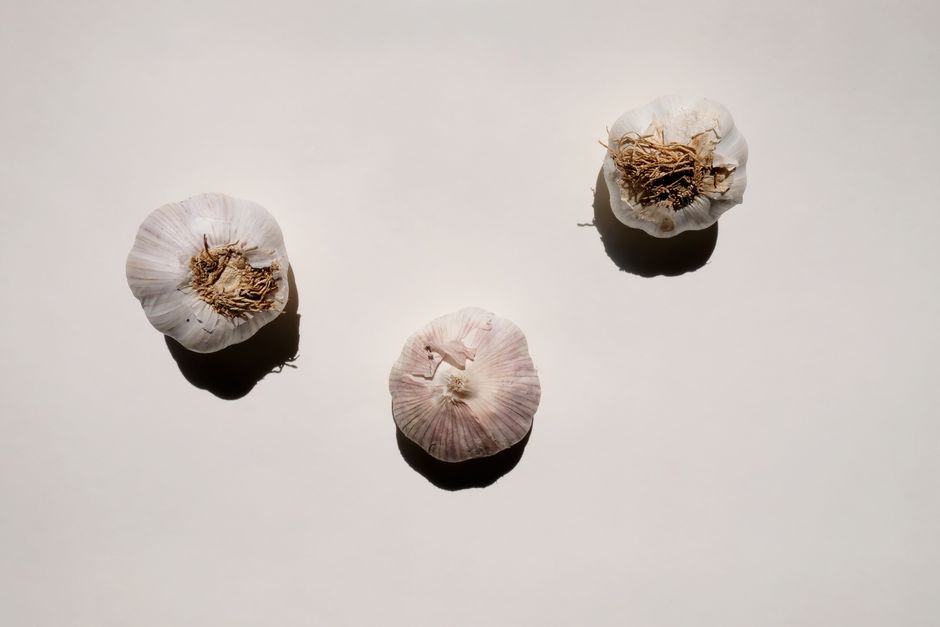
Yes, garlic leaves are edible. The green shoots and flat leaves that grow above the garlic bulb are safe to eat and have a milder flavor than the cloves themselves. You can use them like you would use chives, green onions, or scallions. The younger the leaf, the more tender it is, and the entire above-ground plant is technically edible at every stage of growth.
Are Garlic Leaves Edible Uses Safety And Harvesting?
Garlic leaves are not just edible — they are a versatile kitchen ingredient. They taste like a gentle version of garlic, without the sharp bite of a raw clove. Many people describe the flavor as a cross between garlic and fresh grass or scallions. This makes them useful in salads, stir-fries, soups, and sauces where raw garlic might be too strong.
The leaves are most commonly harvested from hardneck garlic varieties, which produce a curled flower stalk called a scape. But the flat green leaves that grow before the scape appears are also edible. You can pick them at any point during the growing season, though the texture changes as the plant matures.
What Do Garlic Leaves Look Like and How Do You Identify Them?
Garlic leaves are flat, long, and pointed. They grow upward from the base of the plant and have a slight V-shape in cross-section. The color ranges from bright green to blue-green depending on the variety. The leaves feel firm and waxy, not fuzzy or hairy.
If you are growing garlic in your garden, identification is simple. You planted the cloves, and these are the leaves that came up. If you are foraging or buying from a market, look for leaves that smell like garlic when crushed. A quick sniff test is the most reliable way to confirm what you have. Avoid any plant that looks similar but has no garlic smell — it may be a different plant entirely.
Do not confuse garlic leaves with garlic scapes. Scapes are the curly flower stalks that appear in late spring. Leaves are the flat green blades that grow all season. Both are edible, but they have different textures and uses.
What Do Garlic Leaves Taste Like and How Do You Cook With Them?
Garlic leaves taste like mild garlic with a fresh, green note. The flavor is closer to chives than to garlic cloves. Raw leaves have a slight bite, but cooking softens them quickly and removes most of the sharpness.
Young leaves are tender enough to eat raw in salads or use as a garnish. Mature leaves are tougher and benefit from cooking. You can chop them and add them to:
- Stir-fries and sautés
- Omelets and scrambled eggs
- Soups and broths
- Pesto and green sauces
- Butter or cream cheese spreads
- Pasta dishes
Use garlic leaves as a substitute for spinach in cooked dishes, but expect a milder flavor. They cook down significantly, so use more than you think you need. A large handful of chopped leaves will reduce to about a quarter of its original volume when cooked.




Are Garlic Leaves Safe for Everyone to Eat?
Garlic leaves are safe for most people. They belong to the Allium family, the same group as onions, leeks, and chives. Anyone who can eat those foods can generally eat garlic leaves without issue.
People with a true garlic allergy should avoid them. Garlic allergy is rare but real. If you have had a reaction to garlic cloves, you should not eat the leaves either. The same proteins that trigger reactions in the bulb are present in the leaves.
People taking blood-thinning medications should be mindful. Garlic in large amounts can have a mild blood-thinning effect. Eating a few leaves in a meal is unlikely to cause problems, but eating large quantities regularly might matter. If you take warfarin or other anticoagulants, talk to your doctor before adding large amounts of garlic greens to your diet.
Wild garlic leaves require extra caution. If you are foraging, be certain you have true garlic and not a lookalike. Lily of the valley and autumn crocus have leaves that resemble wild garlic and both are toxic. The garlic smell test is your best defense — if it does not smell like garlic, do not eat it.
When and How Do You Harvest Garlic Leaves?
You can harvest garlic leaves at any point during the growing season. The best time depends on how you plan to use them.
For tender, salad-ready leaves, harvest in early spring when the plant is young. The leaves are thin, mild, and delicate. In many regions, this is around March or April, depending on when you planted.
For cooking leaves, harvest in late spring before the plant flowers. The leaves are larger and more substantial but still tender enough to cook quickly. Once the scape forms, the lower leaves start to yellow and dry out. These older leaves are edible but tough and fibrous.
Harvesting method matters. Do not pull the whole plant unless you want to harvest the bulb early. Instead, cut individual outer leaves at the base with scissors or a knife. Leave the inner leaves and the central growing point intact. The plant will continue producing new leaves.
You can take up to one-third of the leaves at a time without harming the plant. Taking more than that stresses the garlic and can reduce bulb size at harvest time. If you are growing garlic for the bulbs, be conservative with leaf harvesting.
Can You Eat Garlic Scapes Too?
Yes. Garlic scapes are the curly flower stalks that emerge from hardneck garlic plants in late spring. They are entirely edible and considered a delicacy by many cooks.
Scapes have a firmer texture than leaves and a slightly stronger garlic flavor. They are excellent grilled, roasted, or chopped into pesto. The key is to harvest them while they are still tender and curled. Once the scape straightens and the flower bud opens, it becomes woody and less pleasant to eat.
Cutting the scape also benefits the garlic bulb. When you remove the flower stalk, the plant directs more energy into bulb growth. So harvesting scapes is both a culinary win and a gardening best practice.
How Do You Store Garlic Leaves?
Fresh garlic leaves do not last long. They are leafy greens and will wilt within a few days in the refrigerator. Store them in a plastic bag with a damp paper towel. They will stay crisp for about three to five days.
Do not wash the leaves before storing. Moisture speeds up spoilage. Wash them right before you use them instead.
For longer storage, you have two good options. The first is freezing. Chop the leaves and freeze them in an ice cube tray with water or oil. The cubes can be dropped directly into soups and sauces. The second is drying. Garlic leaves dry well and can be crumbled into dishes like a mild garlic herb. Dried leaves lose some flavor but remain useful.
Do not can garlic leaves at home. Garlic is a low-acid vegetable, and home canning of low-acid foods carries a risk of botulism if done improperly. Freezing or drying is safer and simpler.
Are Garlic Leaves Nutritious?
Garlic leaves are a green vegetable, so they offer the usual benefits of greens. They contain vitamins A and C, along with small amounts of fiber and minerals. The exact nutrient profile has not been studied as thoroughly as the garlic bulb itself, so precise numbers are not available.
What is known is that all parts of the garlic plant contain organosulfur compounds. These are the compounds responsible for garlic’s characteristic smell and many of its potential health benefits. The leaves contain these compounds in lower concentrations than the cloves, which is why they taste milder.
Some research suggests that garlic consumption may support cardiovascular health and immune function. Whether the leaves provide the same benefits as the bulb is not well established. The evidence on garlic’s health effects comes mostly from studies on the bulb or aged garlic extracts, not the leaves. Treat garlic leaves as a flavorful green vegetable rather than a medicine.
Common Mistakes When Using Garlic Leaves
The most common mistake is using mature leaves like young ones. Older leaves are tough and stringy. If you have large, mature leaves, cook them thoroughly or chop them very finely. Do not put them in a raw salad unless you enjoy chewing.
Another mistake is discarding the leaves when harvesting bulbs. If you pull up a whole garlic plant in summer, the leaves are still edible. Use them immediately or freeze them. They may be tough, but they add flavor to stocks and soups.
A third mistake is confusing garlic leaves with onion leaves. The two look similar. The smell test solves this problem — garlic leaves smell like garlic, and onion leaves smell like onion. Both are edible, so the confusion is not dangerous, but it can change the flavor of your dish.
Frequently Asked Questions
Can you eat garlic leaves raw?
Yes, young garlic leaves are safe to eat raw and taste like mild garlic with a fresh green note. Mature leaves are tougher and better cooked.
Do garlic leaves taste like garlic?
They taste like a milder version of garlic, closer to chives or scallions than to raw garlic cloves. Cooking softens the flavor further.
Can you harvest garlic leaves without killing the plant?
Yes, cut individual outer leaves at the base and leave the inner leaves intact. Take no more than one-third of the leaves so the plant can keep growing.
Are garlic leaves safe for dogs and cats?
No, garlic in any form is toxic to dogs and cats, including the leaves. Keep garlic plants and leaves away from pets.
