
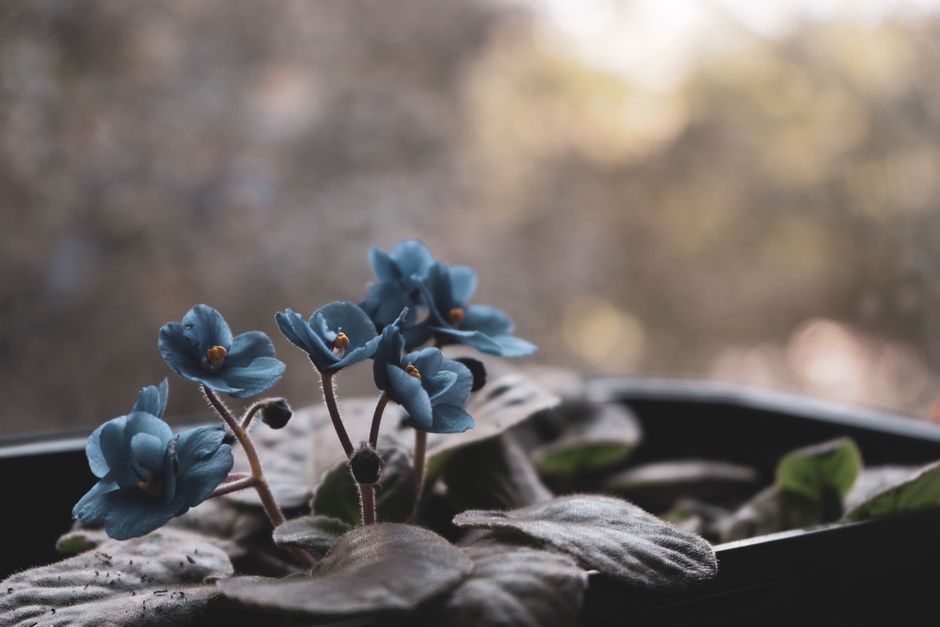
African violets are prized for their deep green, fuzzy leaves. When those leaves turn pale, it is a clear signal the plant is stressed. The most common cause is too much light, but watering problems, nutrient shortages, and temperature swings can also wash out the color. Fixing pale leaves means identifying the specific stressor and correcting it before the plant suffers permanent damage.
Why Do African Violet Leaves Turn Pale?
Pale leaves on an African violet usually mean the plant is not photosynthesizing efficiently. Chlorophyll gives leaves their green color. When chlorophyll production drops, the leaf color fades to a lighter green, yellow, or even whitish tone.
The most frequent culprit is excessive light. African violets are understory plants in their native East Africa. They evolved to receive filtered, dappled sunlight, not direct rays. When light is too intense, the plant cannot protect itself, and chlorophyll breaks down. This is a stress response, not a disease.
Other causes include overwatering, which damages roots and prevents nutrient uptake. Underwatering creates similar problems. A lack of nitrogen, the nutrient plants need most for chlorophyll, will also produce pale leaves. Temperature extremes and low humidity add further stress.
How Much Light Do African Violets Actually Need?
African violets need bright, indirect light. A north or east-facing window is often ideal. South and west windows usually provide too much direct sun, especially in summer.
If you grow African violets under artificial lights, keep the lights about 10 to 12 inches above the plant. Run them for 12 to 14 hours per day. Many growers use a timer for consistency. If leaves turn pale, move the plant farther from the light source or reduce the number of hours the light stays on.
Here is a quick way to test light levels. Place your hand between the plant and the light source. If your hand casts a sharp, distinct shadow, the light is too strong for an African violet. A soft, blurry shadow indicates suitable brightness.
What Does Overwatering Do to Leaf Color?
Overwatering is the second most common cause of pale leaves. When roots sit in soggy soil, they cannot access oxygen. Root cells begin to die, and the plant’s ability to absorb water and nutrients collapses.
Even though the soil is wet, the plant experiences a drought at the root level. Leaves lose their deep green color and may also become limp or translucent. This condition is often called “wet wilt” because the plant looks thirsty despite having wet feet.
African violets prefer soil that is evenly moist but never waterlogged. The top inch of soil should feel dry before you water again. Always use a pot with drainage holes. Never let the pot sit in standing water for more than 30 minutes.
If you suspect overwatering, check the roots. Healthy roots are firm and white or tan. Rotten roots are brown, mushy, and may smell sour. If root rot has set in, you may need to repot the plant in fresh, well-draining soil.





Can Underwatering Make Leaves Pale?
Yes, underwatering causes pale leaves too. When an African violet does not get enough water, the plant closes its stomata to conserve moisture. This reduces gas exchange and slows photosynthesis. Chlorophyll production drops, and leaves lose their rich color.
Underwatered leaves often look dull and slightly wrinkled before they turn pale. The leaf edges may curl downward. The soil will pull away from the sides of the pot, a clear sign the root ball has dried out completely.
To fix this, water thoroughly until water runs out of the drainage holes. Let the plant absorb moisture for about 30 minutes, then empty any excess from the saucer. The leaves should regain some color within a few days, though severely stressed leaves may not fully recover.
For consistent moisture, many growers use wick watering or self-watering pots. These systems deliver water slowly and steadily, avoiding the extremes of drought and flooding.
Which Nutrient Deficiencies Cause Pale Leaves?
Nitrogen deficiency is the most common nutrient cause of pale leaves. Nitrogen is a core component of chlorophyll. Without enough of it, the entire plant looks washed out, with older leaves affected first.
Iron deficiency produces a different pattern. New leaves turn pale or yellow while the veins stay green. This is called interveinal chlorosis. Iron deficiency in African violets is usually a pH problem rather than a true lack of iron in the soil. When the soil pH drifts above 6.5, iron becomes unavailable to the roots.
Magnesium deficiency also causes pale leaves, often with a mottled appearance between the veins. This is less common than nitrogen deficiency but can occur in plants that have not been repotted for years.
African violets are heavy feeders. They benefit from a balanced fertilizer formulated specifically for them, typically with an N-P-K ratio around 14-12-14. Fertilize every two to four weeks during active growth. Always dilute the fertilizer to half strength to avoid burning the roots.
How Do Temperature and Humidity Affect Leaf Color?
African violets prefer temperatures between 65°F and 75°F (18°C to 24°C). Temperatures outside this range stress the plant. Cold drafts and sudden temperature drops are especially damaging.
When a plant is exposed to cold, its metabolism slows. Nutrient uptake decreases, and chlorophyll production falls. Leaves may turn pale, then develop brown spots or mushy patches if the cold exposure continues.
Heat stress produces a different response. Leaves may turn pale or yellowish, and the plant may stop flowering. High temperatures also increase water loss, compounding the stress.
Humidity matters too. African violets prefer 50 to 60 percent relative humidity. In dry indoor air, especially during winter, the plant loses water through its leaves faster than the roots can replace it. This creates chronic mild stress that shows up as pale foliage.
You can raise humidity by placing a tray of water with pebbles near the plant. Do not mist the leaves. Water droplets on African violet foliage can cause brown spots and encourage fungal diseases.
Should You Remove Pale Leaves?
Yes, once you have corrected the underlying problem, remove severely pale leaves. A leaf that has lost most of its chlorophyll will not regain its color. It will continue to consume the plant’s energy without contributing much through photosynthesis.
Use clean, sharp scissors or a knife. Cut the leaf stem close to the main stem of the plant. Removing damaged leaves also improves air circulation around the remaining foliage, which reduces the risk of fungal diseases.
If only the outer ring of leaves is pale, remove just those. The inner crown of leaves often retains better color because it receives slightly less light. New growth after correcting the problem should emerge with proper green color.
How Long Does Recovery Take?
Once you fix the cause, expect to see improvement within one to two weeks. New leaves that emerge after the correction will have normal color. Existing pale leaves will not recover their original shade, which is why removal is recommended.
Full recovery of the plant’s appearance can take four to six weeks. This timeline assumes the roots were not severely damaged. If root rot was extensive, recovery takes longer and may require repotting into fresh soil.
Be patient. African violets are resilient but they respond slowly. Do not overcorrect by fertilizing heavily or moving the plant to a radically different location. Make one change at a time and observe the response.
Can Pale Leaves Be a Sign of Disease?
Occasionally, pale leaves indicate a viral or fungal infection. However, these are less common than environmental stress. If you have ruled out light, water, nutrients, and temperature, consider disease.
Some viruses cause mosaic patterns of light and dark green on leaves. These viruses have no cure. The plant should be discarded to prevent spread to healthy plants. Fungal infections typically produce spots, not uniform paleness, so they are easier to distinguish.
Pests such as spider mites and thrips can also cause leaf discoloration. Check the undersides of leaves with a magnifying glass. Fine webbing suggests spider mites. Tiny, elongated insects suggest thrips. Both require treatment with an appropriate insecticidal soap or horticultural oil.
Frequently Asked Questions
Why are my African violet leaves turning yellow instead of pale green?
Yellow leaves usually mean overwatering or a nitrogen deficiency. Check the soil moisture first and adjust your watering schedule before adding fertilizer.
Can I use tap water on African violets?
Tap water is acceptable if your water is not very hard. Fluoride and chlorine can cause leaf tip burn and discoloration, so letting water sit overnight before use helps.
Should I move my African violet to a brighter window if leaves are pale?
No, pale leaves usually mean too much light, not too little. Move the plant to a spot with filtered or indirect light and observe for two weeks.
How often should I fertilize an African violet with pale leaves?
Fertilize every two to four weeks with a diluted African violet fertilizer once the cause of paleness is corrected. Do not fertilize a plant that is stressed from overwatering or root damage.
