
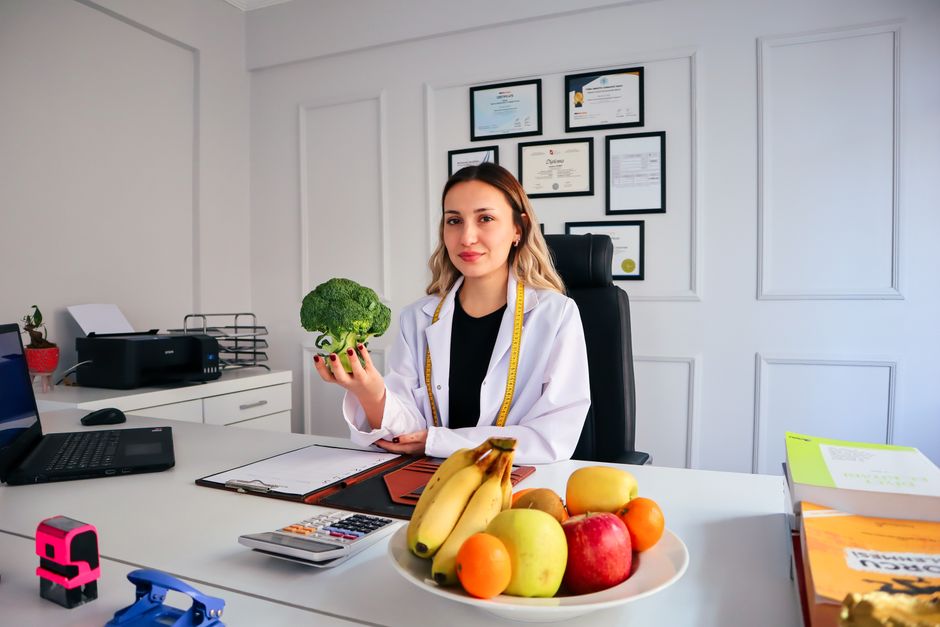
Frozen vegetables are often just as healthy as fresh ones, and sometimes healthier. They are picked at peak ripeness and frozen within hours, which locks in most vitamins and minerals. Fresh produce, by contrast, can lose nutrients during shipping and days of sitting on a shelf or in your fridge.
The short answer surprises people who assume fresh always wins. In most nutritional comparisons, frozen holds its own. The longer answer involves which nutrients you’re talking about, how the vegetables are prepared, and a few real differences worth knowing.
Are Frozen Vegetables As Healthy As Fresh Vegetables?
For most nutrients, yes. Frozen vegetables generally match or beat fresh ones that have spent days in transit and storage.
The key variable is time. A vegetable starts losing vitamins the moment it’s harvested. Vitamin C and some B vitamins are especially sensitive to heat, light, and oxygen. Produce that travels across the country and sits in a display case can lose a meaningful share of these nutrients before you ever buy it.
Frozen vegetables skip that slow decline. They’re typically blanched briefly in hot water, then flash-frozen. Blanching does cause some vitamin loss, mainly water-soluble vitamins like vitamin C. But after that, the cold stops most of the breakdown. What you cook months later is close to what was picked.
Research published in the Journal of Food Composition and Analysis and similar food science work has found that frozen produce often retains vitamin content comparable to fresh, and in some cases higher, depending on the vegetable and the time fresh produce spends in storage. The exact numbers vary by study and by vegetable, so it’s fair to say frozen is broadly comparable rather than universally superior.
Which Nutrients Survive Freezing Best?
Most vitamins and minerals survive freezing well. The process mainly affects water-soluble vitamins, and even then the losses are modest.
Minerals like potassium, calcium, magnesium, and iron are not destroyed by freezing. Fiber is unaffected. Fat-soluble vitamins like A, D, E, and K hold up well too.
Vitamin C is the nutrient most sensitive to both blanching and storage. Frozen vegetables can lose some vitamin C during blanching, but so does fresh produce over time. The gap tends to narrow or disappear once you account for how long fresh vegetables sit before being eaten.
One non-obvious point: the nutrient content of any vegetable depends more on the variety, the soil, and the harvest time than on whether it was frozen. A frozen pea from a good harvest can outshine a tired fresh pea that’s been in a truck for a week.
Does Freezing Destroy Nutrients?
Freezing itself does not destroy nutrients. The cold simply stops the clock on most nutrient loss.
What causes nutrient loss is the steps around freezing. Blanching, which is a brief hot-water dip before freezing, is the main source of vitamin loss in frozen vegetables. It’s done to deactivate enzymes that would otherwise cause off-flavors, color changes, and further vitamin breakdown during storage. Without blanching, frozen vegetables would degrade faster.
So there’s a trade-off: a small loss during blanching buys much larger protection during months of storage. On balance, frozen vegetables retain more nutrients than fresh produce that has been stored for a similar length of time.
Thawing and cooking add another layer. If you thaw frozen vegetables slowly at room temperature and let them sit, some water-soluble vitamins can leach into the liquid. Cooking methods matter too, which is covered below.



Is Fresh Always Better Than Frozen?
No. Fresh is better only when it’s genuinely fresh and eaten soon after harvest.
If you buy vegetables at a farmer’s market and cook them within a day or two, fresh likely edges out frozen for vitamin C and some B vitamins. That’s the best-case scenario for fresh produce.
For most people buying from a supermarket, the picture is different. Supermarket produce may have been harvested days or weeks earlier and shipped long distances. By the time it reaches your plate, frozen can be the better choice.
There’s also a practical dimension. Frozen vegetables are convenient and last for months, which means people are more likely to actually eat them. A slightly lower vitamin C level in a vegetable you eat regularly beats a perfect fresh vegetable that wilts in the drawer.
What About Texture and Taste?
Frozen vegetables have a different texture than fresh, and that’s the main honest trade-off.
Freezing forms ice crystals inside the vegetable’s cells. When you thaw and cook, those crystals can rupture cell walls, making the vegetable softer or mushier than fresh. This is most noticeable in vegetables with high water content, like zucchini, cucumbers, and tomatoes.
Some vegetables handle freezing much better than others. Peas, corn, green beans, spinach, and carrots tend to hold their texture well. Vegetables you plan to cook into soups, stews, or sauces lose little from freezing. Vegetables you want crisp and raw are better fresh.
Taste is usually close to fresh, especially for vegetables frozen at peak ripeness. In blind comparisons, many people can’t reliably tell the difference in cooked dishes.
How Should You Cook Frozen Vegetables?
The best cooking method depends on the vegetable, but a few principles protect nutrients across the board.
- Don’t overcook. Longer cooking times and more water mean more vitamin loss. Cook until just tender.
- Steam or microwave rather than boil. Boiling leaches water-soluble vitamins into the cooking water. Steaming and microwaving keep more nutrients in the vegetable.
- Skip the long thaw. Cooking from frozen is fine for most vegetables and reduces the time spent thawing, which limits nutrient loss.
- Use the cooking liquid if you boil. If you do boil, some vitamins end up in the water. Using that water in a soup keeps them in your meal.
There’s no strong evidence that any one method is dramatically better than another for health outcomes. The bigger factor is simply eating more vegetables, however you prepare them.
Do Frozen Vegetables Have Additives?
Plain frozen vegetables usually contain nothing but the vegetable. Check the label, though, because some products are not plain.
Bagged frozen vegetables that come with sauces, seasonings, or mixes can contain added salt, sugar, and fats. Some “steam-in-bag” products include seasoned butter or sauce packets. These add calories and sodium that plain frozen vegetables don’t have.
For the healthiest choice, look for bags where the ingredient list is just the vegetable itself. Frozen vegetables without added salt or sauce are nutritionally equivalent to their fresh counterparts and often more convenient.
The Bottom Line
Frozen vegetables are a genuinely healthy choice and often equal to fresh. They’re picked at peak ripeness, retain most of their vitamins and minerals, and are available year-round. The main differences are texture and the small nutrient loss from blanching, neither of which is a reason to avoid them.
If you want the best of both, buy fresh when it’s truly fresh and in season, and keep frozen vegetables on hand for everything else. Both belong in a healthy diet.
Frequently Asked Questions
Are frozen vegetables as healthy as fresh?
For most nutrients, yes. Frozen vegetables are often nutritionally comparable to fresh and can be higher in some vitamins if the fresh produce has spent days in storage.
Do frozen vegetables lose nutrients when cooked?
Some water-soluble vitamins like vitamin C are lost during cooking, especially boiling. Steaming or microwaving preserves more nutrients than boiling in a large volume of water.
Are frozen vegetables better than canned?
Generally, frozen vegetables retain more nutrients and usually have less added sodium than canned. Canned vegetables can still be a healthy choice, especially the no-salt-added varieties.
Can you eat frozen vegetables every day?
Yes. Frozen vegetables are a safe and nutritious part of a daily diet, and eating them regularly is a practical way to meet vegetable intake recommendations.
