
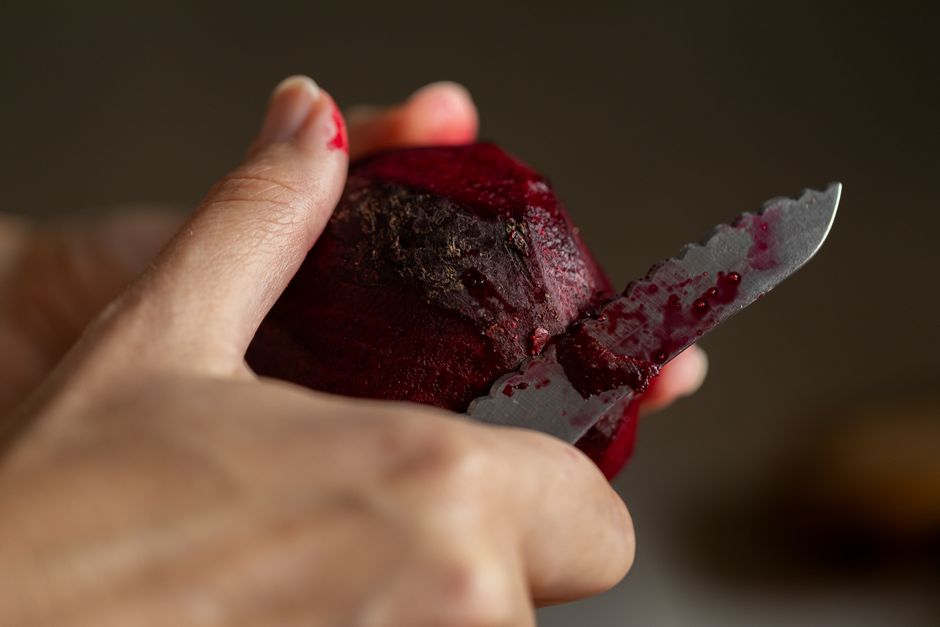
Beet root juice has become a popular health drink, and for good reason. The evidence is clear: drinking beet juice can lower blood pressure and improve athletic performance. These benefits come from naturally occurring nitrates that your body converts into nitric oxide, a molecule that relaxes blood vessels. While it is not a cure-all, the research supporting these two specific effects is strong and consistent.
What Makes Beet Juice Different From Other Vegetable Juices?
Most vegetables are healthy. Beet juice stands out because of its high concentration of dietary nitrates. This is not the same as the nitrates used to preserve processed meats, which are chemically different and carry health risks.
When you drink beet juice, your body converts these plant nitrates into nitric oxide. Nitric oxide acts as a signaling molecule in your body. Its main job is to tell blood vessels to relax and widen. This process is well understood and has been confirmed in many human studies.
Other vegetables like spinach, arugula, and celery also contain nitrates. But beets are one of the most concentrated sources available in juice form. A standard 250 ml glass of beet juice delivers roughly the same amount of nitrates as a large serving of spinach.
Can Beet Juice Lower Blood Pressure?
Yes. Multiple clinical trials have shown that drinking beet juice lowers blood pressure in adults. The effect is modest but real. Systolic blood pressure (the top number) typically drops by about 4 to 10 mmHg within a few hours of drinking the juice.
The mechanism is straightforward. Nitric oxide relaxes the inner muscles of your arteries. This widening of blood vessels reduces the pressure against the vessel walls. The effect starts roughly 2 to 3 hours after drinking the juice and can last up to 24 hours.
This matters for people with high blood pressure. A sustained reduction of even 5 mmHg in systolic pressure is associated with a lower risk of stroke and heart disease at the population level. Beet juice will not replace prescribed blood pressure medication. But the evidence supports it as a useful addition to a heart-healthy diet.
One important note: the effect is larger in people with higher blood pressure. If your blood pressure is already normal, the drop is smaller and less clinically meaningful.
Does Beet Juice Improve Athletic Performance?
Research consistently shows that beet juice improves endurance exercise. The effect is strongest for activities lasting longer than 5 minutes, such as running, cycling, and rowing.
Nitric oxide improves blood flow to working muscles. It also reduces the amount of oxygen your muscles need to produce energy. This means your body can work at the same intensity while using less oxygen, which delays fatigue.
Studies have found that drinking beet juice about 2 to 3 hours before exercise improves time to exhaustion. Some research shows a 1 to 3 percent improvement in performance. For a competitive cyclist covering 40 kilometers, that can translate to finishing 15 to 45 seconds earlier.
This is why many endurance athletes drink beet juice before races or hard training sessions. The effect is not massive, but it is real and reproducible in controlled studies.





How Much Beet Juice Should You Drink?
Most clinical studies use a specific amount of nitrates, not a specific volume of juice. The typical dose is between 300 and 500 mg of nitrates consumed 2 to 3 hours before exercise or blood pressure measurement.
Commercially available beet juices vary in nitrate content. A standard 250 ml bottle of concentrated beet juice typically contains between 300 and 400 mg of nitrates. This is the amount used in most research trials.
For daily blood pressure support, some studies have used 250 ml per day for several weeks. The effect appears to continue with regular use, though it may become slightly less pronounced over time as your body adapts.
If you are making your own juice from fresh beets, you will need roughly 2 to 3 medium beets to reach this nitrate level. Cooking beets before juicing does not destroy nitrates, so roasted or boiled beets work fine.
Are There Any Risks or Side Effects?
Beet juice is safe for most people. The most common side effect is harmless: your urine and stool may turn pink or red. This is called beeturia and affects roughly 10 to 14 percent of people. It looks alarming but is not dangerous.
There are a few groups who should be cautious. People with kidney stones should limit beet juice. Beets are high in oxalates, which can contribute to calcium oxalate kidney stone formation. If you have a history of kidney stones, talk to your doctor before drinking beet juice regularly.
People with low blood pressure or those taking blood pressure medication should also be careful. Beet juice can cause blood pressure to drop too low when combined with prescription medication. If you take medication for hypertension, check with your healthcare provider first.
Beet juice is high in natural sugars. A 250 ml serving contains roughly 15 to 20 grams of sugar. This is less than orange juice but more than plain water. People with diabetes should factor this into their carbohydrate counting.
Is There a Difference Between Beet Juice and Beet Powder?
Both forms work. Beet powder is simply dehydrated beet juice. When mixed with water, it delivers the same nitrates as fresh juice.
Some research suggests that the nitrate content of commercial beet products varies widely. A study that tested multiple brands found that nitrate levels ranged from barely detectable to very high. This means not all products deliver the same effect.
If you choose a beet powder or concentrated shot, look for products that list nitrate content on the label. Products that specify nitrate milligrams are more likely to deliver the doses used in clinical research.
Fresh beet juice is generally reliable. The nitrate content of fresh beets varies by soil conditions and harvest time, but the variation is smaller than what has been observed in commercial supplements.
Should You Drink Beet Juice Every Day?
Daily consumption is safe for most healthy people. The research on blood pressure has used daily dosing for weeks at a time without significant side effects.
For athletic performance, daily use is less necessary. The performance benefit is acute, meaning it appears a few hours after drinking and fades within 24 hours. Athletes typically use it strategically before key workouts or competitions rather than every day.
One consideration is that regular high nitrate intake may reduce the body’s response over time. Some studies suggest tolerance develops with continuous use. For this reason, some athletes cycle beet juice use, taking it before important sessions but not every day.
For blood pressure management, consistency matters more than timing. Drinking a glass daily appears to maintain the blood pressure benefit over weeks and months.
What Is the Bottom Line?
Beet root juice is genuinely healthy. The evidence for its blood pressure lowering effect and its athletic performance benefits is strong and based on well-designed human trials.
It is not a miracle food. It will not cure disease or replace medication. But as a dietary addition, it has a clearer evidence base than most health drinks on the market.
The active ingredient is nitrate, which your body converts to nitric oxide. This mechanism is well understood and scientifically established.
If you have high blood pressure, are an endurance athlete, or simply want a nutrient-dense vegetable juice, beet juice is a reasonable choice. If you have kidney stones, low blood pressure, or take blood pressure medication, speak with your doctor first.
Frequently Asked Questions
Is it safe to drink beet juice every day?
Yes, daily consumption is safe for most healthy people. If you have kidney stones or take blood pressure medication, check with your doctor first.
How long does it take for beet juice to lower blood pressure?
Blood pressure begins to drop about 2 to 3 hours after drinking beet juice. The effect can last up to 24 hours.
Does beet juice interact with blood pressure medication?
It can cause blood pressure to drop too low when combined with prescription medication. Talk to your healthcare provider before adding beet juice to your routine.
Can beet juice replace sports drinks for hydration?
No. Beet juice is not a hydration drink. It is a performance aid that works through nitrates, not fluid replacement.
