
Low platelet count, known medically as thrombocytopenia, can feel alarming. Platelets are the small cells in your blood that clump together to stop bleeding. When your count drops, you may bruise easily, bleed longer after a cut, or notice tiny red spots on your skin. The good news is that for many people, diet and lifestyle changes can help support your body’s natural platelet production. A well-balanced diet rich in certain vitamins and minerals, combined with careful lifestyle habits, can make a meaningful difference. However, the approach depends heavily on why your count is low in the first place. Addressing the underlying cause is the most important step, and food alone cannot fix severe conditions like immune thrombocytopenia or bone marrow disorders. Here is what the evidence says about using diet and lifestyle to support healthy platelet levels.
What Causes Low Platelet Count?
Before changing your diet, you need to know why your platelets are low. The cause determines whether food can help at all.
Your bone marrow makes platelets. If your marrow is not producing enough, or if your body is destroying platelets faster than it makes them, your count drops. Common causes include viral infections, certain medications, autoimmune diseases, heavy alcohol use, pregnancy, and nutritional deficiencies. Some causes are temporary. Viral infections, for example, can suppress platelet production for a few weeks and then recover on their own.
Other causes are chronic and require medical treatment. If your count is severely low or dropping quickly, see a doctor before trying any home remedies. A normal platelet count ranges from 150,000 to 450,000 platelets per microliter of blood. Counts below 150,000 are considered low, but treatment is not always needed unless the count falls below 50,000 or you have active bleeding.
How To Increase Platelet Count Diet And Lifestyle Tips: What Actually Works
When a nutritional deficiency is driving your low count, correcting that deficiency is the most reliable way to raise platelets. When the cause is not nutritional, diet plays a supporting role but is not a cure.
Several nutrients are directly involved in platelet production. Iron, vitamin B12, and folate are the most important. Your bone marrow needs these to make any blood cell, including platelets. If you are deficient in one of these, your platelet count can drop. A blood test can tell you if you are deficient. If you are, supplementation under medical guidance is more effective than diet alone.
Foods rich in these nutrients include leafy green vegetables, beans, lentils, red meat, poultry, fortified cereals, and citrus fruits. Eating these foods regularly supports overall blood health. But if you are not deficient, eating more of them will not raise your platelet count.
Foods That May Support Platelet Production
Beyond the core nutrients, some foods have shown promise in supporting platelet counts. The evidence varies in strength.
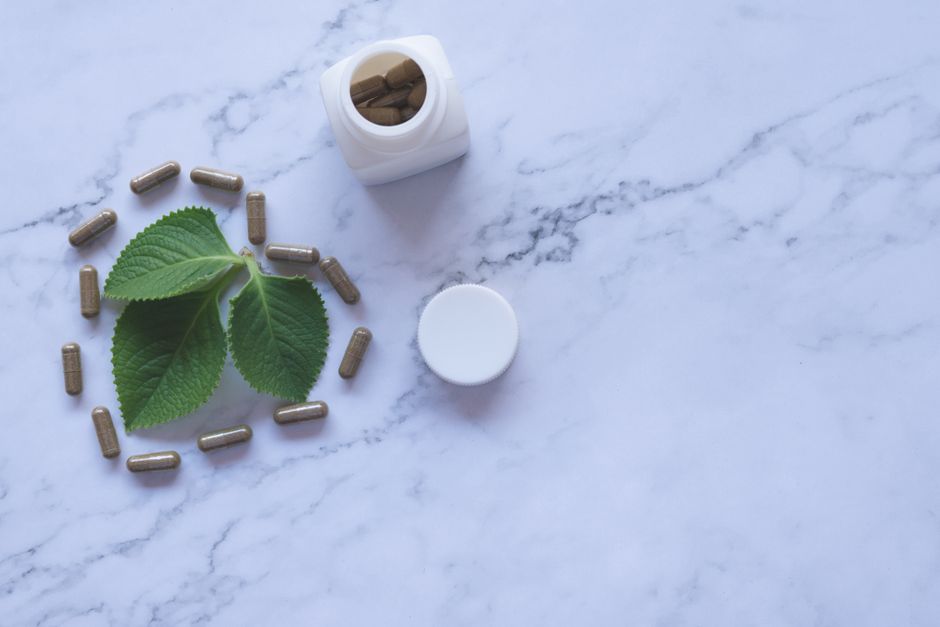
Papaya leaf extract is the most studied food-based remedy for low platelets. Research, particularly from Southeast Asia where it is used traditionally, suggests that papaya leaf extract can increase platelet counts in people with dengue fever. Some studies also show benefit in people with other causes of low platelets. The extract is available as a supplement or juice. The evidence is promising but not definitive. No large clinical trials have confirmed its effectiveness for all types of thrombocytopenia.
Pomegranate contains antioxidants that may protect platelets from damage. Some research suggests it can help platelets function better, though studies on raising platelet count are limited. Eating the fruit or drinking unsweetened juice is a reasonable addition to a healthy diet.
Pumpkin seeds are rich in zinc, which supports immune function and cell production. Zinc deficiency has been linked to low platelet counts in some studies. Including pumpkin seeds, along with other zinc-rich foods like oysters and beef, supports overall health.
Vitamin C helps your body absorb iron, which indirectly supports platelet production. It also acts as an antioxidant. Citrus fruits, bell peppers, strawberries, and broccoli are excellent sources.
No single food will dramatically raise your platelet count. A varied, nutrient-dense diet is the goal.





Foods To Avoid With Low Platelets
Some foods and drinks can interfere with platelet function or production. Avoiding them may help.
Alcohol is the most significant dietary factor. Heavy alcohol use directly suppresses bone marrow function, reducing platelet production. It can also damage platelets already in circulation. If you have low platelets, reducing or eliminating alcohol is one of the most effective lifestyle changes you can make. Even moderate drinking can affect platelet counts in some people.
Foods high in vitamin K do not lower platelets, but they do help your blood clot. If you take blood thinners, sudden changes in vitamin K intake can be dangerous. Foods like kale, spinach, and broccoli are high in vitamin K. Do not avoid them unless your doctor tells you to. Consistency matters more than avoidance.
Certain foods can impair platelet function even though they do not lower the count. Garlic, ginger, ginkgo biloba, and fish oil have natural blood-thinning effects. In normal amounts, these foods are safe. In supplement form, they can increase bleeding risk, especially if your platelet count is already low. If you take these supplements, discuss them with your doctor.
Artificial sweeteners and processed foods have been suggested as potential contributors to low platelet counts, but the evidence is weak. No reliable research confirms that avoiding them raises platelet counts.
Lifestyle Changes That Support Platelet Health
Lifestyle habits influence platelet production and survival. Some changes are well supported by evidence. Others are common sense but lack strong research.
Regular exercise supports overall cardiovascular health and may help regulate platelet function. Moderate exercise, like brisk walking for 30 minutes most days, is generally safe. Intense exercise can temporarily lower platelet counts, so avoid overtraining. If your platelet count is very low, ask your doctor before starting a new exercise routine.
Stress management matters more than most people realize. Stress hormones can affect platelet activity. Chronic stress may contribute to platelet dysfunction, though research on stress directly causing low counts is limited. Practices like deep breathing, meditation, and adequate sleep support overall health and may indirectly help.
Sleep is when your body repairs itself, including bone marrow function. Aim for 7 to 9 hours of quality sleep per night. Poor sleep has been linked to various blood cell abnormalities, though specific research on platelets is limited.
Avoid over-the-counter pain relievers that affect platelet function. Ibuprofen, naproxen, and aspirin can impair platelet activity. Acetaminophen is generally safer for platelet function. If you need pain relief and have low platelets, ask your doctor which option is safest.
Supplements for Low Platelets: What the Evidence Shows
Supplements are not a substitute for medical treatment, but some have evidence behind them.
Iron is essential if you are deficient. Iron deficiency anemia can cause low platelets. Supplementing with iron under medical supervision can restore both hemoglobin and platelet levels. Do not take iron supplements without a blood test showing deficiency, as excess iron is harmful.
Vitamin B12 and folate are critical for cell division. Deficiencies cause low platelet counts. Supplementation corrects the deficiency and restores platelet production. Again, testing first is essential.
Vitamin D deficiency has been associated with low platelet counts in some studies. The evidence is not strong enough to recommend high-dose vitamin D specifically for platelets, but correcting a deficiency supports overall health.
Papaya leaf extract supplements are widely available. If you choose to try them, look for a reputable brand and tell your doctor. The evidence for effectiveness is strongest in dengue-related thrombocytopenia, not all causes of low platelets.
No other supplement has reliable evidence for raising platelet counts. Be wary of products claiming otherwise. Many supplements marketed for “blood health” have no clinical backing.
When To See a Doctor
Diet and lifestyle changes are supportive, not curative. You need medical evaluation if your platelet count is low.
See a doctor immediately if you have any signs of serious bleeding. These include blood in your urine or stool, vomit that looks like coffee grounds, severe headache, or unusual bruising that spreads quickly. A platelet count below 50,000 requires medical attention, even without symptoms.
If your count is mildly low and you feel fine, ask your doctor about the cause. Ask for a complete blood count that includes platelet size and other cell counts. Ask whether nutritional testing is appropriate. Your doctor can determine whether your low count is temporary or chronic and whether treatment is needed.
Frequently Asked Questions
Can diet alone raise my platelet count?
Diet alone can raise platelet count only if a nutritional deficiency is causing the low count. If your low count is due to another cause, diet supports but does not cure it.
How long does it take for platelet count to increase with diet changes?
If you correct a nutritional deficiency, platelet count can improve within 1 to 2 weeks, but full recovery often takes longer. Non-nutritional causes may not respond to diet changes at all.
Is papaya leaf extract safe for increasing platelets?
Papaya leaf extract is generally well tolerated, but it can cause digestive upset in some people. Evidence for its effectiveness is strongest in dengue-related low platelet counts, and you should tell your doctor before taking it.
What is a dangerous platelet count?
A platelet count below 50,000 per microliter is considered dangerous and requires medical attention. Counts below 20,000 carry a high risk of serious bleeding and need urgent care.
