
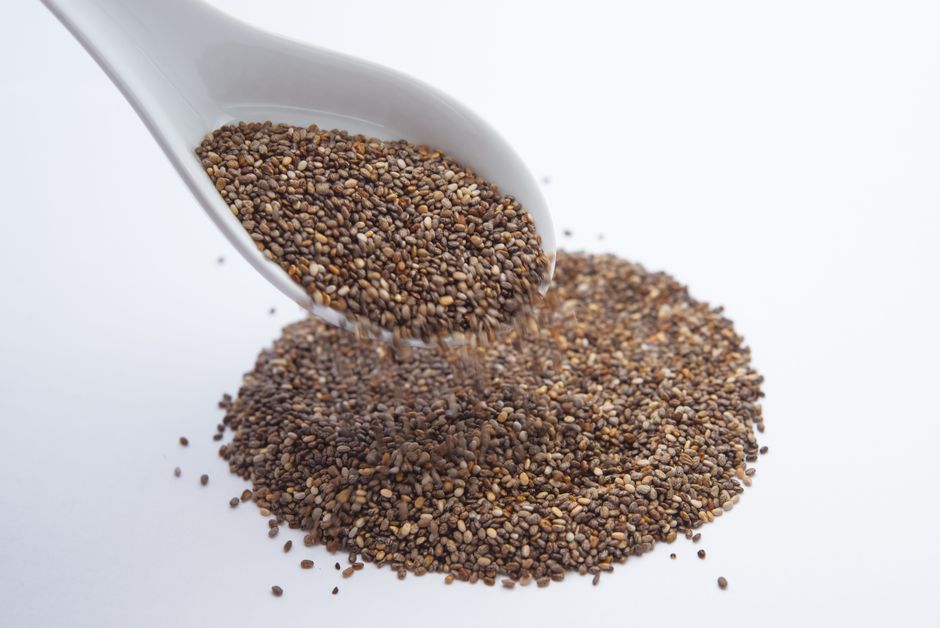
Chia seeds are good for you because they deliver a rare combination of fiber, omega-3 fats, protein, and minerals in a tiny package that your body can actually use. Unlike many trendy health foods, the benefits of chia seeds are backed by real human studies. They support digestion, heart health, and blood sugar stability. The root cause of their power is simple: they are one of the most nutrient-dense whole foods you can eat without processing or additives.
What Makes Chia Seeds Different From Other Seeds?
Chia seeds contain more omega-3 fatty acids than flaxseeds by weight. They also have a better protein profile than most plant foods. A single ounce provides 11 grams of fiber, 4 grams of protein, and 9 grams of fat — mostly the kind that reduces inflammation.
Unlike flaxseeds, chia seeds do not need to be ground for your body to absorb their nutrients. The outer shell is delicate enough that digestion breaks it down naturally. This is a genuine advantage for people who want the benefits without extra prep work.
Chia seeds are also one of the few plant sources that contain all nine essential amino acids. Most plant proteins are incomplete. Chia is not. This matters for muscle repair, hormone production, and immune function.
How Do Chia Seeds Affect Digestion and Gut Health?
Research shows that the fiber in chia seeds feeds beneficial gut bacteria. A study published in the journal Nutrients found that chia seed consumption increased levels of short-chain fatty acids in the colon. These fatty acids reduce inflammation and support the gut lining.
The gel that forms when chia seeds absorb water is a soluble fiber called mucilage. This gel slows digestion and helps bulk up stool. For people with constipation, this can provide noticeable relief within a few days of regular use.
But there is a catch. If you are not used to high-fiber foods, starting with a full serving can cause bloating or gas. The CDC recommends increasing fiber intake gradually. Start with one tablespoon and drink plenty of water. Your gut bacteria need time to adjust.
Can Chia Seeds Help With Blood Sugar Control?
Some studies suggest that chia seeds can blunt blood sugar spikes after meals. A 2017 study in the Journal of Diabetes Research gave participants chia seeds before a carbohydrate-heavy meal. Those who ate chia had significantly lower blood sugar levels afterward compared to the control group.
The mechanism is straightforward. The gel coating slows down how fast carbohydrates enter your bloodstream. This prevents the sharp rise and crash that can leave you tired and hungry an hour later.
This effect is modest, not dramatic. Chia seeds will not replace diabetes medication or fix a poor diet. But adding them to yogurt, oatmeal, or smoothies is a practical strategy for anyone watching their blood sugar. The American Diabetes Association lists chia seeds as a recommended food for people with type 2 diabetes.
| Nutrient | Per 1 Ounce (28g) | % Daily Value |
|---|---|---|
| Fiber | 11g | 39% |
| Protein | 4g | 8% |
| Omega-3 (ALA) | 5g | Not established |
| Calcium | 179mg | 18% |
| Phosphorus | 244mg | 24% |
| Magnesium | 95mg | 24% |




What Does Research on Why Chia Seeds Good For You Show for Heart Health?
The omega-3s in chia seeds are alpha-linolenic acid, or ALA. Your body converts some of it into the more active forms EPA and DHA. The conversion rate is low — around 5 to 10 percent. But because chia seeds are so dense in ALA, even that small conversion provides meaningful amounts.
A 2021 review in Nutrition Reviews looked at 10 clinical trials. It found that chia seed consumption was linked to lower blood pressure in people with hypertension. The effect was small but consistent. People with high blood pressure saw an average reduction of 3 to 5 mmHg systolic.
Chia seeds also contain magnesium, which helps relax blood vessels. The fiber binds to cholesterol in the digestive tract and helps remove it from the body. These effects together support cardiovascular health without requiring you to take a supplement.
Are There Any Side Effects or Risks With Chia Seeds?
Chia seeds are safe for most people. But there are real risks if you eat them dry. Dry chia seeds expand in the esophagus and can cause choking. This is not a myth. Several case reports have documented esophageal blockages from people eating dry spoons of chia seeds followed by water.
Always soak chia seeds for at least 10 minutes before eating them. This allows them to form their gel safely before they reach your throat.
People with inflammatory bowel disease or diverticulitis should be cautious. The high fiber content can irritate an inflamed gut. Some people report that chia seeds trigger bloating or abdominal pain. If you have a digestive condition, introduce chia seeds slowly and talk to your doctor first.
Chia seeds are also relatively high in calories. One ounce is about 140 calories. This is not a problem for most people, but if you are calorie-conscious, measure your portions. Mindless sprinkling can add up quickly.
- Soak chia seeds before eating to prevent choking risk
- Start with one tablespoon if you are new to high-fiber foods
- Drink plenty of water throughout the day
- Consult your doctor if you have a digestive condition or take blood thinners
- Store chia seeds in a cool, dry place to prevent rancidity
Do Chia Seeds Help With Weight Management?
The evidence here is mixed. Some studies show that chia seeds increase feelings of fullness. The fiber and protein together slow gastric emptying and release appetite-regulating hormones. A 2017 study in Frontiers in Nutrition found that participants who ate chia seeds consumed fewer calories at their next meal.
But long-term weight loss studies have not shown dramatic results. A 2009 study in Nutrition Research gave participants chia seeds daily for 12 weeks. Weight loss was minimal compared to the placebo group. The researchers concluded that chia seeds alone do not cause significant weight loss.
The honest take is this. Chia seeds can help you feel fuller and reduce snacking. But they are not a weight loss miracle. No food is. They work best as part of a pattern of eating that prioritizes whole foods and controlled portions.
Frequently Asked Questions
How much chia seeds should I eat per day?
One to two tablespoons per day is a safe and effective amount for most adults.
Can I eat chia seeds if I take blood thinners?
Talk to your doctor because the omega-3s in chia seeds may have a mild blood-thinning effect.
Are black and white chia seeds different nutritionally?
No, the color difference is just a variety trait and does not affect nutrient content.
Do I need to grind chia seeds like flaxseeds?
No, your body can digest whole chia seeds without grinding them.
