
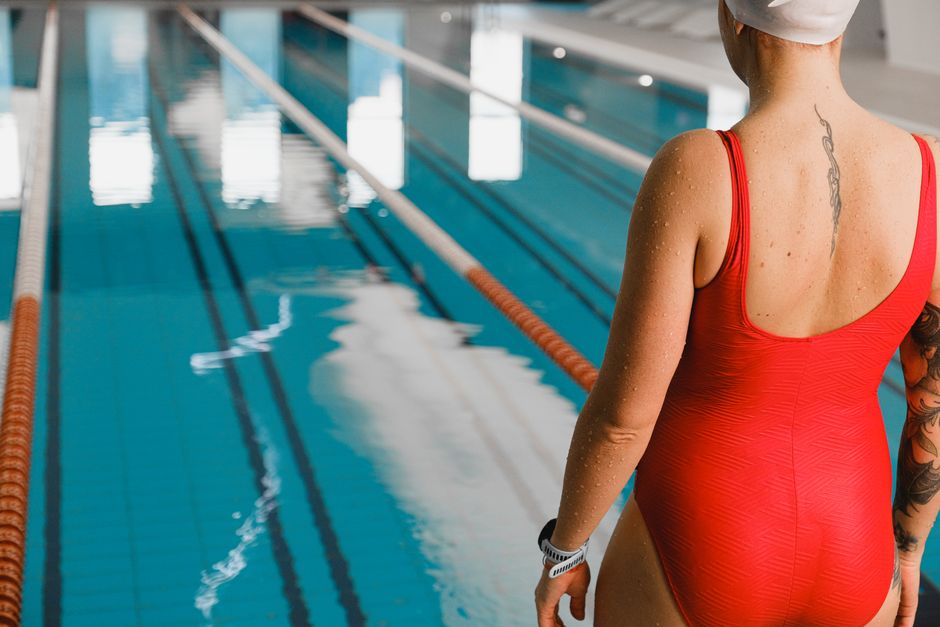
Swimming is an excellent form of exercise, and yes, it can help you lose weight. However, the truth is more nuanced than a simple yes or no. Weight loss happens when you burn more calories than you consume, and swimming can absolutely help you create that calorie deficit. But how many calories you burn depends heavily on your intensity, your stroke, your weight, and your skill level. It is a powerful tool, but it is not magic, and it comes with some unique quirks that other workouts don’t have.
Does Swimming Help You Lose Weight Compared to Other Cardio?
Studies have found that swimming is just as effective as walking or cycling for reducing body fat when the exercise intensity and duration are matched. The key phrase there is “when matched.” If you swim leisurely for 20 minutes and then run hard for 20 minutes, the run will burn more calories. But if you swim with consistent effort, the calorie burn is comparable to other forms of moderate-to-vigorous cardio.
One major advantage swimming has over land-based exercise is that it is non-weight-bearing. This means there is no impact on your joints. For people who are overweight or have conditions like arthritis, swimming allows them to exercise at a high intensity without the joint pain that often comes with running or jumping. This often leads to better consistency, which is the real driver of weight loss.
However, the water also creates resistance in every direction. This means you are working your upper body, core, and lower body simultaneously. This full-body engagement can build muscle, and muscle tissue burns more calories at rest than fat tissue. So while the immediate calorie burn might be similar, the body composition changes can be significant.
Why Swimming Can Make You Hungrier Than Other Workouts
This is the part that surprises most people. Many swimmers report feeling ravenous after a session. There is some evidence to suggest that cold water exposure can stimulate appetite. When you swim in a pool that is cooler than your body temperature, your body works to maintain its core temperature. This process requires energy and can trigger hunger signals.
This does not mean swimming is bad for weight loss. It simply means you need to be aware of it. If you finish a swim and eat back every calorie you burned, you will not lose weight. The problem is rarely the exercise itself; it is the post-workout snack that undoes the work. Planning a balanced meal or snack before you swim, so you are not starving afterward, is a practical strategy that helps many people stay on track.
It is also worth noting that water temperature plays a role. Swimming in warmer water tends to reduce this appetite spike compared to swimming in cold water. If you have a choice, a warmer pool might make it easier to manage your hunger cues.
How Many Calories Does Swimming Actually Burn?
The exact number depends on your body weight and your effort level. A person weighing 155 pounds will burn roughly 400 calories per hour swimming laps at a moderate pace. The same person will burn closer to 700 calories per hour swimming at a vigorous pace, such as doing fast freestyle intervals. A heavier person burns more calories for the same activity because moving a larger mass requires more energy.
To put this in perspective, a 155-pound person burns about 300 calories walking at a brisk pace for an hour. They burn about 600 calories running at a 10-minute-mile pace for an hour. Swimming sits right in the middle, but it is often easier to sustain for a full hour because there is no impact on the joints.
The stroke you choose matters too. The butterfly is the most demanding stroke, burning the most calories per minute. The breaststroke is generally the least demanding. Freestyle and backstroke fall in between. The most important factor is not the stroke itself, but how hard you are working. A vigorous breaststroke will burn more than a lazy freestyle.





Why You Might Not See the Scale Move Right Away
Swimming builds muscle. When you start a new swimming program, your body may retain water and build muscle tissue. Muscle is denser than fat, meaning it takes up less space but weighs the same. This can lead to a situation where your clothes fit looser and you look leaner, but the scale stays the same or even goes up slightly.
This is not a sign of failure. It is a sign that your body composition is changing. You are losing fat and gaining muscle. The scale is a blunt tool that does not distinguish between the two. If you are swimming regularly and feeling stronger, pay more attention to how your clothes fit and how your measurements change rather than obsessing over the daily number on the scale.
Another reason the scale might not move is water retention. Swimming in a pool, especially a chlorinated one, can leave you mildly dehydrated. Your body responds to dehydration by holding onto water. Drinking plenty of water throughout the day after your swim can actually help your body release this retained water and reduce bloating.
How to Structure Swimming Workouts for Weight Loss
To lose weight, you need to challenge your body. Swimming the same gentle laps every day will eventually stop producing results. You need to increase your intensity or vary your workouts. The most effective approach is interval training. This means swimming hard for a short burst, then recovering at an easy pace, and repeating the cycle.
A simple beginner interval workout might look like this: swim one length at a moderate pace, then rest for 30 seconds. Repeat this for 20 minutes. As you get fitter, you can increase the number of lengths you swim hard, reduce the rest time, or add in different strokes. The goal is to keep your heart rate elevated and challenge your muscles.
You should also consider incorporating swimming into a broader routine. Doing strength training on land two days a week, combined with swimming two or three days a week, is a highly effective approach for fat loss. Strength training builds muscle, which increases your resting metabolic rate. Swimming provides the cardiovascular conditioning and calorie burn. Together, they are a powerful combination.
Does Swimming Speed Up Your Metabolism?
Any form of exercise temporarily increases your metabolic rate. Swimming is no different. The effect lasts for a few hours after you finish your workout, meaning you burn slightly more calories at rest during that time. The size of this effect depends on the intensity of your workout. A hard interval session will boost your metabolism more than a gentle swim.
There is also a long-term effect. Because swimming builds muscle, and muscle is metabolically active, your resting metabolic rate can increase over time. This means you burn more calories just sitting on the couch. The effect is modest, but it is real. It is one of the reasons why strength training and swimming work so well together.
It is important to be honest here: the metabolic boost from swimming is not dramatically different from other forms of exercise. It will not turn you into a calorie-burning furnace. It will help, but the biggest factor in weight loss remains your diet. You cannot out-swim a poor diet.
Is Swimming Right for Everyone Trying to Lose Weight?
Swimming is one of the most accessible forms of exercise. It is gentle on the joints, making it suitable for older adults, pregnant women, and people with chronic pain. It is also a life skill that can be enjoyed for decades. If you enjoy being in the water, swimming is an excellent choice.
However, it does have limitations. You need access to a pool, which is not always convenient or affordable. You also need to know how to swim well enough to maintain a continuous workout. If you are just learning, you may not be able to swim for long enough to create a significant calorie burn. In that case, combining swimming lessons with walking or cycling might be a better plan.
Some people simply do not enjoy swimming. If that is you, do not force it. The best exercise for weight loss is the one you will actually do consistently. Running, cycling, rowing, and brisk walking all offer similar benefits. The key is finding an activity you enjoy and sticking with it.
Frequently Asked Questions
How many times a week should I swim to lose weight?
Swimming three to five times per week is a reasonable target for weight loss. Consistency matters more than perfection, so start with what you can manage and build from there.
Is it better to swim or run for weight loss?
Both are effective, but they are different. Running burns more calories per minute for most people, but swimming is easier on the joints and builds upper body strength. The best choice is the one you will stick with.
Why am I gaining weight after I started swimming?
This is often due to increased muscle mass and water retention, not fat gain. Pay attention to how your clothes fit rather than the scale alone.
Can swimming reduce belly fat?
You cannot spot-reduce fat from any specific area. Swimming burns calories and reduces overall body fat, which will eventually reduce belly fat, but where you lose fat first is determined by genetics.
