
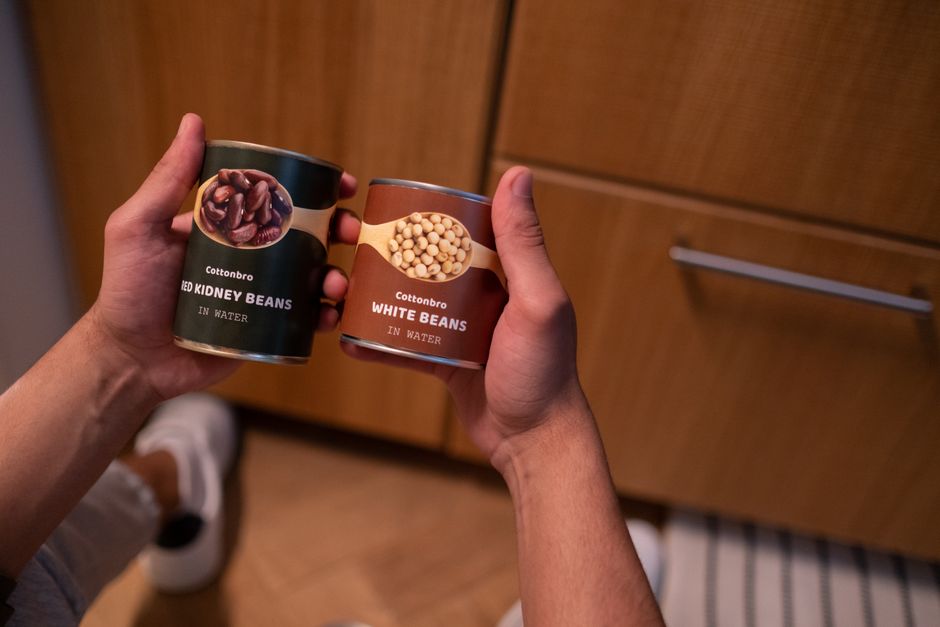
Canned beans are fully cooked before they are sealed in the can. The canning process involves soaking, blanching, and pressure-cooking the beans inside the sealed container to make them safe to eat right out of the can. You can eat them cold, heat them up, or add them to a recipe without any additional cooking time.
Are Canned Beans Cooked?
Yes. Canned beans are completely cooked and ready to eat. The cooking happens during the commercial canning process, which uses high heat and pressure to cook the beans inside the sealed can. This process also kills harmful bacteria, which is why canned beans are safe to consume directly from the can without heating.
The beans you buy in a can are not raw. They have been soaked, cooked, and processed in a facility under strict food safety standards. This is different from dried beans, which require soaking and a long cooking time before they are safe to eat.
How Are Canned Beans Cooked During Processing?
The journey from raw bean to canned product follows a specific industrial process. Understanding this process explains why the beans are fully cooked and safe to eat without further preparation.
First, the dried beans are cleaned and sorted to remove debris and damaged beans. Next, they are soaked in water to rehydrate them. This step softens the beans and begins the breakdown of complex sugars that can cause digestive discomfort.
After soaking, the beans are blanched. Blanching involves a quick steam or hot water bath that partially cooks the beans and deactivates enzymes that could cause spoilage. The blanched beans are then placed into cans with water, salt, and sometimes other ingredients like seasonings or preservatives.
The sealed cans then go into a pressure cooker called a retort. Inside the retort, the cans are heated to temperatures above the boiling point of water, typically around 240-250°F (115-121°C). The combination of high heat and pressure fully cooks the beans and sterilizes the contents. This step is what makes the beans shelf-stable for years without refrigeration.
Can You Eat Canned Beans Straight From the Can?
Yes, you can eat canned beans directly from the can without cooking them. Because they are fully cooked and sterilized during the canning process, they are safe to consume cold. Many people add cold canned beans to salads, blend them into dips, or mash them for spreads.
That said, most people prefer the taste and texture of heated beans. Heating them in a pot or microwave improves their flavor and makes them easier to incorporate into hot dishes like soups, stews, and chili.
One important note: you should always check the can for any signs of damage, bulging, or rust before opening it. If a can is damaged or the contents smell or look unusual, discard it. This applies to all canned foods, not just beans.



Should You Rinse Canned Beans Before Using Them?
Rinsing canned beans is a common practice, but it is not required for safety. The beans are already cooked and safe to eat. However, the liquid in the can contains added salt and some of the sugars that leach out of the beans during cooking.
Rinsing beans in a colander under running water for about 30 seconds removes a significant portion of the added sodium. This can be helpful for people watching their blood pressure or salt intake. Some research suggests that rinsing canned beans can reduce sodium content by 30-40%.
Rinsing also removes some of the oligosaccharides, which are complex sugars that can cause gas and bloating in some people. While rinsing does not eliminate these sugars entirely, it can reduce digestive discomfort for some individuals.
The liquid in the can, sometimes called aquafaba, is not harmful. In fact, the liquid from chickpeas is used as a vegan egg substitute in some baking recipes. You can save it for this purpose if you like, or simply discard it.
Canned Beans vs. Dried Beans: What Is the Difference?
The main difference between canned and dried beans is preparation time and sodium content. Dried beans require soaking for several hours and cooking for one to two hours before they are edible. Canned beans are ready to use immediately after opening.
Nutritionally, both forms of beans are excellent sources of protein, fiber, iron, and other essential nutrients. The canning process does not significantly reduce the nutritional value of beans. However, canned beans typically contain added salt, while dried beans do not.
A standard serving of canned beans contains about 300-400 mg of sodium, while the same serving of cooked dried beans contains only about 2 mg. If you are on a low-sodium diet, rinsing canned beans or choosing no-salt-added varieties can help close this gap.
Cost is another factor to consider. Dried beans are significantly cheaper per serving than canned beans. However, the time and energy required to cook dried beans may not be worth the savings for many people.
Here is a quick comparison:
- Preparation time: Canned beans take zero time. Dried beans take hours of soaking and cooking.
- Sodium: Canned beans are higher in sodium unless you rinse them or buy no-salt-added versions.
- Cost: Dried beans are cheaper per serving.
- Texture: Some people prefer the firmer texture of beans cooked from dried.
- Nutrition: Both forms are nutritionally similar.
Are There Any Risks With Eating Canned Beans?
Canned beans are one of the safest foods you can buy. The high-heat sterilization process eliminates pathogens like Salmonella and E. coli that can be present in improperly cooked dried beans. The sealed can prevents contamination until it is opened.
The main health concern with canned beans is the sodium content. People with high blood pressure, kidney disease, or heart conditions should choose low-sodium or no-salt-added varieties. Rinsing the beans before use also reduces sodium significantly.
Another concern is the lining of the can. Most food cans have an internal lining made with BPA (bisphenol A) or similar compounds. Some research has raised questions about the health effects of BPA exposure. Many manufacturers now use BPA-free linings, but not all do. If this is a concern for you, look for brands that specifically label their cans as BPA-free.
Beans naturally contain lectins and phytic acid, which can interfere with nutrient absorption. However, the cooking process inactivates most lectins. The beans you buy in a can have been cooked thoroughly, so this is not a practical concern for canned bean consumers.
How Long Do Canned Beans Last?
Canned beans have a very long shelf life. Most cans are stamped with a “best by” date that is two to five years from the production date. The beans remain safe to eat past this date as long as the can is intact and has been stored properly.
Store unopened cans in a cool, dry place. Avoid storing them in areas with extreme temperatures, such as near a stove or in a garage that gets hot in summer. High temperatures can degrade the quality of the beans over time.
Once you open a can, transfer the unused beans to a covered container and refrigerate them. Opened canned beans will last about three to four days in the refrigerator. You can also freeze cooked beans in an airtight container for up to six months.
What Is the Best Way to Heat Canned Beans?
There is no single best method. It depends on what you are making and how much time you have.
For a quick side dish, empty the can into a saucepan and heat over medium heat until bubbling. This takes about five to seven minutes. You can add seasonings like garlic, cumin, or chili powder while they heat.
For soups and stews, add the beans directly to the pot with the other ingredients. They only need to heat through, so add them near the end of cooking to prevent them from becoming mushy.
For a fast option, microwave the beans in a microwave-safe bowl for one to two minutes, stirring halfway through. Cover the bowl with a plate or paper towel to prevent splattering.
If you are using the beans in a cold dish like a salad, there is no need to heat them at all. Just drain, rinse, and add them to your salad.
Frequently Asked Questions
Are canned beans safe to eat without cooking?
Yes, canned beans are fully cooked during the canning process and safe to eat straight from the can. Heating them is only for taste and texture, not for safety.
Do canned beans need to be rinsed?
Rinsing is optional but recommended to reduce sodium by roughly a third. It also removes some of the sugars that can cause gas.
Are canned beans as healthy as dried beans?
Yes, canned beans are nutritionally comparable to dried beans, with the main difference being added sodium. Choosing low-sodium varieties or rinsing them closes that gap.
How long do opened canned beans last in the fridge?
Opened canned beans last about three to four days when stored in a covered container in the refrigerator. You can freeze them for up to six months.
