
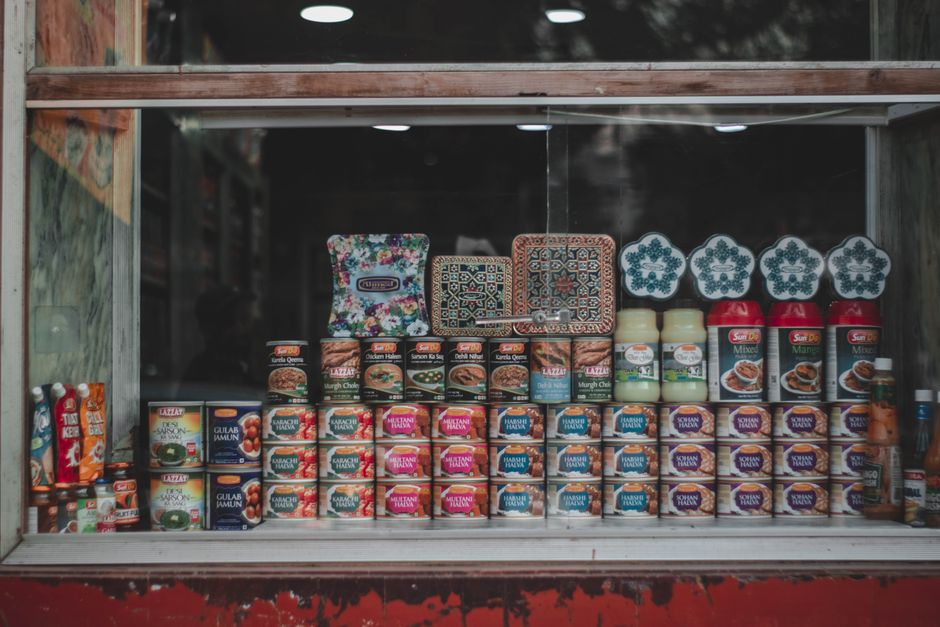
Canned and packaged foods are not automatically bad for you, and fresh food is not automatically better. What matters is what is inside the package: the sodium, added sugar, refined starch, and added fats, plus how often those products show up in your diet. A can of plain beans and a box of frosted toaster pastries are both “packaged,” yet they have almost nothing in common nutritionally.
That single distinction explains most of the confusion. Processing is a method, not a verdict. Some of the most nutritious foods in a grocery store come in a can, a bag, or a box. Some of the least nutritious foods are sold fresh and ready to eat.
What Does “Processed Food” Actually Mean?
The word “processed” covers everything from a bag of washed spinach to a shelf-stable cheese dip. That range is so wide it stops being useful on its own.
Nutrition researchers generally sort foods by how much they have been changed and why. The most widely used system, called NOVA, groups foods into four categories:
- Unprocessed or minimally processed: fresh vegetables, fruit, meat, eggs, milk, plain grains, beans, and plain frozen or canned versions of these with nothing added.
- Processed culinary ingredients: salt, sugar, oils, butter, vinegar, and similar items used to cook at home.
- Processed foods: canned fish, salted nuts, cheese, and simple breads made mostly from whole ingredients.
- Ultra-processed foods: products built largely from refined ingredients and industrial additives, such as soda, packaged snacks, sugary cereals, and many ready-to-eat meals.
Most of the health concern in the research centers on the fourth group, not on cans or bags in general. Lumping canned beans in with candy because both sit in a package is not a scientific claim. It is a category error.
Are Canned Foods Less Nutritious Than Fresh?
Often they are close, and sometimes canned is higher in certain nutrients. Canned tomatoes, for example, tend to contain more lycopene than fresh ones, because heat during canning breaks down cell walls and helps this compound become more available to the body.
Canned beans, chickpeas, and lentils keep most of their fiber and protein. Canned fish such as salmon and sardines retain omega-3 fats and are often cheaper than fresh. Canned fruit in juice keeps much of its vitamin content, though canned fruit in heavy syrup adds a lot of sugar.
The real trade-offs in canned food are usually these:
- Sodium. Many canned soups, vegetables, and beans are salted heavily. This is the main nutritional drawback for most people.
- Added sugar. Sweetened fruit, baked beans, and some sauces can carry substantial added sugar.
- Can lining. Some can linings contain bisphenol A (BPA) or related compounds. Many manufacturers have moved away from BPA, and food regulators have set limits on migration into food. The evidence on low-level exposure and long-term health effects is still being studied, and it is not settled.
Draining and rinsing canned beans can reduce their sodium content, though the exact amount removed varies by product and how thoroughly you rinse. Buying “no salt added” versions removes the issue at the source.
Why Is Ultra-Processed Food Linked to Health Problems?
Large observational studies have found that people who eat more ultra-processed food tend to have higher rates of obesity, type 2 diabetes, and heart disease. That pattern has shown up across many countries and many study populations.
What those studies cannot fully prove is that the food itself causes the outcome. People who eat more ultra-processed food also tend to differ in other ways, and researchers try to adjust for that, but adjustment is never perfect. So the honest position is: the association is consistent and concerning, and the causal picture is not fully resolved.
One randomized controlled trial did test the question directly. In it, people were given either an ultra-processed diet or an unprocessed diet for a period of weeks, with meals matched so both groups could eat as much as they wanted. The ultra-processed group ate more calories and gained weight, while the unprocessed group lost weight. That is stronger evidence than an observational study, though it was a single trial with a modest number of participants.
Several mechanisms could explain the link. Ultra-processed foods tend to be calorie-dense, low in fiber, easy to eat quickly, and engineered for palatability. Some research suggests they may also affect satiety signals and the gut microbiome, but that work is earlier and less certain.





How Can You Tell a Good Packaged Food From a Poor One?
Read the Nutrition Facts panel and the ingredient list, not the front of the package. Front-of-pack claims like “natural,” “wholesome,” and “made with real fruit” are marketing terms with limited regulatory meaning in most cases.
A practical approach:
- Look at added sugars. The label now lists them separately from total sugars.
- Check sodium per serving and compare it to similar products on the shelf.
- Look for fiber. A product with meaningful fiber is usually made from less refined ingredients.
- Scan the ingredient list. Shorter is not automatically better, but a list dominated by refined starches, sugars, and oils tells you what the product mostly is.
- Watch serving size. A package that looks like one serving may contain two or three.
One non-obvious point: “organic” and “natural” say nothing about sodium, added sugar, or calorie content. An organic cookie is still a cookie. These labels describe how ingredients were produced, not how nutritious the final product is.
Canned & Packaged Food: How Does It Fit Into a Healthy Diet?
For most people, the goal is not to eliminate packaged food. It is to shift the balance toward products that carry real nutritional value and away from those that mostly deliver refined starch, sugar, sodium, and added fat.
Canned and frozen produce can make a healthy diet easier and cheaper. They last longer, reduce waste, and are available year-round. For households with limited time or budget, that matters. A diet built on canned beans, canned fish, frozen vegetables, and plain grains can be genuinely nutritious.
What tends to go wrong is when ultra-processed products crowd out everything else. Soda, packaged pastries, and snack chips are not a problem because they are packaged. They are a problem because they are easy to overeat and provide little that the body needs.
Does Cooking From Scratch Always Win?
No. Home cooking is generally associated with better diet quality in research, but that depends entirely on what you cook and with what.
A home-made meal built on white flour, butter, and sugar is not automatically healthier than a well-chosen frozen meal with vegetables, lean protein, and whole grains. The ingredients and the overall pattern matter more than whether a stove was involved.
Frozen meals vary enormously. Some are high in sodium and low in fiber. Others are reasonably balanced. The label tells you which is which. The same is true for canned soups, jarred sauces, and boxed grain mixes.
What Does the Evidence Actually Support?
Research consistently supports a few things. Diets rich in vegetables, fruit, whole grains, beans, nuts, and fish are linked to better health outcomes. Diets high in refined starch, added sugar, and sodium are linked to worse ones. These findings hold across many populations and study designs.
What the evidence does not support is the idea that a food is unhealthy simply because it comes in a can or a box. That claim treats a packaging method as if it were a nutritional property. It is not.
The practical takeaway is unglamorous. Read labels. Favor products with fiber, protein, and short ingredient lists you recognize. Limit the ones that are mostly sugar, refined starch, and sodium. Use canned and frozen foods as tools, not as things to fear or to rely on exclusively.
Frequently Asked Questions
Is canned food bad for you?
No, canned food is not inherently bad. The main concerns are added sodium, added sugar, and in some cases can lining materials, not the canning process itself.
Are frozen vegetables as healthy as fresh?
Generally yes. Frozen vegetables are usually picked and frozen quickly, which preserves most vitamins, and they are often comparable to fresh produce that has spent days in transit.
What is the difference between processed and ultra-processed food?
Processed foods are changed mainly by adding salt, sugar, oil, or similar ingredients, like canned fish or cheese. Ultra-processed foods are built largely from refined ingredients and industrial additives, like soda and packaged snack cakes.
Does rinsing canned beans reduce sodium?
Yes, draining and rinsing canned beans removes some of the sodium, though the exact amount varies by product and rinsing method. Buying no-salt-added cans avoids the issue entirely.
