
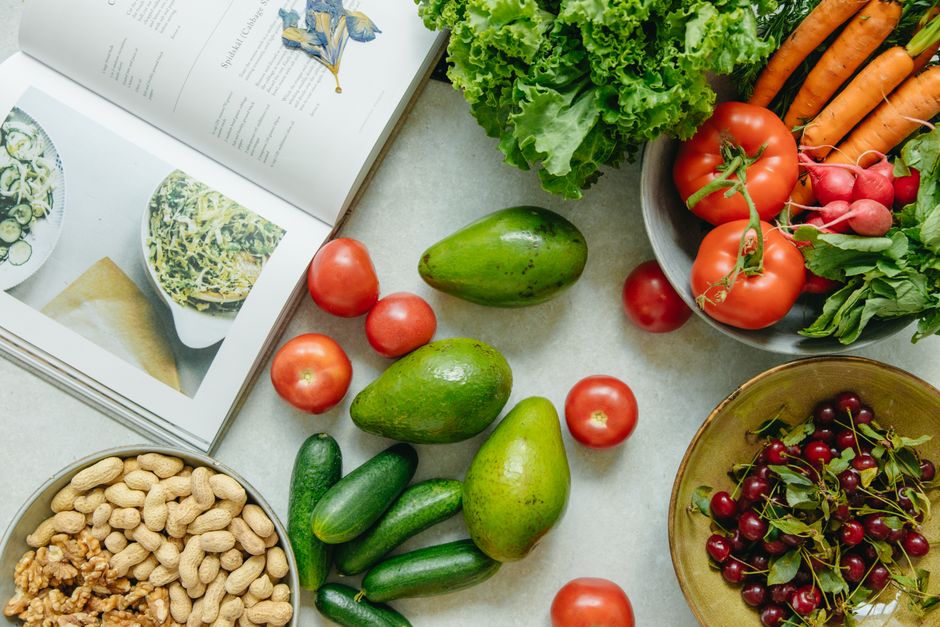
Spanish food can be a genuinely healthy way to eat, but only if you look at what people actually eat day to day rather than the vacation version. The traditional Spanish diet leans heavily on vegetables, legumes, olive oil, fish, and fresh fruit, and research has linked Mediterranean-style eating patterns like this to lower rates of heart disease and other chronic conditions. The pitfalls are real too. Cured meats, white bread, fried tapas, and heavy portions of cheese can quietly turn a healthy pattern into a high-sodium, high-calorie one.
What Makes Spanish Food Healthy Diet Strengths And Pitfalls?
The strengths come from the base of the diet, not from any single “superfood.” Traditional Spanish eating is built on plants, olive oil, and seafood, with meat playing a smaller role than it does in many Western diets.
Olive oil is the main added fat. It is rich in monounsaturated fat and polyphenols. This is one of the better-studied parts of the Mediterranean pattern, and it is a meaningful difference from diets built on butter or processed seed oils used in heavy frying.
Legumes show up constantly. Chickpeas, lentils, and white beans appear in stews and soups. They deliver fiber, plant protein, and slow-digesting carbohydrates. Fish, especially oily fish like sardines, anchovies, and mackerel, provides omega-3 fats. Fresh vegetables and fruit are eaten in quantity, not as a garnish.
The pitfalls sit mostly at the edges of the diet. Cured ham, chorizo, and other embutidos are high in sodium and, in some cases, saturated fat. They are often treated as everyday foods rather than occasional ones. White bread accompanies almost every meal. Fried tapas like croquetas and patatas bravas add calories and refined starch. None of these ruin the diet on their own. Eaten daily in large amounts, they change its character.
Is the Mediterranean Diet Evidence Actually Strong?
Yes. The Mediterranean dietary pattern is among the most studied ways of eating in the world, and the evidence for it is stronger than for most popular diets.
A large randomized trial conducted in Spain compared a Mediterranean diet supplemented with either extra-virgin olive oil or nuts against a control diet. It was stopped early because the Mediterranean groups showed fewer major cardiovascular events. That trial, known as PREDIMED, is one of the few diet trials with a randomized design and hard outcomes rather than just markers.
Later reviews have generally supported the pattern for heart health, and some evidence points toward benefits for other conditions as well. The strength of the evidence varies by outcome. For cardiovascular risk, it is solid. For other conditions, results have been more mixed.
One clarification worth making: the Mediterranean diet is not a single prescribed menu. It describes a pattern shared across southern European countries, and Spanish food is one expression of it. That flexibility is part of why it holds up across different studies and populations.
How Does Olive Oil Fit Into Spanish Cooking?
Olive oil is the defining fat of Spanish cooking, used both raw and for cooking. Its main fat is oleic acid, a monounsaturated fat, and extra-virgin olive oil also contains polyphenols that are largely lost in refined versions.
Spanish cooking uses olive oil in ways Americans may not expect. It is poured generously over bread, used to finish vegetables, and used for frying at home. That last point matters. Frying in olive oil is not the same as frying in reused industrial oil, though fried food is still fried food.
Extra-virgin olive oil is the least processed grade. If you are choosing one bottle, that is the one with the most of the compounds studied in the research. The amount matters more than the label. Olive oil is calorie-dense at about 120 calories per tablespoon, so “healthy fat” does not mean unlimited.




Which Spanish Foods Are Worth Eating More Of?
Several foods in the Spanish pattern are worth building meals around. They are cheap, widely available, and easy to cook.
- Legumes — chickpeas, lentils, and white beans in stews and salads
- Oily fish — sardines, anchovies, mackerel, and fresh tuna
- Vegetables — tomatoes, peppers, zucchini, eggplant, garlic, and onions
- Fresh fruit — oranges, figs, melon, and stone fruit in season
- Nuts — almonds, hazelnuts, and walnuts, unsalted
- Extra-virgin olive oil — as the main added fat
A Spanish-style meal often starts with a vegetable dish, adds a legume or fish, and finishes with fruit. That structure is the point. It is not about any one ingredient.
One non-obvious detail: the traditional Spanish pattern also includes small portions of dairy, mostly yogurt and some cheese, and eggs. These are not the centerpiece. They are supporting players.
Which Spanish Foods Should You Limit?
The foods to watch are the ones that dominate the tourist and tapas-bar version of Spanish eating.
Cured meats are the biggest issue. Jamón, chorizo, salchichón, and similar products are high in sodium and often in saturated fat. The World Health Organization classifies processed meats as carcinogenic to humans, based on evidence linking them to colorectal cancer. That classification is about the strength of the evidence, not about how much risk any single serving adds. Still, it is a reason to treat these as occasional foods rather than daily staples.
White bread is another one. It is not harmful on its own, but it is low in fiber and easy to overeat. Whole-grain versions are a reasonable swap.
Fried tapas and pastries add refined starch and calories. So does the heavy use of cheese in some regional dishes. None of this means you cannot eat them. It means the health benefits of the Spanish pattern come from the plant-and-fish base, not from these extras.
How Does Spanish Food Compare to Other Diets?
Spanish food overlaps heavily with the broader Mediterranean pattern, which is the most evidence-supported diet for heart health. It differs from some other traditional diets in specific ways.
| Feature | Spanish pattern | Typical Western diet |
|---|---|---|
| Main added fat | Olive oil | Butter, processed oils |
| Protein sources | Fish, legumes, some meat | Red meat, poultry, processed meat |
| Legume intake | High | Low |
| Vegetable intake | High | Variable, often low |
| Sodium sources | Cured meats, some cheeses | Processed foods, restaurant meals |
| Fried food | Present, often olive oil | Present, often refined oils |
The comparison is not a clean win for either side. A Western diet built around whole foods can be healthy too. The Spanish pattern has an advantage mainly because its default foods are plants, fish, and legumes rather than red and processed meat.
Can You Eat Spanish Food and Still Gain Weight?
Yes. No traditional diet is immune to weight gain if portions are large and energy intake is high. Olive oil, nuts, cheese, and fried foods are all calorie-dense.
The Spanish pattern is not a weight-loss diet. Research on Mediterranean-style eating has shown benefits for cardiovascular risk and some metabolic markers, but weight outcomes have been mixed across studies. Some people lose weight on it, some maintain, and some gain. It depends on total intake.
If weight is your goal, the structure still helps. Legumes, vegetables, and fish are filling relative to their calories. The extras — oil poured freely, bread at every meal, fried tapas, cured meats — are where the calories add up.
What Does a Realistic Spanish-Style Day Look Like?
A realistic day is not a restaurant menu. It is simple food, cooked at home, with a vegetable or legume at most meals.
Breakfast might be coffee with milk, whole-grain toast with olive oil and tomato, and fruit. Lunch could be a lentil stew with vegetables and a piece of fish, plus a small piece of fruit. An afternoon snack might be a handful of almonds or yogurt. Dinner could be a vegetable dish, an egg, and some bread. Olive oil is used throughout, but not poured without thought.
That is the pattern in its ordinary form. The version people remember from vacation — plates of jamón, fried tapas, and wine every night — is a variation on it, not the foundation.
Frequently Asked Questions
Is Spanish food healthy?
Traditional Spanish food is generally healthy because it is built on vegetables, legumes, olive oil, fish, and fruit. The health benefits depend on how much cured meat, white bread, fried food, and cheese you eat alongside those basics.
Is the Mediterranean diet the same as Spanish food?
Spanish food is one regional version of the Mediterranean dietary pattern, which is shared across southern European countries. The core features overlap, but each country has its own dishes and habits.
What are the downsides of Spanish food?
The main downsides are high sodium from cured meats, refined starch from white bread, and added calories from fried tapas and cheese. These are common in everyday eating but are not the foundation of the traditional pattern.
Can I lose weight eating Spanish food?
Weight change depends on total calories, not on the cuisine itself, and research on Mediterranean-style eating has shown mixed weight outcomes. The pattern can support weight management if portions of calorie-dense foods like oil, bread, and fried items are kept in check.
