
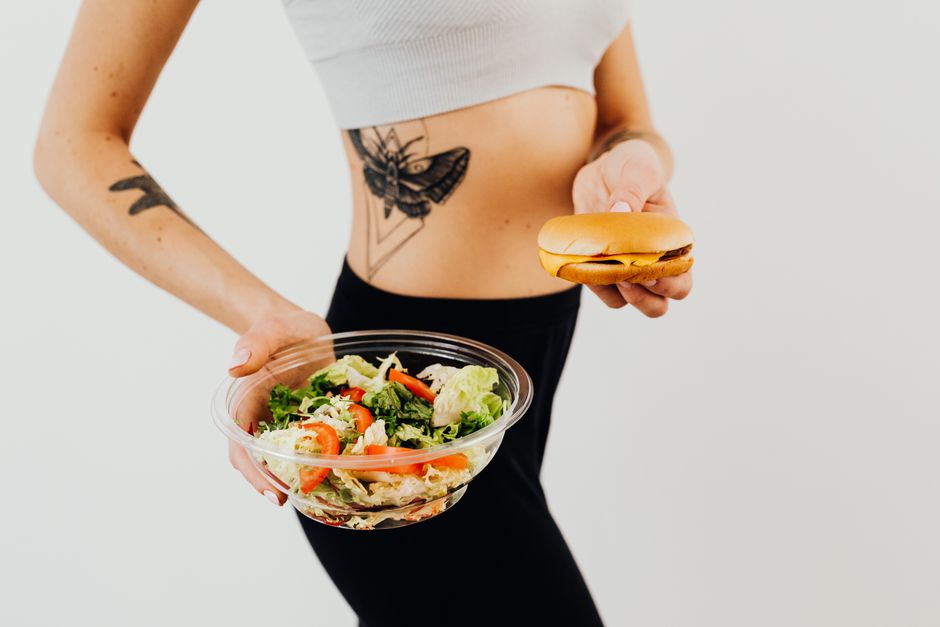
Yes, there is fast food that fits into a healthy diet — but “healthy” depends on what you order, not which restaurant you walk into. A grilled chicken sandwich with a side salad can be a reasonable meal. A double bacon cheeseburger with large fries and a sugary drink is not, no matter how it is marketed. The most useful skill is reading the numbers on the menu board and knowing which ones matter most.
Is There Any Healthy Fast Food Whats Worth It?
Some fast food items are worth ordering when you need a quick meal. The ones that work tend to share three traits: a clear protein source, controlled sodium, and no giant portion of refined carbs or added sugar.
A plain grilled chicken sandwich, a small hamburger without cheese or mayo, or a bean burrito with salsa can all fit into a balanced eating pattern. None of these are nutritional superstars. They are simply reasonable choices when you are short on time and options.
The word “healthy” gets stretched far beyond what it means. A salad can carry more calories and sodium than a burger once you add crispy chicken, cheese, and creamy dressing. A “protein bowl” can contain a full day’s worth of sodium. Marketing labels like “fresh,” “natural,” and “wholesome” carry no regulated nutritional meaning on most menus.
What matters is what is actually in the food. That is knowable. Most large chains publish calorie, sodium, fat, and sugar counts for every item, and those numbers are the most reliable guide you have.
What Should You Actually Look For on a Fast Food Menu?
Sodium is the nutrient most people overlook, and it is where fast food does the most damage. The Dietary Guidelines for Americans recommend limiting sodium to 2,300 mg per day for most adults. A single fast food entree can contain 1,500 mg or more — most of a day’s limit in one item.
Calories matter too, but they are easier to see and easier to control. Sodium is hidden in bread, sauces, cheese, and processed meats, so it adds up faster than most people expect.
Here is a practical way to compare items:
- Protein first. Grilled chicken, beans, eggs, or plain beef patties give staying power without much added sodium or sugar.
- Sodium under 800 mg per item is a reasonable target for a single meal component, though many popular items exceed it.
- Sugar under 10 g for a main item. Drinks and desserts are where sugar climbs fast.
- Skip the sauce or get it on the side. Creamy and sweet sauces can add hundreds of milligrams of sodium and several grams of sugar.
- Watch the drink. A large regular soda can contain well over 50 g of sugar. Water, unsweetened tea, or a small size is a straightforward swap.
One clarification that surprises people: “grilled” does not automatically mean low sodium. Grilled chicken is often marinated or injected with a salt solution before cooking. The nutrition panel is the only way to know.
Are Fast Food Salads Actually Healthier Than Burgers?
Not always. A salad is only as healthy as what is on it. A basic side salad with grilled chicken and a light vinaigrette can be a genuinely good choice. A salad topped with crispy fried chicken, shredded cheese, croutons, and ranch dressing can exceed a small burger in calories and sodium.
The dressing is usually the biggest variable. Creamy dressings like ranch, Caesar, and blue cheese are high in fat and sodium. A single packet can add 200 to 400 calories and several hundred milligrams of sodium. Getting dressing on the side and using half of it is one of the simplest improvements you can make.
Crispy chicken is another trap. The breading absorbs oil during frying, which adds calories and often sodium. Grilled chicken on the same salad removes much of that. This is not a small difference — it can change a salad from a light meal into something heavier than the burger you were trying to avoid.





Which Fast Food Items Are Worth Ordering?
The specific items change as menus change, so the categories are more useful than any single recommendation. These tend to be reasonable choices across most major chains:
- Grilled chicken sandwich, no mayo, on a standard bun
- Small or regular single-patty hamburger without cheese or special sauce
- Bean burrito with salsa, no sour cream
- Baked potato with limited butter and no bacon or cheese sauce
- Side salad with grilled chicken and light dressing on the side
- Egg-based breakfast sandwich on an English muffin or plain biscuit, without sausage
- Chili or a broth-based soup at chains that offer them
These are not perfect foods. They are the least problematic options in an environment built around large portions, added sugar, and high sodium. That distinction matters. Fast food is not a health food category, and treating it as one sets you up for disappointment.
How Often Can You Eat Fast Food and Still Be Healthy?
There is no universal number, and anyone who gives you one is guessing. What matters is your overall pattern of eating across days and weeks, not any single meal.
The evidence on diet and health is fairly consistent: people who eat mostly whole and minimally processed foods, with plenty of vegetables, fruit, legumes, and lean proteins, tend to have better health outcomes than people who eat mostly ultra-processed food. Fast food falls on the ultra-processed end of that spectrum. Frequency matters more than any single visit.
A practical way to think about it: if fast food is an occasional convenience — a few times a month — it is unlikely to meaningfully affect your health. If it is a daily habit, the cumulative sodium, refined carbohydrate, and saturated fat intake becomes a real concern. That is a pattern issue, not a willpower issue.
Some clinicians suggest treating fast food as a backup option rather than a default. That framing is reasonable, though it reflects practical guidance more than a specific trial finding. No study has identified a precise threshold of fast food meals per week that is safe for everyone.
What About “Healthy” Fast Food Chains?
Chains that market themselves as healthier often do have better options — more vegetables, whole grains, and grilled proteins. But the label on the storefront is not a guarantee.
A build-your-own bowl at a fast-casual chain can be excellent or terrible depending on what you add. Load it with brown rice, beans, grilled chicken, salsa, and vegetables, and it is a solid meal. Add cheese, sour cream, guacamole, and a creamy dressing, and the calories and sodium climb quickly. The chain did not change. The order did.
Some marketing claims are worth being skeptical of. “No antibiotics ever,” “grass-fed,” and “organic” describe how food was produced, not whether it is low in calories or sodium. Those are separate questions. A grass-fed beef burger is still a burger.
One useful habit at any chain: check the nutrition information before you order, not after. Most chains post it online and many post it in-store. Making the decision with numbers in front of you is easier than guessing.
Does Ordering “Healthy” Fast Food Actually Make a Difference?
Yes, but the size of the difference depends on what you are comparing. Swapping a large fries and sugary drink for a side salad and water can cut hundreds of calories and a large amount of sugar from a single meal. Over time, those swaps add up.
What does not work is assuming a meal is healthy because of how it is described. The gap between marketing and nutrition is wide, and it is widest in the fast food category.
The honest summary: fast food can be part of a healthy diet if you choose carefully and do not rely on it as your main source of food. The best item on any menu is the one with a clear protein source, moderate sodium, and no oversized portion of refined carbs or added sugar. That is not exciting advice. It is also the advice most likely to hold up.
Frequently Asked Questions
Is there any fast food that is actually healthy?
Yes, some items can fit into a healthy diet, such as a grilled chicken sandwich without mayo or a small plain hamburger. They are not health foods, but they can be reasonable choices when you need a quick meal.
Are fast food salads healthier than burgers?
Not always. A salad with crispy chicken, cheese, croutons, and creamy dressing can have more calories and sodium than a small burger. Grilled chicken and light dressing on the side make a real difference.
How often can I eat fast food and still be healthy?
There is no established number, because overall eating patterns matter more than any single meal. Occasional fast food is unlikely to affect your health, but daily fast food raises concerns about sodium, saturated fat, and refined carbs.
What is the healthiest thing to order at a fast food restaurant?
Look for a clear protein source like grilled chicken or beans, keep sodium moderate, and avoid large portions of fries and sugary drinks. Water or unsweetened tea is a better choice than regular soda.
