
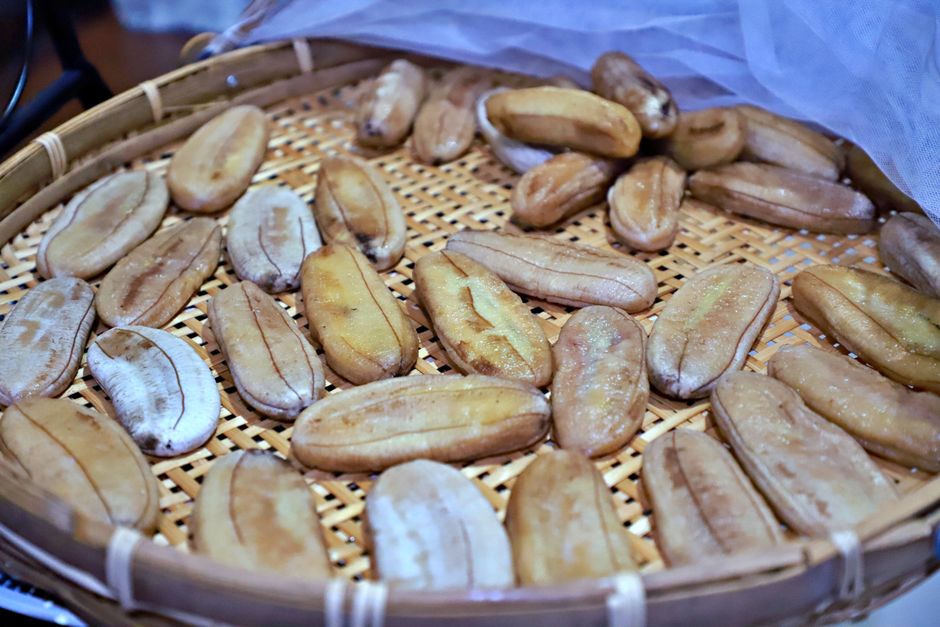
Banana chips are not a healthy snack despite being made from fruit. Most store-bought banana chips are fried in oil and coated in sugar or salt, which strips away the nutritional benefits of the original banana. A single cup of banana chips can contain more calories and fat than a serving of potato chips, making them a deceptive “health food” that is easy to overeat.
How Are Banana Chips Made?
The way banana chips are made determines whether they are healthy or not. Most commercial banana chips are deep-fried in coconut oil or palm oil. The bananas are sliced, fried until crispy, and then often coated with sugar syrup or salt.
This process adds a lot of fat and calories. A fresh banana has less than 1 gram of fat. A one-cup serving of banana chips can have 20 to 30 grams of fat. That is more fat than you would get from a McDonald’s hamburger.
Some brands use a drying method instead of frying. Dried banana chips are closer to the original fruit. But even dried bananas lose water weight, which concentrates the natural sugars. This makes them much higher in sugar per bite than a fresh banana.
The oil used matters too. Coconut oil is high in saturated fat. The American Heart Association recommends limiting saturated fat because it raises LDL cholesterol. If the chips are fried in coconut oil, that is a real concern for heart health.
Are Banana Chips Healthy Compared to Fresh Bananas?
Fresh bananas are a whole food with fiber, potassium, vitamin B6, and vitamin C. Banana chips lose most of these benefits during processing. The heat from frying destroys vitamin C. The fiber remains, but the added fat and sugar change the overall nutritional profile.
Here is a direct comparison based on standard USDA nutrition data:
| Nutrient | Fresh Banana (1 medium) | Banana Chips (1 cup) |
|---|---|---|
| Calories | 105 | ~370 |
| Total Fat | 0.4 g | ~24 g |
| Saturated Fat | 0.1 g | ~21 g |
| Sugar | 14 g | ~20 g |
| Fiber | 3 g | ~4 g |
| Potassium | 422 mg | ~250 mg |
The numbers show a clear trade-off. You get slightly more fiber from the chips, but you also get 250% more calories and massive amounts of saturated fat. The potassium drops by nearly half. For most people, fresh bananas are the better choice every time.
What About Baked or Dehydrated Banana Chips?
Not all banana chips are fried. Some brands bake or dehydrate the slices. These versions avoid the added oil and the high saturated fat content. Baked banana chips are closer to dried fruit than to fried snacks.
But baked banana chips still have concentrated sugar. When you remove the water from a banana, the sugar becomes more dense. A cup of baked banana chips can have 25 to 30 grams of sugar. That is about the same as six teaspoons of sugar.
Some people report that baked chips taste less satisfying than fried ones. Manufacturers sometimes add sugar to improve the flavor. Always check the ingredient list. If sugar or cane syrup appears early on the list, the product is not much better than the fried version.
Evidence indicates that even baked versions should be eaten in small amounts. They are not a replacement for fresh fruit. Think of them as a treat, not a health food.




Are Banana Chips Healthy for Weight Loss?
Banana chips are not helpful for weight loss. They are calorie-dense and easy to overeat. A handful of banana chips can contain 200 calories without making you feel full. The same calories from a fresh banana would come with more water and volume, which helps with satiety.
Research published in the journal Nutrients found that calorie density matters more for weight control than whether a food is “natural” or “processed.” Banana chips are calorie-dense because the water is removed and fat is added. That makes them a poor choice for anyone trying to lose weight.
If you are tracking calories, portion size is everything. A serving size for banana chips is typically one ounce, which is about a quarter cup. Most people eat two or three times that amount in one sitting without realizing it.
Some people report using banana chips as a pre-workout snack. The quick sugar can give a short energy boost. But the fat slows digestion, which can cause stomach discomfort during exercise. A fresh banana is a better pre-workout choice.
What Are the Health Risks of Eating Banana Chips?
The main health risk is the combination of saturated fat and added sugar. A diet high in both increases the risk of heart disease, type 2 diabetes, and fatty liver disease. The American Heart Association recommends limiting saturated fat to 5-6% of daily calories. One cup of fried banana chips can use up half of that allowance.
Another risk is blood sugar spikes. Banana chips have a high glycemic load because the sugar is concentrated. People with diabetes or prediabetes should be especially careful. The fiber in the chips does slow sugar absorption a bit, but not enough to make them safe in large amounts.
There is also a choking risk with hard banana chips. Some brands make chips that are very crunchy and difficult to chew. This is a real concern for children and older adults.
Some people report digestive discomfort after eating banana chips. The high fat content can cause bloating or diarrhea in sensitive individuals. If you have irritable bowel syndrome, the combination of fat and sugar can trigger symptoms.
Are Banana Chips Healthy for Kids?
Banana chips are not a healthy snack for children. The high saturated fat content is a concern for developing bodies. The American Academy of Pediatrics recommends limiting saturated fat in children’s diets to reduce the risk of obesity and heart disease later in life.
Kids also tend to eat more than one serving. A small bag of banana chips from a convenience store can contain 400 to 500 calories. That is a quarter of a child’s daily calorie needs in one snack. The sugar content can also contribute to tooth decay.
If your child loves banana chips, look for baked versions with no added sugar. Read the label carefully. Some “natural” brands still add sugar or salt. A better alternative is to give them a fresh banana or freeze-dried banana pieces that contain no added ingredients.
How to Choose a Healthier Banana Chip
If you decide to eat banana chips, choose wisely. Here is what to look for on the label:
- Baked or dehydrated instead of fried. This cuts the fat content dramatically.
- No added sugar. The ingredient list should show only bananas and maybe a little oil.
- Low sodium. Some brands add salt. Aim for less than 50 mg per serving.
- Simple ingredients. Three ingredients or fewer is a good sign.
- Portion control. Buy single-serving bags instead of large bags to avoid overeating.
Even with these guidelines, banana chips are a snack, not a health food. Treat them like you would treat potato chips or cookies. Eat them occasionally and in small amounts.
Some people report that making banana chips at home is a better option. You can slice bananas and bake them at a low temperature until dry. This gives you control over the oil and sugar. But the concentrated sugar remains, so portion size still matters.
Frequently Asked Questions
Are banana chips healthier than potato chips?
Banana chips often have more saturated fat and sugar than potato chips, making them a worse choice for heart health.
Can diabetics eat banana chips?
Diabetics should avoid most banana chips because the concentrated sugar can spike blood glucose levels.
Are dried banana chips the same as dried fruit?
Dried banana chips are similar to dried fruit but often have added oil and sugar that dried apples or apricots do not.
How many banana chips can I eat in a day?
Stick to one ounce or about a quarter cup if you choose to eat banana chips at all.
