
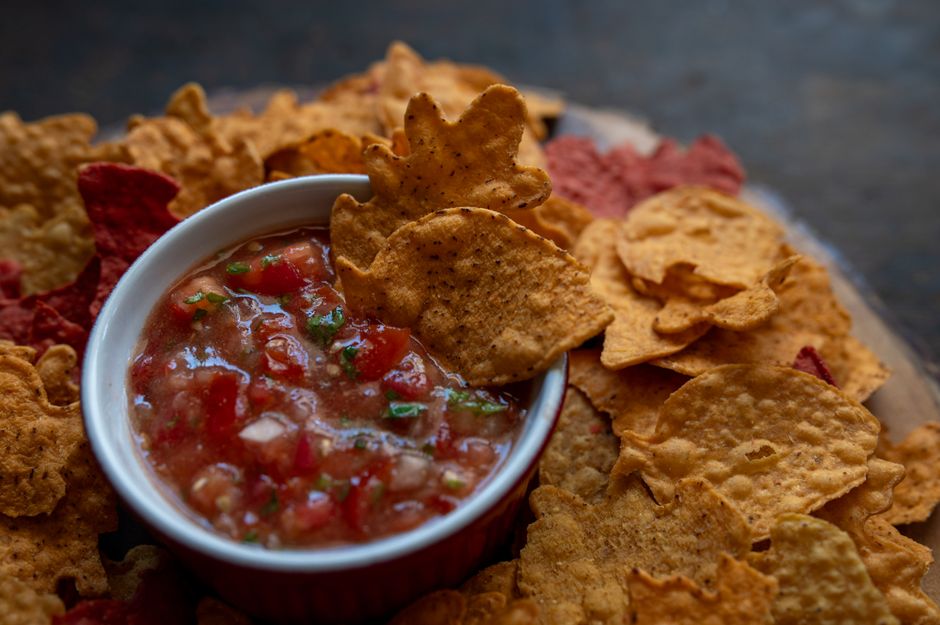
Most chips are made from potatoes, corn, or other gluten-free ingredients. But the real answer is not that simple. Many chips contain gluten from added flavorings, malt vinegar, or cross-contamination during manufacturing. The only way to know for sure is to read the label every time.
Do Chips Have Gluten Naturally?
No. Potatoes, corn, and vegetable oils are naturally gluten-free. A plain potato chip has nothing to do with wheat, barley, or rye. The same goes for tortilla chips made from corn masa.
The gluten problem comes from what gets added later. Seasonings, malt vinegar, and wheat starch are common culprits. Even some “natural” chips use wheat-based binders or flavor carriers.
Research from the Celiac Disease Foundation confirms that single-ingredient potatoes and corn are safe. But the moment a chip enters a factory with gluten-containing products, the risk changes.
Which Types of Chips Often Contain Gluten?
Flavored chips are the biggest risk. Barbecue, sour cream and onion, and salt and vinegar varieties frequently contain gluten. Malt vinegar is made from barley. Many barbecue seasonings use wheat flour as a thickener.
Pita chips are almost always made from wheat flour. Bagel chips, pretzel chips, and any chip described as “crisp” or “cracker” likely contain gluten. Even some tortilla chips labeled “restaurant style” may add wheat flour for texture.
A 2023 study published in the Journal of Food Protection tested 200 snack products labeled “gluten-free.” They found that 4% still contained detectable gluten. This means even careful choices carry some risk.
How to Check If Your Chips Are Gluten-Free
Start with the ingredient list. Look for wheat, barley, rye, malt, and brewer’s yeast. These are the main gluten sources. Do not rely on “may contain” warnings alone — those are voluntary and not regulated.
Next, check for a certified gluten-free label. The FDA requires that products labeled “gluten-free” contain less than 20 parts per million of gluten. This is the threshold considered safe for most people with celiac disease.
Some brands test every batch. Others test once and assume. If you have celiac disease, choose brands that publish their testing protocols. Companies like Utz, Lay’s (plain varieties), and Late July publish their gluten-free policies online.
Here is a quick comparison of common chip types:
| Chip Type | Gluten Risk | What to Look For |
|---|---|---|
| Plain potato chips | Very low | Check for shared equipment |
| Corn tortilla chips | Low | Avoid “restaurant style” blends |
| Barbecue flavored | Moderate | Check for wheat or malt |
| Salt and vinegar | Moderate | Malt vinegar is common |
| Pita chips | High | Made from wheat flour |
| Kettle cooked | Low | Flavored varieties riskier |




What About Cross-Contamination in Chip Factories?
Cross-contamination is the hidden risk. A chip that contains no gluten ingredients may still pick up gluten from shared fryers, conveyors, or dust in the air. This is especially common in facilities that also produce wheat-based snacks.
Studies have found that 10% to 15% of products labeled “gluten-free” still contain trace gluten. The University of Chicago Celiac Disease Center reports that even tiny amounts — as low as 10 milligrams per day — can trigger symptoms in sensitive individuals.
Some brands handle this better than others. Frito-Lay publishes a list of gluten-free products and tests their plain varieties regularly. Smaller brands may not have the same resources. If you react to small amounts, stick with brands that explicitly state they test for gluten.
Do Chips Have Gluten in Restaurants and Bars?
Restaurant chips are a different story. Many bars serve tortilla chips from bulk bags that are not labeled. Fryers used for chips may also cook onion rings, breaded chicken, or other wheat-coated foods.
Research from the National Institutes of Health found that shared fryers are a major source of gluten exposure. Oil does not remove gluten between batches. A chip fried in the same oil as breaded shrimp can contain significant gluten.
Ask your server directly. Do not assume “chips” means corn chips. Some restaurants serve flour-based chips as appetizers. If the answer is uncertain, skip them. Pack your own certified gluten-free chips if you are dining out.
What Are Safe Chip Brands for Gluten-Free Diets?
Several major brands offer reliable gluten-free options. Lay’s Classic, Ruffles Original, and Tostitos Original are all labeled gluten-free. Utz plain potato chips and their tortilla chips are also tested. Late July makes certified gluten-free tortilla chips in multiple flavors.
Kettle Brand chips are labeled gluten-free for most flavors, but always check. Boulder Canyon and Jackson’s Honest also produce gluten-free options. For kettle-cooked styles, these brands test their products regularly.
Avoid generic or store-brand chips unless they carry a gluten-free label. Many store brands do not test for gluten and may change ingredients without notice. The FDA does not require allergen testing for unlabeled products.
Here is a quick checklist for choosing chips:
- Look for a certified gluten-free label from GFCO or NSF
- Read the ingredient list for wheat, barley, malt, and rye
- Check the manufacturer’s website for testing policies
- Avoid bulk bins and shared fryers
- Call the company if you are unsure — most will tell you
Common Misconceptions About Chips and Gluten
Many people believe that all potato chips are gluten-free. This is not true. Flavored varieties frequently contain gluten. Even plain chips can be contaminated if made in a facility that processes wheat.
Another myth is that “baked” chips are safer. Baked chips are not inherently gluten-free. They are just cooked differently. The ingredients matter, not the cooking method.
Some assume that “natural” or “organic” chips are automatically gluten-free. Organic certification has nothing to do with gluten. An organic chip can still contain wheat flour or barley malt. Always verify with the label.
As of 2026, there is no clinical evidence that “gluten-removed” chips are safe for people with celiac disease. These products use enzymes to break down gluten, but the process is not reliable enough for medical diets. Stick with certified gluten-free options.
Frequently Asked Questions
Can I eat chips if I have celiac disease?
Yes, but only if they are certified gluten-free and tested. Plain potato chips from trusted brands are usually safe. Flavored chips require careful label reading.
Are tortilla chips always gluten-free?
No. Some tortilla chips add wheat flour for texture. Always check the label. Corn tortilla chips from certified brands are the safest choice.
Do kettle cooked chips have less gluten?
No. The cooking method does not affect gluten content. Kettle chips can still contain gluten from seasonings or cross-contamination.
What should I do if I eat chips and react?
Stop eating them immediately. Check the label for hidden gluten. Contact the manufacturer if needed. If symptoms are severe, consult your doctor.
