
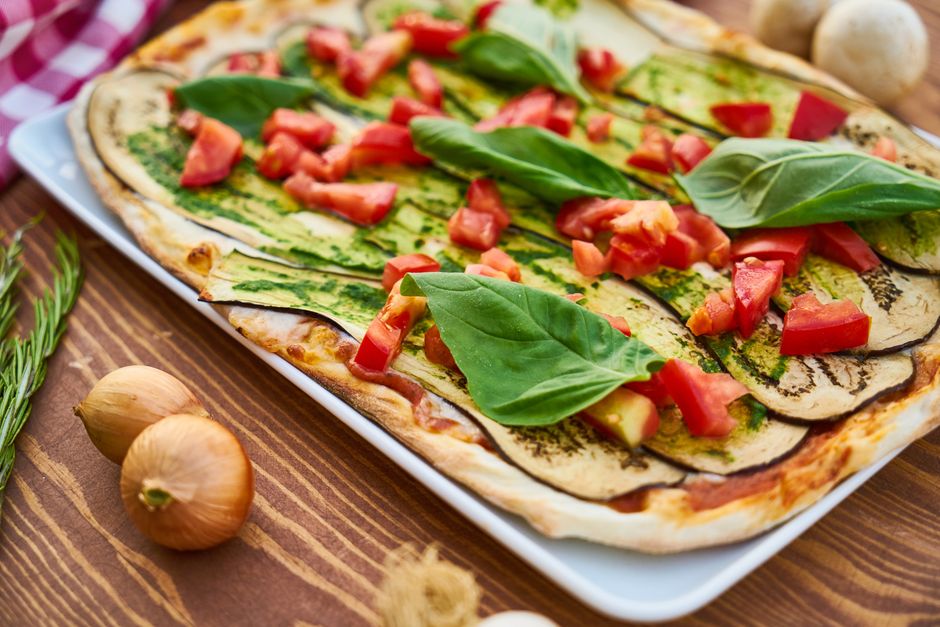
Digiorno pizza is not a health food, but it is also not a complete nutritional disaster if you eat it in moderation. A single serving of one-third of a standard pepperoni pizza contains around 340-380 calories, 14-18 grams of fat, 700-900 milligrams of sodium, and about 12-15 grams of protein. The real issue is that most people eat more than one serving, and the high sodium and refined carbohydrate content makes it a poor choice for regular meals. If you are asking whether this frozen pizza fits into a balanced diet, the honest answer is yes — but only as an occasional treat, not a staple.
What Is Actually in a Digiorno Pizza?
A standard Digiorno Rising Crust pepperoni pizza has a few main ingredients. The crust is made from enriched wheat flour, water, and oil. The sauce is tomato puree with sugar and spices. The cheese is part-skim mozzarella, and the toppings are processed meats like pepperoni.
The nutrition label lists one serving as one-third of the pizza. For a 12-inch pizza, that is roughly 340 calories. But the serving size is smaller than most people think. A typical adult eating pizza for dinner will eat half the pizza or more. That doubles or triples the numbers on the label.
Research from the USDA shows that frozen pizzas are one of the top sources of sodium in the American diet. One serving of Digiorno has around 750 milligrams of sodium. The American Heart Association recommends no more than 2,300 milligrams per day, with an ideal limit of 1,500 milligrams for most adults. One serving of Digiorno already takes up half of that daily allowance.
Is Digiorno Pizza Healthy Compared to Other Frozen Pizzas?
Compared to other frozen pizzas, Digiorno sits in the middle of the pack. It is not the worst option, but it is far from the best. Brands like Amy’s or California Pizza Kitchen often have lower sodium and more whole ingredients. Budget brands like Totino’s or Jack’s generally have more processed fillers and less protein.
| Pizza Brand (1/3 pizza serving) | Calories | Sodium (mg) | Protein (g) | Fiber (g) |
|---|---|---|---|---|
| Digiorno Rising Crust Pepperoni | 360 | 750 | 15 | 2 |
| Amy’s Cheese Pizza | 310 | 480 | 12 | 3 |
| California Pizza Kitchen Margherita | 320 | 620 | 14 | 2 |
| Totino’s Party Pizza (half pizza) | 390 | 820 | 10 | 1 |
The table shows that Digiorno is not the highest in sodium, but it is also not low. The protein content is decent for a frozen meal, but the fiber is low. Most frozen pizzas lack fiber because the crust is made from refined white flour.
A 2021 study in the Journal of the Academy of Nutrition and Dietetics found that frozen pizzas contribute about 5% of total sodium intake for American adults. That is a significant amount for a single food category.
What Are the Biggest Health Concerns With Digiorno Pizza?
The three main concerns are sodium, refined carbohydrates, and processed meats. Each of these has well-established health risks when consumed in high amounts over time.
Sodium is the most immediate problem. A single Digiorno pizza contains over 2,000 milligrams of sodium for the whole pizza. If you eat half, you are consuming close to 1,500 milligrams. The CDC reports that high sodium intake is directly linked to high blood pressure, heart disease, and stroke. Most Americans already consume too much sodium, and frozen pizza makes that problem worse.
Refined carbohydrates come from the crust. The enriched wheat flour used in Digiorno has been stripped of most fiber and nutrients. The glycemic index of a refined flour crust is high, meaning it raises blood sugar quickly. For people with diabetes or insulin resistance, this is a real concern. A 2019 review in Nutrients found that high consumption of refined grains is associated with increased risk of type 2 diabetes and cardiovascular disease.
Processed meats like pepperoni and sausage are classified as Group 1 carcinogens by the World Health Organization. That means there is strong evidence that processed meat causes cancer, specifically colorectal cancer. The risk increases with the amount consumed. Eating a Digiorno pizza once a month is not a significant risk. Eating it multiple times per week is a different story.



Can You Make Digiorno Pizza Healthier?
Yes, there are a few practical ways to improve the nutritional profile of a Digiorno pizza without changing the brand. These are not magic fixes, but they do help.
- Eat one serving, not the whole pizza. Stick to one-third of the pizza. Pair it with a large side salad or steamed vegetables. This adds fiber and volume without adding many calories.
- Add your own toppings. After cooking, add fresh vegetables like spinach, bell peppers, mushrooms, or arugula. This increases vitamins and fiber without adding sodium.
- Choose thin crust over rising crust. The thin crust version has fewer calories and less refined carbohydrate per serving. It also tends to have slightly lower sodium.
- Dab off excess oil. After baking, blot the top of the pizza with a paper towel. This removes some of the rendered fat from the cheese and pepperoni.
These strategies do not turn Digiorno into a health food. They simply make a less healthy meal less unhealthy. The same logic applies to any frozen pizza.
What Does the Research Say About Frozen Pizza and Diet Quality?
A 2020 study published in the journal Public Health Nutrition analyzed the nutritional content of over 300 frozen pizzas available in US grocery stores. The researchers found that the average frozen pizza contained 350 calories per serving, 14 grams of fat, and 780 milligrams of sodium. Only 12% of the pizzas met the FDA’s criteria for “healthy” labeling, which requires limited saturated fat, sodium, and added sugars.
Digiorno does not qualify as healthy under those criteria. The saturated fat content alone is a problem. One serving of Digiorno pepperoni pizza has about 5 grams of saturated fat, which is 25% of the daily recommended limit. The American Heart Association recommends keeping saturated fat to less than 7% of total daily calories.
Some people argue that frozen pizza is a convenient source of protein and calcium. The cheese does provide calcium, about 15-20% of the daily value per serving. But the calcium comes packaged with high sodium and saturated fat. There are better sources of calcium, like plain yogurt or leafy greens, that do not come with the same downsides.
There is no research specifically studying Digiorno pizza and long-term health outcomes. But there is plenty of research on the individual components. High intake of refined grains, processed meat, and sodium are all linked to chronic disease. The cumulative effect of eating these foods regularly is what matters.
Is Digiorno Pizza Healthy for Weight Loss?
If you are trying to lose weight, Digiorno pizza is not an ideal food. It is calorie-dense and not very filling. A serving of one-third of the pizza has 360 calories but only 2 grams of fiber. Fiber is what helps you feel full. Without it, you are likely to eat more than one serving.
Research published in the Journal of Nutrition found that meals high in refined carbohydrates lead to faster return of hunger compared to meals with whole grains and fiber. This means that eating Digiorno pizza may leave you hungry sooner than a meal with similar calories but more fiber and protein.
That said, weight loss is about overall calorie balance, not individual foods. If you fit one serving of Digiorno into your daily calorie target and account for the high sodium, it will not derail your progress. The problem is that most people do not stop at one serving. The pizza is designed to be palatable and easy to overeat. That is not an accident — food manufacturers engineer products to maximize consumption.
For weight loss, a better approach is to make your own pizza at home using a whole wheat crust, low-sodium sauce, part-skim cheese, and plenty of vegetables. You control the ingredients and the portion size. But if convenience is the priority, Digiorno in strict moderation is not going to ruin your diet.
Frequently Asked Questions
How many calories are in a whole Digiorno pizza?
A standard 12-inch Digiorno Rising Crust pepperoni pizza contains about 1,080 calories for the entire pizza. The thin crust version has around 840 calories total.
Is Digiorno pizza high in sodium?
Yes, a single serving has about 750 milligrams of sodium, and the whole pizza contains over 2,000 milligrams. That is close to the entire daily recommended limit for most adults.
Does Digiorno pizza contain trans fat?
Most Digiorno pizzas list 0 grams of trans fat on the label, but they may contain small amounts from partially hydrogenated oils used in the crust. The FDA allows products to label 0 grams if the amount is less than 0.5 grams per serving.
Can I eat Digiorno pizza on a low-carb diet?
No, a standard Digiorno pizza is high in refined carbohydrates. One serving contains about 35-40 grams of carbs. The thin crust version has slightly less but is still not suitable for a low-carb or keto diet.
