
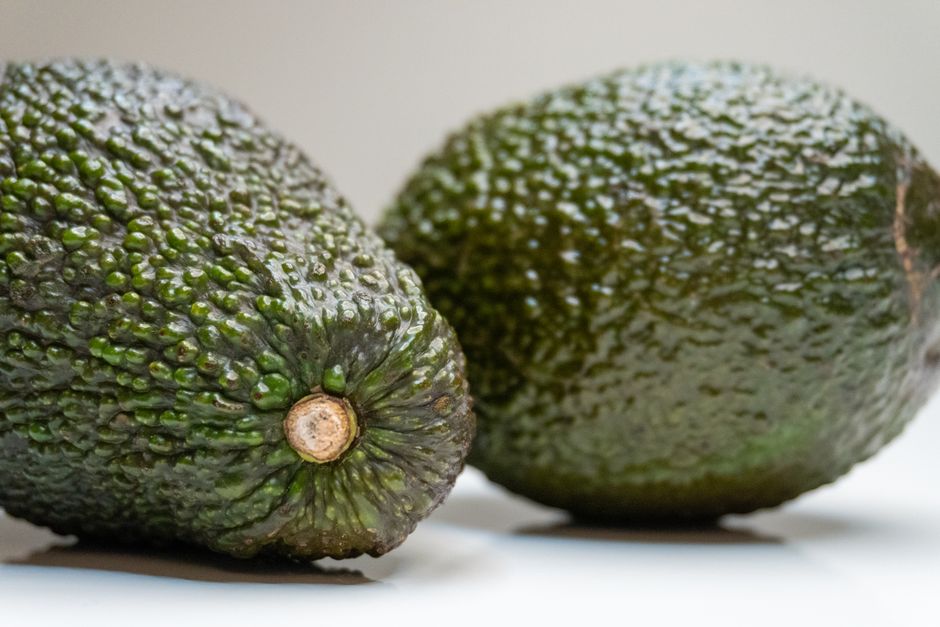
Avocados are a genuinely prebiotic food, and the evidence that they support gut health is strong. They are rich in fiber, particularly a type that feeds the beneficial bacteria in your colon. Eating them regularly is linked to a more diverse and healthier gut microbiome, which is a key marker of digestive health.
What Makes a Food Prebiotic?
A prebiotic is a type of fiber that your body cannot digest. It passes through your stomach and small intestine mostly intact. When it reaches your colon, it becomes food for the trillions of bacteria living there.
These beneficial bacteria ferment the fiber. This process produces short-chain fatty acids, which are compounds that nourish the cells lining your colon. This is how prebiotics support gut health — by feeding the good bacteria so they can thrive.
Not all fiber is prebiotic, but a significant portion of the fiber in avocados is. This makes them a legitimate prebiotic food, not just a source of general fiber.
Are Avocados Prebiotic And Good For Gut Health?
Yes, the research supports both parts of this question. Avocados are prebiotic because they contain specific types of fiber that feed gut bacteria. They are good for gut health because this feeding process promotes a healthier balance of microbes.
Studies have found that people who eat avocados daily have a greater diversity of gut bacteria. A diverse microbiome is generally considered a healthier one. Research published in the Journal of Nutrition found that daily avocado consumption increased the abundance of beneficial bacteria and reduced the presence of certain bile acids in the stool, which can be a marker of gut health.
The fiber in avocados also adds bulk to your stool. This helps with regularity and prevents constipation. The combination of feeding good bacteria and promoting regular bowel movements makes avocados a practical food for digestive health.
How Much Fiber Do Avocados Actually Have?
A standard serving of avocado — about one-third of a medium fruit — contains roughly 3 to 4 grams of fiber. A whole medium avocado contains around 10 grams of fiber. That is a substantial amount for a single food.
For context, the daily recommended fiber intake is about 25 grams for women and 38 grams for men. Eating a whole avocado provides roughly a quarter to a third of your daily fiber needs.
About 70 percent of the fiber in an avocado is insoluble, and about 30 percent is soluble. Both types matter. Insoluble fiber adds bulk and helps move waste through your system. Soluble fiber dissolves in water and is the primary food source for gut bacteria. Avocados provide both, which is why they are considered a well-rounded fiber source.





What Does the Research Show About Avocados and Gut Health?
Clinical trials have examined the specific effects of avocado consumption on the gut microbiome. The Journal of Nutrition study mentioned earlier is one of the most cited. In that trial, adults who ate one avocado per day for 12 weeks showed increased microbial diversity and a shift toward beneficial bacterial strains.
Another study published in Nutrients found that avocado consumption increased the production of short-chain fatty acids, particularly butyrate. Butyrate is the primary energy source for colon cells and plays a role in maintaining the gut barrier. A stronger gut barrier means fewer toxins and inflammatory compounds can leak into your bloodstream.
The evidence is not just theoretical. These are measurable changes in the gut environment after regular avocado consumption. The research is consistent and points in the same direction.
Does the Fat Content in Avocados Matter?
Avocados are unique among fruits because they are high in fat. Most of that fat is monounsaturated, specifically oleic acid. The same type of fat found in olive oil.
This fat content does not interfere with the prebiotic effect. In fact, it may help. Some research suggests that dietary fat can influence the gut microbiome, and monounsaturated fats are associated with beneficial changes in bacterial populations.
The fat also helps your body absorb fat-soluble vitamins like A, D, E, and K. If you eat other vegetables alongside avocado, you may absorb more nutrients from those vegetables. This is a secondary benefit that supports overall health, though it is not directly related to the prebiotic effect.
How Should You Eat Avocados for Gut Health?
There is no special preparation required. Avocados are prebiotic whether you eat them raw, mashed into guacamole, or sliced onto toast. Cooking does not destroy the fiber, though most people eat avocados raw anyway.
Consistency matters more than timing. Eating avocado regularly — several times per week — is what produces measurable changes in the gut microbiome. A single serving will not transform your gut bacteria.
Start with a reasonable portion. One-third to one-half of an avocado is a sensible serving. A whole avocado daily is fine for most people, but it adds about 240 calories and 22 grams of fat, so account for that in your overall diet.
If you are not used to eating a lot of fiber, introduce avocados gradually. A sudden large increase in fiber can cause bloating and gas as your gut bacteria adjust. This is normal and usually resolves within a week or two.
Are There Other Prebiotic Foods Worth Knowing About?
Avocados are excellent, but they are not the only prebiotic food. A varied diet is better for gut health than relying on any single food.
Other well-established prebiotic foods include:
- Garlic and onions, which contain inulin and fructooligosaccharides
- Bananas, especially slightly green ones, which contain resistant starch
- Oats and barley, which provide beta-glucan
- Apples, which contain pectin
- Leeks and asparagus, which are also high in inulin
- Legumes like lentils and chickpeas
Rotating these foods gives your gut bacteria a wider variety of fuel. Different bacteria prefer different types of fiber. A diverse fiber intake supports a diverse microbiome.
Do Avocado Supplements or Oils Work the Same Way?
No. Avocado oil contains no fiber. The prebiotic benefit comes from the flesh of the fruit, not the oil. If you are using avocado oil for cooking or dressings, you are getting healthy fats but no prebiotic effect.
Avocado powders and supplements are less studied. Some products claim to deliver the benefits of avocado in concentrated form. The evidence for these products is limited. Whole avocados are a better choice because they provide fiber, fat, and micronutrients together in a form your body handles naturally.
Can Anyone Eat Avocados for Gut Health?
Most people can eat avocados without any issues. They are not a common allergen. However, people with a latex allergy may experience cross-reactivity with avocados, which can cause mild symptoms like itching or hives.
People with irritable bowel syndrome, or IBS, sometimes find that high-fiber foods trigger symptoms. This is not universal. Some people with IBS tolerate avocados well because their soluble fiber is gentler than the insoluble fiber found in many other fruits and vegetables. If you have IBS, introduce avocados slowly and monitor your symptoms.
If you have a medical condition that requires a restricted fiber intake, such as after certain bowel surgeries, speak with your doctor before increasing your avocado consumption.
Frequently Asked Questions
How many avocados should I eat per week for gut health?
Eating half an avocado three to four times per week is a reasonable target supported by the research. This amount provides consistent fiber intake without excessive calories.
Is avocado better than other fruits for gut health?
Avocados are among the most fiber-dense fruits, but no single fruit is categorically better than all others. A variety of fruits and vegetables provides a wider range of prebiotic fibers.
Can eating avocado cause bloating?
It can if you suddenly increase your fiber intake. Your gut bacteria need time to adjust to the additional fiber, and temporary bloating or gas is common when starting any high-fiber food.
Does avocado oil help gut health?
Avocado oil provides healthy fats but contains no fiber, so it has no prebiotic effect. The gut health benefits come from eating the flesh of the avocado, not the oil.
