
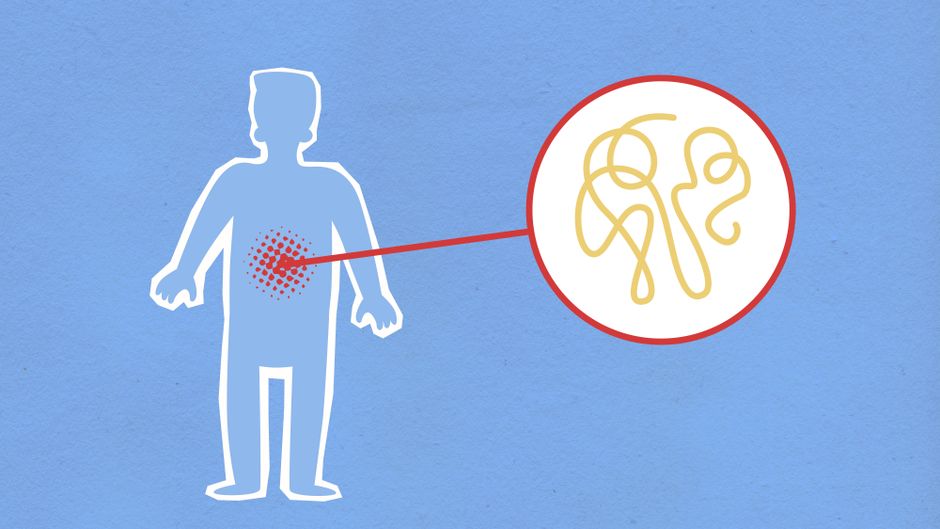
Most people only think about the appendix when it becomes a medical emergency. For decades, it was described as a useless leftover from human evolution. That view is outdated. The appendix is not essential for survival, but it is not useless either. Research now points to the appendix playing a role in gut health and immune function. It acts as a safe house for beneficial bacteria and contains immune tissue that helps the body respond to threats. Here is what the science actually says about what the appendix does, how it interacts with your gut, and what happens when it is removed.
What Does Our Appendix Do Gut Health And Immunity?
The appendix is a small, finger-shaped pouch attached to the large intestine on the lower right side of the abdomen. Its primary suspected role is to support the gut microbiome. The gut microbiome is the community of trillions of bacteria, viruses, and fungi that live in your digestive tract. These microbes help digest food, produce vitamins, and train the immune system. The appendix appears to serve as a reservoir for these beneficial bacteria. If an illness like cholera or dysentery flushes out the gut’s bacterial population, the appendix may help repopulate the colon with healthy microbes. It also contains lymphoid tissue, which is part of the immune system. This tissue can monitor the contents of the gut and help trigger an immune response when harmful pathogens are detected.
The evidence for these roles is strong but not absolute. Studies on animals have shown that removing the appendix changes the gut microbiome. Some human studies have also linked appendix removal to a slightly higher risk of certain infections. The appendix is not required for a healthy life, but it appears to be a functional part of the digestive and immune systems.
Is the Appendix a Vestigial Organ?
No, the appendix is not considered vestigial in the strict sense. A vestigial organ is one that has lost most or all of its original function through evolution. The human appendix has a clear structure and contains immune tissue, which indicates it has a purpose. The idea that it is useless came from early 20th-century anatomy. More recent research has changed that view. The appendix has a high concentration of immune cells called M cells, which sample bacteria and other particles passing through the gut. This sampling helps the immune system distinguish between harmless food particles and dangerous pathogens. The appendix also produces a thin layer of mucus that supports bacterial growth. These features suggest it is not a leftover but a specialized part of the gut.
That said, the appendix is not vital. People who have it removed live normal, healthy lives. The body compensates through other lymphoid tissues and the overall resilience of the gut microbiome. The appendix is best described as an optional but helpful component of the digestive system.
How Does the Appendix Support the Gut Microbiome?
The gut microbiome is not static. It changes with diet, illness, antibiotics, and stress. When the gut is disturbed, the appendix can act as a backup. Its narrow opening and protected position mean bacteria can survive there even when the colon is cleared out. Studies in animals have shown that after a severe gut infection, the appendix helps recolonize the intestine with its stored bacteria. This process is not fully understood in humans, but the anatomical evidence is consistent with this function.
Antibiotics are a common disruptor of the gut microbiome. They kill both harmful and beneficial bacteria. Some research suggests that having an intact appendix may help the microbiome recover faster after antibiotic use. The evidence here is preliminary. No large human trials have confirmed that appendix removal slows microbiome recovery. But the biological mechanism is logical, and animal studies support it.
The appendix also provides a stable environment for biofilm formation. Biofilms are communities of bacteria that attach to surfaces and form a protective layer. The appendix’s mucus layer encourages this. Biofilms in the appendix may serve as a continuous source of beneficial bacteria for the colon. This is an active area of research, and the clinical significance in humans is still being studied.




What Role Does the Appendix Play in Immunity?
The appendix contains a significant amount of gut-associated lymphoid tissue, or GALT. This tissue is part of the mucosal immune system, which protects the surfaces of the body that come into contact with the outside world, such as the gut, lungs, and mouth. The GALT in the appendix is similar to the tissue found in other parts of the intestine, but it is more concentrated there. This tissue produces antibodies, particularly immunoglobulin A, which helps neutralize pathogens in the gut.
The appendix may also play a role in immune tolerance. Immune tolerance is the process by which the body learns not to attack its own tissues or harmless substances. By sampling the contents of the gut, the appendix may help the immune system recognize harmless bacteria as normal. This could reduce the risk of inappropriate immune responses, such as food allergies or inflammatory bowel disease. Some studies have found a higher rate of certain autoimmune conditions in people who had their appendix removed, but the results are mixed. No clear cause-and-effect relationship has been established.
The appendix is not a primary immune organ like the spleen or lymph nodes. Its contribution is secondary. But it does participate in the immune surveillance of the gut, and its removal does not cause immune deficiency.
What Happens When the Appendix Is Removed?
Appendectomy, the surgical removal of the appendix, is one of the most common emergency surgeries in the world. It is performed when the appendix becomes inflamed, a condition called appendicitis. Appendicitis occurs when the opening of the appendix becomes blocked, often by stool, swelling, or infection. This blockage allows bacteria to multiply inside the appendix, leading to swelling, pain, and potentially rupture. A ruptured appendix can cause peritonitis, a severe infection of the abdominal cavity.
After an appendectomy, most people recover fully and notice no change in their digestion or health. The body adapts quickly. Some research suggests a slightly increased risk of certain infections, such as Clostridium difficile, after appendix removal. This infection is more common after antibiotic use and can cause severe diarrhea. The studies on this are observational, meaning they show a correlation but not proof of causation. The increased risk, if real, is small. For most people, the benefits of removing an infected appendix far outweigh any potential long-term effects.
There is no evidence that appendix removal causes long-term digestive problems, nutrient deficiencies, or immune dysfunction. The gut has multiple redundant systems that maintain health without the appendix.
Can You Prevent Appendicitis?
There is no reliable way to prevent appendicitis. The condition is not caused by a specific food, activity, or lifestyle choice. Some older theories suggested that a low-fiber diet increased the risk of appendicitis because it leads to harder stools that can block the appendix. The evidence for this is weak. A diet high in fiber is generally good for digestive health, but it has not been proven to prevent appendicitis.
Appendicitis can happen to anyone at any age, though it is most common in people between 10 and 30 years old. The classic symptom is pain that starts near the belly button and moves to the lower right side of the abdomen. The pain often worsens with movement, coughing, or pressure. Other symptoms include nausea, vomiting, loss of appetite, and fever. If you or someone you know has these symptoms, seek medical care immediately. Appendicitis is a medical emergency, and delaying treatment can lead to rupture.
The diagnosis of appendicitis is made through physical examination, blood tests, and imaging such as CT scans or ultrasound. It is not always straightforward. Other conditions, such as ovarian cysts, kidney stones, or intestinal infections, can cause similar pain. A doctor will rule out these possibilities before surgery is considered.
What Does the Future of Appendix Research Look Like?
Research on the appendix is ongoing, and several questions remain unanswered. Scientists are investigating whether the appendix plays a role in inflammatory bowel disease, such as Crohn’s disease and ulcerative colitis. Some studies have found that people who had their appendix removed at a young age have a lower risk of developing ulcerative colitis, but the reason is unknown. Other studies have found the opposite for Crohn’s disease, with appendix removal potentially increasing the risk. These findings are inconsistent, and no clinical recommendations have been made based on them.
Researchers are also studying the appendix’s role in the microbiome after antibiotic treatment. If the appendix does help restore beneficial bacteria, it may become a target for therapies aimed at protecting the gut during antibiotic use. This is speculative at this point. No clinical guidelines currently exist for using the appendix as a therapeutic target.
Another area of interest is the appendix’s role in the immune system’s response to vaccines. Since the appendix contains immune tissue, some researchers are exploring whether it contributes to the effectiveness of oral vaccines. This research is in its early stages, and no conclusions have been reached.
Frequently Asked Questions
Can you live a healthy life without an appendix?
Yes, you can live a completely healthy life without an appendix. The body adapts after removal, and no long-term health problems have been clearly linked to appendectomy.
Does the appendix affect your immune system?
The appendix contains immune tissue that helps monitor gut contents, but it is not essential for immune function. Other parts of the gut and immune system compensate fully if it is removed.
Can the appendix grow back after removal?
No, the appendix does not grow back after surgical removal. In rare cases, a small stump of tissue may remain, but it does not function as a new appendix.
Does removing the appendix increase the risk of other diseases?
Some observational studies have found a slightly higher risk of certain infections after appendix removal, but the evidence is not conclusive. For most people, the risk is very small and does not outweigh the need for surgery during appendicitis.
