
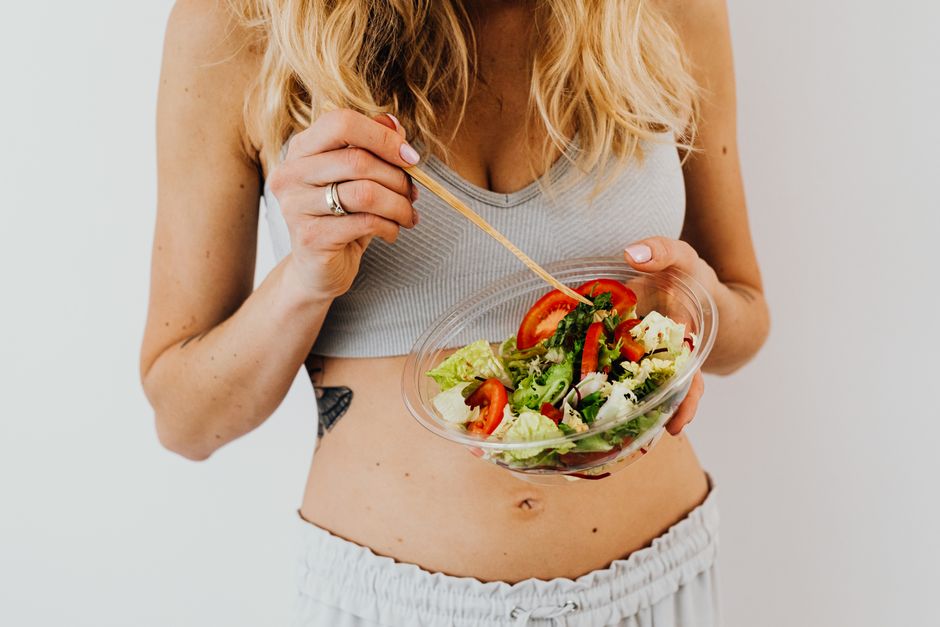
Your gut does more than digest food. It helps regulate inflammation, supports your immune system, and even communicates with your brain. The foods you eat every day directly shape the bacteria living in your digestive tract. Choosing the right foods can strengthen that community of microbes, while poor choices can weaken it. The most effective foods for gut health are high in fiber, fermented, or rich in polyphenols — plant compounds that feed beneficial bacteria. You do not need expensive supplements or trendy products to see results. Real food, eaten consistently, is the foundation.
What Foods Help with Gut Health? The Core Foods That Matter
The foods that help with gut health fall into three main groups. Each works differently, and you benefit most from eating a mix of all three.
Fiber-rich plant foods are the primary fuel for beneficial gut bacteria. When bacteria break down fiber, they produce short-chain fatty acids like butyrate. These compounds nourish the cells lining your colon and help maintain a healthy gut barrier. Good sources include oats, barley, beans, lentils, chickpeas, apples, bananas, berries, and leafy greens.
Fermented foods contain live microorganisms that can temporarily add to the bacterial population in your gut. Yogurt with live cultures, kefir, sauerkraut, kimchi, and miso are common examples. Not all fermented foods contain live cultures — pasteurized versions do not. Check labels for “live and active cultures” or similar wording.
Polyphenol-rich foods are plant compounds that act as antioxidants. Your body absorbs only a small portion of them. The rest travel to your colon, where gut bacteria use them as fuel. Dark chocolate, green tea, coffee, red grapes, olives, and colorful berries are all strong sources.
Eating a variety of these foods matters more than eating large amounts of any single one. Different bacteria prefer different fuels. A wider variety of plant foods supports a wider variety of bacterial species.
Why Fiber Is the Most Important Nutrient for Your Gut
Fiber is the single most reliable dietary lever for improving gut health. It is the carbohydrate your body cannot digest. Instead of being absorbed in your small intestine, it passes to your colon intact. There, bacteria ferment it.
Most American adults eat far less fiber than recommended. The general dietary guidance for adults is about 25 to 38 grams per day, depending on age and sex. Most people eat roughly half that amount. Increasing fiber intake is the clearest dietary change you can make for your gut.
When fiber intake is low, bacteria starve. They may begin to degrade the mucus layer that protects your intestinal lining. Over time, this can weaken the gut barrier. A weakened barrier allows partially digested food particles and bacterial fragments to enter the bloodstream, triggering low-grade inflammation. This process is not fully proven in humans, but the animal evidence is consistent, and the dietary logic is sound.
If you currently eat little fiber, increase it gradually. A sudden jump can cause bloating, gas, and cramping. Add a few extra grams per day over several weeks. Drink plenty of water as you increase fiber — it helps the fiber move through your system smoothly.
Fermented Foods Add Live Bacteria to Your Digestive System
Fermented foods are the most direct way to introduce live microbes through your diet. The bacteria in these foods are not the same species that naturally live in your colon. Most do not colonize permanently. They pass through, but while they are present, they can influence digestion and immune activity.
Research on fermented foods has grown substantially in recent years. Some studies have found that regular consumption of fermented foods can increase microbial diversity in the gut. Diversity is generally considered a marker of gut health, though the exact meaning is still being worked out. Other studies have examined specific fermented foods like yogurt and kefir for their effects on digestion and inflammation. Results are promising but not uniform across all fermented foods.
Yogurt is the most studied fermented food. Live-culture yogurt contains bacteria like Lactobacillus and Bifidobacterium, both of which are common probiotics. Kefir is a fermented milk drink that contains a wider range of bacterial and yeast strains. Vegetable ferments like kimchi and sauerkraut provide bacteria plus the fiber and polyphenols of the vegetables themselves.
One caution: many commercial products labeled “fermented” are pasteurized after fermentation. Pasteurization kills the live bacteria. If you want the live microbes, look for refrigerated products that specify live cultures. If you choose pasteurized fermented foods, you still get the nutritional benefits of the food itself, but not the live bacteria.



Prebiotics Feed the Bacteria You Already Have
Prebiotics are specific types of fiber that selectively feed beneficial bacteria. They are not the same as probiotics, which are live microorganisms. Prebiotics are fuel. You do not need to take a supplement to get them — many common foods are rich in prebiotic fiber.
Garlic, onions, leeks, asparagus, Jerusalem artichokes, and bananas are all good sources. These foods contain inulin and fructo-oligosaccharides, two well-studied prebiotic fibers. Whole grains, beans, and oats provide other types of fermentable fiber that also support bacterial growth.
Some research suggests that combining prebiotics and probiotics — sometimes called a “synbiotic” approach — may be more effective than either alone. The logic is straightforward: the probiotic provides the bacteria, and the prebiotic provides the food those bacteria need to thrive. You can achieve this combination through food. Yogurt topped with sliced banana and oats is a simple example.
Prebiotic supplements exist, but they are not necessary for most people. Whole food sources provide the same fibers along with other nutrients. If you do try a supplement, start with a low dose. Prebiotic powders can cause significant gas and bloating at higher doses.
Foods That Can Harm Your Gut Microbiome
Knowing what to avoid is as important as knowing what to eat. Some dietary patterns consistently associate with lower microbial diversity and less favorable gut health.
Ultra-processed foods are the clearest concern. These products typically contain low fiber, high refined sugar, artificial additives, and emulsifiers. Some research in animals suggests that certain emulsifiers may directly damage the mucus layer of the gut. Human evidence is still limited, but the overall dietary pattern is consistently linked to worse gut health.
Artificial sweeteners have been studied for their effects on gut bacteria. Some studies in animals suggest that certain sweeteners can alter the microbiome. Human studies are mixed and much smaller. The evidence is not strong enough to say definitively that artificial sweeteners harm the gut, but it is also not strong enough to dismiss the concern entirely.
Excess alcohol can disrupt the gut barrier and alter bacterial composition. Heavy drinking is associated with increased intestinal permeability, sometimes called “leaky gut.” The evidence for moderate drinking is less clear, and some research even suggests that small amounts of wine may have neutral or positive effects, possibly due to polyphenols.
No single food will destroy your gut health. The overall pattern matters more. A diet heavy in processed foods and low in plants will consistently produce a less diverse microbiome than a diet centered on whole foods.
How Long Does It Take to See Changes?
Your gut microbiome can change quickly, but the changes may not last if you stop eating the foods that caused them. Studies have shown that dietary shifts can alter bacterial populations within days. One well-known study found that switching entirely to animal-based or plant-based diets changed the microbiome within 48 hours.
However, rapid changes are not the same as lasting changes. Some bacterial populations rebound quickly when the diet returns to baseline. For lasting improvement, consistency matters more than intensity. Eating a diverse range of plant foods most days of the week is more effective than a perfect two-week diet followed by a return to old habits.
There is no standard timeline for feeling different. Some people notice improved digestion within a week or two. Others notice no immediate change but see long-term benefits in regularity or reduced bloating. The gut-brain connection means some people also report changes in mood or energy, though this is harder to measure and less consistently proven.
Do You Need Probiotic Supplements?
Probiotic supplements are widely marketed for gut health, but the evidence for their effectiveness is more complicated than marketing suggests. Different strains have different effects. A supplement that helps one condition may do nothing for another. The research on specific strains for specific conditions is still developing.
For healthy people eating a varied diet, probiotic supplements are likely unnecessary. Food sources of probiotics provide the same kinds of bacteria along with other nutrients. Fermented foods also deliver far more microbial diversity than any single supplement.
There are situations where probiotics may be genuinely helpful. Some research supports specific strains for preventing antibiotic-associated diarrhea. Other strains have been studied for irritable bowel syndrome symptoms. But these are targeted uses, not general recommendations. If you are considering a probiotic for a specific health condition, talk to a clinician who is familiar with the evidence.
One more point: probiotic supplements are not regulated like medications. The number of live bacteria in a product at the time of purchase may differ from what the label claims. Quality varies between brands. If you do choose a supplement, pick a well-known brand that tests its products for potency.
Frequently Asked Questions
What is the fastest way to improve gut health?
Add one or two servings of fiber-rich plant foods to your daily diet and include a serving of fermented food with live cultures. Changes in gut bacteria can begin within days, but lasting improvement requires consistent eating habits.
Are apples good for gut health?
Yes. Apples contain pectin, a soluble fiber that ferments in the colon and feeds beneficial bacteria. They also contain polyphenols that support microbial diversity.
Is it better to eat fermented foods or take a probiotic supplement?
Fermented foods are generally the better choice because they provide live bacteria along with fiber, vitamins, and other nutrients. Supplements may be useful for specific conditions, but they are not a substitute for a healthy diet.
Can drinking more water improve gut health?
Adequate water intake helps fiber move through your digestive tract and prevents constipation. Water itself does not directly feed gut bacteria, but it supports the overall digestive process.
