
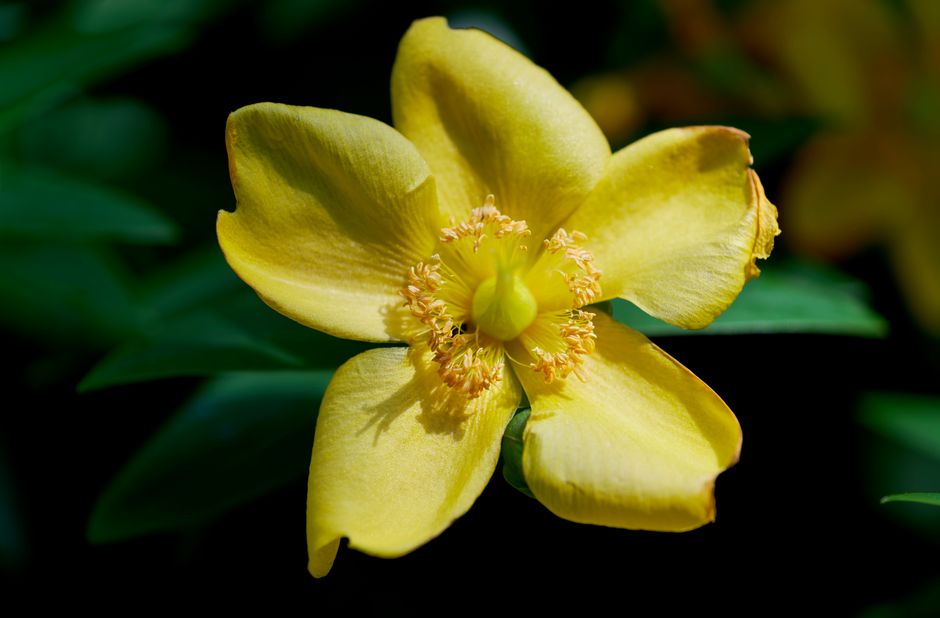
St. John’s wort is one of the most researched herbal remedies for depression, but its effect on anxiety is different. The evidence for anxiety is much weaker than it is for mild depression. While some people report feeling calmer, clinical studies have not consistently confirmed that St. John’s wort reduces anxiety on its own. If you are considering it, you need to understand what it can do, what it cannot do, and the serious risks it carries with common medications.
What Is St. John’s Wort?
St. John’s wort is a yellow-flowered plant used in herbal medicine for centuries. The scientific name is Hypericum perforatum. The flowering tops are dried and made into capsules, tablets, teas, and liquid extracts.
The active compounds are thought to include hypericin and hyperforin. These substances affect brain chemicals like serotonin, dopamine, and norepinephrine. This is why the herb has been studied mainly for depression.
In many European countries, St. John’s wort is prescribed by doctors for mild to moderate depression. In the United States, it is sold as a dietary supplement. That means it is not regulated as a drug, and the strength and quality can vary between brands.
Does St. John’s Wort Actually Help Anxiety?
The short answer is that the evidence is mixed and limited. Some small studies have shown a benefit for anxiety symptoms, but larger and more rigorous trials are lacking.
One issue is that anxiety and depression often overlap. People who feel anxious are frequently also depressed. When studies show St. John’s wort helping with mood, anxiety scores may improve along with it. But that does not prove the herb directly treats anxiety.
Some research suggests St. John’s wort may help with specific anxiety conditions, such as social anxiety disorder or generalized anxiety disorder. However, these studies are small and not conclusive. The evidence is not strong enough to recommend St. John’s wort as a reliable treatment for any anxiety disorder.
If you have mild, occasional anxiety, St. John’s wort might help you feel somewhat calmer. But if you have an anxiety disorder that interferes with daily life, this herb is not a proven solution.
How St. John’s Wort Works in the Brain
St. John’s wort appears to work similarly to some antidepressant medications. It is believed to inhibit the reuptake of serotonin, dopamine, and norepinephrine. This means these brain chemicals stay active longer in the spaces between nerve cells.
Serotonin is strongly linked to mood and anxiety regulation. Many prescription anti-anxiety and antidepressant medications target serotonin. This is why St. John’s wort has been studied for these conditions.
But there is an important difference. Prescription medications are standardized. You know exactly how much active ingredient you are getting. St. John’s wort supplements vary widely in potency. One brand may be much stronger or weaker than another.
Also, the herb contains many compounds beyond hypericin and hyperforin. It is not fully understood which compounds are responsible for its effects, or how they interact with each other.




Serious Drug Interactions You Must Know About
This is the most important section in this article. St. John’s wort can be dangerous when combined with certain medications. It changes how the liver processes drugs, which can make some medications less effective and others more toxic.
St. John’s wort is known to interact with:
- Antidepressants, especially SSRIs like fluoxetine (Prozac) and sertraline (Zoloft). Combining them can cause serotonin syndrome, a potentially life-threatening condition.
- Birth control pills. St. John’s wort can make them less effective, leading to unplanned pregnancy.
- Blood thinners like warfarin. The herb can reduce the medication’s effect, raising the risk of blood clots.
- Immunosuppressants used after organ transplants, such as cyclosporine. St. John’s wort can cause organ rejection by making these drugs less effective.
- Certain heart medications, HIV medications, and cancer treatments.
If you take any prescription medication, talk to your doctor or pharmacist before using St. John’s wort. This is not optional. The interactions are well documented and can be severe.
Common Side Effects and Risks
St. John’s wort is not harmless just because it is natural. It has side effects that some people experience.
The most common side effects include:
- Dry mouth
- Dizziness
- Diarrhea
- Fatigue
- Headache
- Increased sensitivity to sunlight. This can lead to severe sunburns, especially in fair-skinned people.
Photosensitivity is a real concern. If you take St. John’s wort, you should use sunscreen and avoid prolonged sun exposure. Some people develop blistering rashes after only brief time in the sun.
St. John’s wort can also trigger a manic episode in people with bipolar disorder. If you have a history of mania or bipolar disorder, you should not take this herb without close medical supervision.
What the Research Says About Anxiety Specifically
Research on St. John’s wort for anxiety is not as robust as research for depression. Most of the clinical trials have focused on depressive disorders, with anxiety as a secondary measure.
Some studies indicate that St. John’s wort may reduce anxiety symptoms in people who also have depression. But there is no strong evidence that it works as a standalone treatment for anxiety disorders.
One challenge in studying herbal remedies is the placebo effect. People who believe a treatment will work often feel better even if the treatment is inactive. Some studies have found that St. John’s wort performs only slightly better than placebo for anxiety, which is not enough to confirm a real effect.
The bottom line is that no large, well-designed clinical trials have confirmed that St. John’s wort effectively treats anxiety. If a product claims otherwise, that claim goes beyond the current evidence.
St. John’s Wort vs. Standard Anxiety Treatments
Standard treatments for anxiety include therapy and medication. Cognitive behavioral therapy (CBT) has strong evidence for treating anxiety disorders. Medications like SSRIs and serotonin-norepinephrine reuptake inhibitors (SNRIs) are also well studied.
Compared to these options, St. John’s wort is not a proven alternative. It has weaker evidence, unpredictable potency, and significant drug interactions.
That does not mean prescription medications are right for everyone. They have side effects too, and some people prefer to avoid them. But choosing St. John’s wort over a proven treatment for a diagnosed anxiety disorder could mean delaying effective care.
If your anxiety is mild and you want to try a natural approach first, that is a personal decision. But do it with full information and ideally with guidance from a healthcare provider.
How to Take St. John’s Wort Safely If You Choose to Try It
If you decide to try St. John’s wort after discussing it with your doctor, there are some practical points to consider.
Standard doses used in depression studies range from 300 mg to 900 mg of extract taken two to three times daily. But you should not assume the same dose applies to anxiety. No clinical guidelines currently exist for using St. John’s wort specifically for anxiety.
Choose a brand that standardizes its extract to contain a consistent amount of hypericin, usually 0.3 percent. This at least gives you some consistency between batches.
It can take several weeks to notice any effect. Do not expect immediate relief. If you feel worse, or if your anxiety does not improve after six to eight weeks, stop taking it and talk to a professional.
Never combine St. John’s wort with other antidepressants or anti-anxiety medications. The risk of serotonin syndrome is real and dangerous.
When to Seek Professional Help for Anxiety
Anxiety is common, but it is not something you have to manage alone. If your anxiety is persistent, severe, or interfering with work, relationships, or daily activities, professional help is the right step.
Signs that you should see a doctor or mental health professional include:
- Feeling anxious or worried most days for six months or longer
- Panic attacks
- Avoiding situations because of fear
- Trouble sleeping because of racing thoughts
- Difficulty concentrating or completing tasks
Therapy, particularly CBT, has strong evidence for treating anxiety. Medications are also effective for many people. A healthcare provider can help you weigh the options and find what works for you.
Herbal supplements can have a place in some people’s wellness routines. But for a condition as impactful as anxiety, evidence-based treatments should be the first line of defense.
Frequently Asked Questions
Can I take St. John’s wort with my anxiety medication?
No. Combining St. John’s wort with anxiety or depression medications can cause serotonin syndrome, a dangerous condition. Talk to your doctor before combining any supplements with prescription medications.
How long does St. John’s wort take to work for anxiety?
Most studies suggest it takes four to six weeks to see any effect on mood. No clinical guidelines exist for anxiety specifically, so the timeline is not well established.
Is St. John’s wort safe for long-term use?
Long-term safety data is limited. Most studies have lasted only a few months, so the effects of using it for years are not well understood.
Does St. John’s wort cause weight gain?
Weight gain is not a commonly reported side effect of St. John’s wort. The more common side effects include dry mouth, dizziness, and sun sensitivity.
