
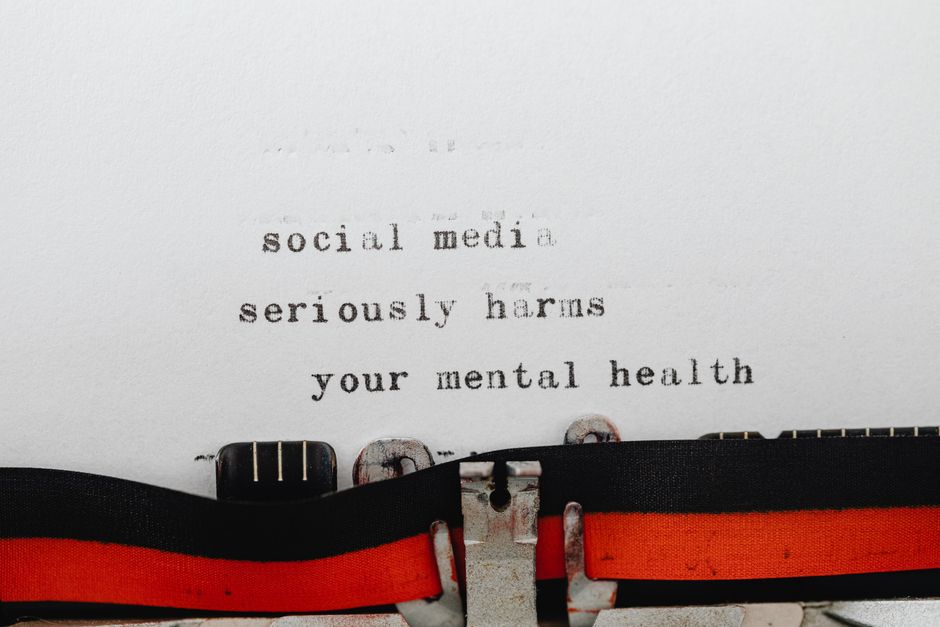
Social media can cause anxiety by constantly exposing you to comparisons, triggering fear of missing out, and keeping your brain in a state of high alert with endless notifications. The design of these platforms taps into basic human needs for connection and approval, which can create a cycle of stress and self-doubt. While social media is not a medical diagnosis, research consistently links heavy use to higher rates of anxiety symptoms in adults.
What Happens in Your Brain When You Scroll?
Every notification, like, or comment delivers a small burst of dopamine. That is the brain’s reward chemical. It feels good, so you want more. This is the same pathway involved in many habitual behaviors.
But anxiety is not about the reward. It is about the anticipation of the reward. You check your phone to see if someone responded. You refresh the feed to see if something new appeared. That constant checking keeps your stress response slightly activated throughout the day.
Your body cannot tell the difference between a real threat and a social snub. A delayed reply can trigger the same physiological alert as a minor physical danger. Over time, this low-grade stress becomes background noise, leaving you feeling tense and on edge even when you are not on your phone.
How Comparison Fuels Self-Doubt
People post highlights, not reality. You see vacations, promotions, and perfect family photos. You do not see the arguments, the exhaustion, or the ordinary Tuesday nights.
When you compare your real life to someone else’s curated feed, you are comparing an unfiltered documentary to a heavily edited trailer. This is called upward social comparison. Research shows this habit is linked to lower self-esteem and higher anxiety.
The problem is not that you are failing. The problem is that the comparison is unfair. You are measuring your behind-the-scenes against their highlight reel. No one wins that contest.
Fear of Missing Out Keeps You Hooked
Fear of missing out, often called FOMO, is the uneasy feeling that others are having rewarding experiences without you. Social media is designed to trigger this feeling.
Seeing friends at a gathering you were not invited to can cause genuine distress. Even seeing a casual group photo can spark the thought that you are being left out. This is not vanity. It is a basic human need to belong.
FOMO drives you to check your phone more often to stay in the loop. The more you check, the more opportunities you find to feel left out. It becomes a loop that feeds itself.





Why Doomscrolling Worsens Anxiety
Doomscrolling is the habit of consuming large amounts of negative news in one sitting. It feels productive, like you are staying informed. But it is not helping you.
Constant exposure to bad news, especially content that feels out of your control, activates the brain’s threat detection system. Your mind starts to expect danger everywhere. This is called negativity bias. Your brain naturally pays more attention to threats than to positive information.
Spending 30 minutes on distressing content before bed can leave you lying awake with racing thoughts. You are not solving anything by scrolling. You are just feeding your brain a steady diet of worry.
How Sleep Disruption Plays a Role
Social media directly interferes with sleep in two ways. First, the blue light from screens can delay melatonin production, making it harder to fall asleep. Second, the content itself keeps your mind active.
Engaging with an argument or an exciting post right before bed makes it harder to wind down. Your brain is still processing the emotional content while you are trying to sleep. This can lead to lighter sleep and more nighttime awakenings.
Poor sleep and anxiety are closely linked. When you are sleep-deprived, your emotional regulation weakens. Small stressors feel bigger. Things that would not bother you on a full night of rest suddenly feel overwhelming.
Can Social Media Actually Cause an Anxiety Disorder?
Social media does not cause an anxiety disorder on its own. Anxiety disorders are complex conditions with genetic, biological, and environmental components. But social media can trigger or worsen anxiety symptoms in people who are already prone to them.
Some studies suggest that people who spend more than three hours a day on social media report higher levels of anxiety and depression. Other research shows that reducing social media use can improve mood and reduce anxiety symptoms. The evidence points in the same direction: heavy use is linked to worse mental health.
If you already struggle with anxiety, social media can act as a fuel. It provides constant triggers for worry, comparison, and self-criticism. It does not create the underlying condition, but it can keep the fire burning.
What Are the Signs That Social Media Is Hurting You?
It is not always obvious when social media is taking a toll. Here are some signs that your use may be contributing to anxiety:
- You feel tense or irritable when you cannot check your phone
- You compare your life to others’ posts and feel worse afterward
- You lose track of time scrolling and feel guilty about it
- You check notifications repeatedly even when you know nothing new is there
- You avoid posting because you worry about how others will judge you
- You feel anxious or left out after seeing friends’ activities online
These signs do not mean you have a disorder. They mean your current habits are working against you. That is something you can change.
Practical Steps to Reduce Social Media Anxiety
You do not need to quit social media completely to feel better. Small changes can break the cycle.
Set time limits. Most phones have built-in screen time tools. Start by cutting your daily use by 30 minutes. Even this small reduction can help.
Turn off notifications. Notifications are designed to pull you back in. Turning them off removes the constant interruptions and gives you control over when you check your apps.
Curate your feed. Unfollow accounts that make you feel inadequate or anxious. Follow accounts that educate, inspire, or simply make you laugh. Your feed should serve you, not stress you.
Create phone-free zones. Keep your phone out of the bedroom and off the dinner table. These boundaries give your brain a break from constant input.
Do a digital detox. Some people benefit from taking a full day or weekend off social media. If the idea of a break feels stressful, that is a sign you need one.
When to Seek Professional Help
If anxiety is interfering with your daily life, work, or relationships, it is worth talking to a professional. A therapist or counselor can help you understand your anxiety patterns and develop coping strategies.
This is especially important if you experience physical symptoms like a racing heart, chest tightness, or difficulty breathing. These can be signs of an anxiety disorder that benefits from treatment.
Social media habits are one piece of the puzzle. A mental health professional can help you look at the whole picture. There is no shame in asking for support. Anxiety is common and treatable.
Frequently Asked Questions
Can social media cause anxiety or just make it worse?
Social media can both trigger anxiety symptoms and worsen existing anxiety. For people who are already prone to anxiety, heavy social media use often acts as an amplifier.
How much social media use is too much?
Research suggests that more than three hours a day is linked to higher anxiety levels, but the right amount varies by person. The more important question is how you feel during and after use.
Does quitting social media reduce anxiety?
Some studies show that taking a break from social media can reduce anxiety and improve mood, but the effect varies by individual. Most people report feeling calmer after a short detox.
Why do I feel anxious after scrolling social media?
Scrolling triggers social comparison, fear of missing out, and exposure to negative news, all of which can activate your stress response. The feeling usually fades, but repeated exposure keeps the cycle going.
