
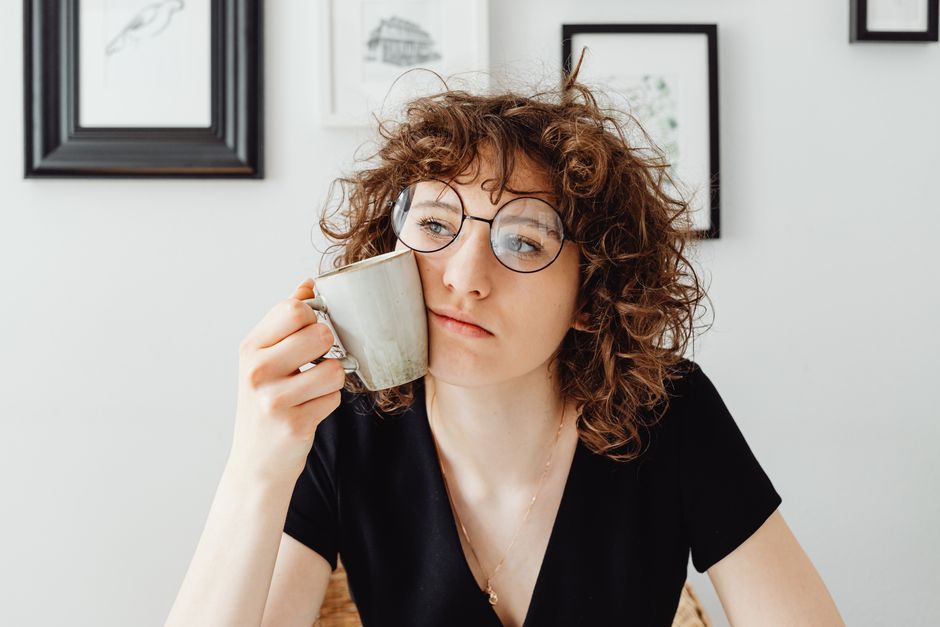
Yes, coffee can cause anxiety hours later. Caffeine’s effects do not end when your cup is empty. The stimulant can stay active in your body for many hours, and for some people, this lingering effect triggers or worsens anxiety well after their last sip. The timing and intensity depend on your body, how much you drank, and your natural sensitivity to caffeine.
How Caffeine Works in Your Body
Caffeine is a stimulant that blocks adenosine receptors in the brain. Adenosine is a chemical that builds up through the day and makes you feel sleepy. When caffeine blocks it, you feel more alert and awake.
But caffeine also raises your heart rate and blood pressure. It increases stress hormones like adrenaline and cortisol. These are the same chemicals your body releases when you feel threatened. For most people, this feels like energy. For others, it feels like nervousness, jitters, or a racing heart.
The body breaks down caffeine at different speeds in different people. The average half-life of caffeine is about five hours. That means if you drink 200 mg of caffeine at noon, about 100 mg is still in your system at 5 p.m. Half of that remains at 10 p.m. For some people, the half-life is much longer — up to nine or ten hours.
This is why a morning coffee can still affect you in the afternoon. And an afternoon coffee can definitely affect your evening. The anxiety-like symptoms can appear as the caffeine peaks and again as it wears off.
Can Coffee Cause Anxiety Hours Later?
Yes, and the delay is often tied to how caffeine is processed. The peak effect of caffeine usually happens within 30 to 60 minutes. But the body continues to feel its effects for hours afterward as the drug slowly clears.
Some people notice anxiety symptoms four to six hours after drinking coffee. Others feel it even later. This is not unusual. The symptoms may be milder than the immediate buzz, but they are real.
Common delayed symptoms include:
- Racing thoughts
- Restlessness
- A feeling of dread or worry without a clear cause
- Rapid heartbeat
- Trouble settling down at night
These symptoms can be confused with general anxiety or stress. If you only connect them to coffee when you drink it, you may miss the connection when they show up later.
What Makes Some People More Sensitive
Genetics play a large role in caffeine sensitivity. A specific gene, CYP1A2, controls how fast your liver breaks down caffeine. People with a “slow” version of this gene keep caffeine in their system longer. They are more likely to feel anxious, jittery, or have trouble sleeping even from moderate amounts.
People with a “fast” version break down caffeine quickly. They can drink coffee late in the day and sleep fine. But even fast metabolizers can feel anxious if they drink enough.
Other factors also matter:
- Your usual caffeine intake — regular drinkers build tolerance
- Body weight and liver health
- Hormonal changes, especially during pregnancy or menopause
- Certain medications that slow caffeine breakdown
- Existing anxiety disorders
If you already have an anxiety disorder, caffeine can make symptoms worse. Studies have shown that people with panic disorder are especially sensitive to caffeine. Even small amounts can trigger panic-like symptoms.

How Much Caffeine Is Too Much
For healthy adults, up to 400 mg of caffeine per day is generally considered safe. That is roughly four cups of brewed coffee. But “safe” does not mean “anxiety-free.” Some people feel anxious at much lower doses.
A single cup of brewed coffee contains about 95 mg of caffeine. Espresso has about 63 mg per shot. Energy drinks vary widely, often containing 70 to 200 mg per can. Soda has less — usually 30 to 50 mg per can — but it still adds up.
If you are prone to anxiety, you may do better with a lower limit. Some experts suggest staying under 200 mg per day if you are sensitive. That is about two small cups of coffee.
There is no official guideline for caffeine and anxiety specifically. The 400 mg limit is about general health, not mental health. Listen to your body. If coffee makes you anxious, it does not matter if you are under the official limit.
How to Tell If Coffee Is the Cause
It can be hard to separate caffeine-related anxiety from everyday stress. A simple test can help.
Try cutting caffeine completely for one to two weeks. If your anxiety symptoms improve or disappear, caffeine is likely a contributor. If they stay the same, something else may be driving them.
Keep a simple log for a few days. Write down:
- When you drink coffee or other caffeinated drinks
- How much you drink
- How you feel 1 hour later
- How you feel 4 hours later
- How you feel 8 hours later
Patterns often show up quickly. You may notice that your afternoon anxiety always follows a morning coffee. Or that your evening restlessness happens on days you had a second cup.
Be honest about other sources of caffeine. Tea, chocolate, some medications, and even decaf coffee contain small amounts. They are rarely the main cause of anxiety, but they add to your total daily intake.
What to Do If Coffee Makes You Anxious
If you suspect coffee is causing or worsening your anxiety, the most direct step is to reduce your intake. You do not have to quit completely. Many people find a lower dose works fine.
Try these steps:
- Switch to half-caff or a smaller cup
- Stop all caffeine after noon
- Drink water between caffeinated drinks
- Wait 2 hours between cups instead of drinking continuously
- Try green tea, which has less caffeine and may have a gentler effect
When you cut back, you may get headaches and feel tired for a few days. This is withdrawal, and it is temporary. Symptoms usually peak within 24 to 48 hours and fade within a week.
If you reduce caffeine and anxiety continues, talk to a doctor. Anxiety has many causes. Caffeine may be one piece of a larger picture. A healthcare provider can help you figure out what is going on and what treatments might help.
Do not stop caffeine suddenly if you drink a lot every day. Tapering down over several days is more comfortable and less likely to cause severe withdrawal headaches.
When to Seek Professional Help
Occasional anxiety after coffee is common and usually not dangerous. But if anxiety is frequent, intense, or interfering with your daily life, it deserves attention.
Seek help if you experience:
- Panic attacks
- Anxiety that does not go away when you stop caffeine
- Trouble sleeping most nights
- Avoidance of normal activities because of worry
- Physical symptoms like chest pain or shortness of breath
A doctor or mental health professional can assess your symptoms and recommend appropriate care. This might include therapy, medication, or lifestyle changes. Caffeine reduction can help, but it is not a substitute for professional treatment when anxiety is significant.
If you ever experience chest pain, fainting, or severe shortness of breath, seek emergency care. These symptoms can be signs of a heart problem, not just anxiety. Do not assume they are caffeine-related without a medical evaluation.
Frequently Asked Questions
How long after drinking coffee can anxiety start?
Anxiety can start within 30 to 60 minutes after drinking coffee, when caffeine levels peak in your blood. It can also appear hours later as the caffeine slowly leaves your system, especially in people who metabolize it slowly.
Can coffee cause anxiety the next day?
It is unlikely for caffeine alone to cause anxiety the next day, since most of it is cleared overnight. However, poor sleep from caffeine can make you feel more stressed and anxious the following day.
Why does coffee make me anxious but not other people?
Genetics determine how fast your body breaks down caffeine, and some people are naturally more sensitive to its effects. Existing anxiety disorders, medications, and hormonal changes can also make you more reactive to caffeine.
Should I stop drinking coffee if it gives me anxiety?
You do not necessarily have to quit completely. Reducing your intake, switching to lower-caffeine options, and stopping caffeine by early afternoon often helps. If symptoms continue, talk to a doctor.
