
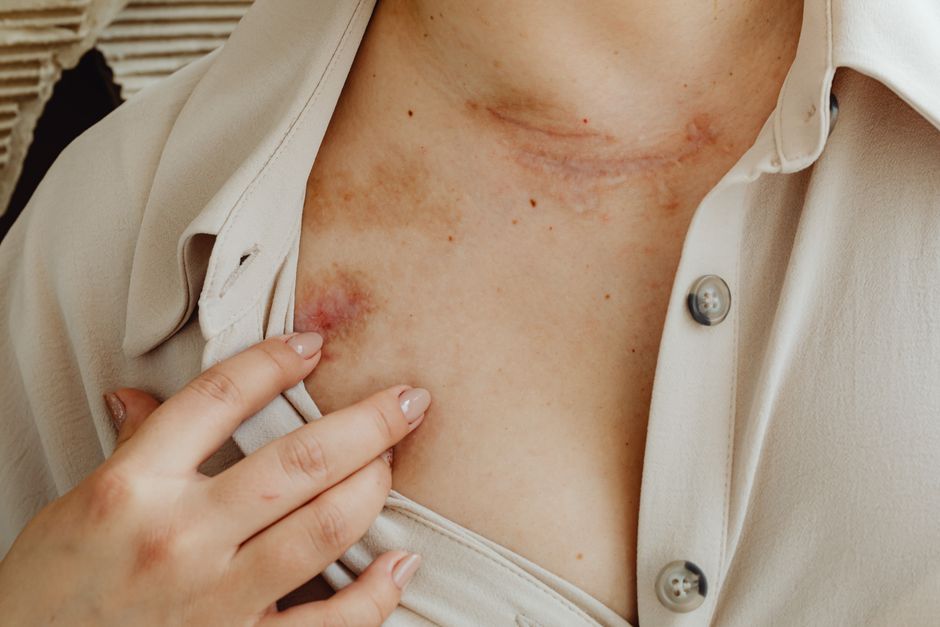
Neosporin is an antibiotic ointment, not a scar treatment. It prevents infection in minor cuts and scrapes, but it does nothing to reduce or fade scars once a wound has healed. In fact, using it too long can actually make scarring worse by keeping the wound overly moist and delaying the natural healing process.
What Is Neosporin and How Does It Work?
Neosporin is a triple antibiotic ointment. It contains three active ingredients: neomycin, polymyxin B, and bacitracin. These three antibiotics work together to kill bacteria on the skin’s surface.
Its purpose is simple: prevent bacterial infection in minor wounds. It is not designed to affect collagen production, skin remodeling, or pigmentation — the three processes that determine how a scar looks.
The confusion makes sense. People apply Neosporin to a fresh wound, the wound heals without infection, and they credit the ointment for the final scar result. But the scar formed because the wound healed normally, not because Neosporin improved the scar itself.
Will Neosporin Help Scars Form Less Noticeably?
Indirectly, yes — but only in one narrow way. If a wound becomes infected, healing is delayed and inflammation increases. Both of those factors can lead to a worse scar. By preventing infection, Neosporin can help a wound heal on schedule, which may result in a less noticeable scar than an infected wound would produce.
That is a real but indirect benefit. It is not the same as actively improving scar appearance.
Here is what Neosporin does not do:
- It does not reduce redness or pigmentation
- It does not flatten raised scars
- It does not soften or smooth scar tissue
- It does not stimulate collagen remodeling
None of the ingredients in Neosporin have any demonstrated effect on scar tissue. The antibiotics kill bacteria. That is their only function.
Can Neosporin Make Scarring Worse?
Yes, in certain situations. The most common mistake is using Neosporin for weeks on a wound that has already closed. Once the skin barrier is intact, the ointment serves no purpose. Keeping the area continuously coated in ointment can macerate the skin — meaning it becomes overly soft, white, and wrinkled from excess moisture.
Macerated skin heals more slowly and can break down again, which extends the inflammatory phase of healing. Longer inflammation is linked to more visible scarring, not less.
There is also the issue of contact dermatitis. Neomycin, one of the three antibiotics in Neosporin, is a common cause of allergic skin reactions. Some research suggests that neomycin allergy affects a meaningful percentage of the population. When an allergic reaction occurs on a healing wound, it causes redness, swelling, and itching — all of which can worsen the final scar.
For this reason, many dermatologists now recommend plain petroleum jelly (Vaseline) instead of antibiotic ointments for clean minor wounds. Petroleum jelly keeps the wound moist, which supports healing, without the risk of allergy or unnecessary antibiotic exposure.





What Actually Reduces Scarring?
Silicone is the treatment with the strongest evidence. Silicone gel sheets and silicone gels have been studied extensively for scar prevention and treatment. Research consistently shows that silicone-based products can improve scar color, thickness, and texture when used consistently over weeks to months.
Silicone works by creating a protective barrier over the scar that maintains hydration. This hydrated environment signals skin cells to behave more like normal skin and less like scar tissue. It is not a quick fix — most protocols require applying silicone daily for at least 8 to 12 weeks.
Other approaches with supporting evidence include:
- Sunscreen — UV exposure darkens scars and makes them more noticeable. Daily sunscreen on healing scars for at least a year is one of the simplest and most effective measures.
- Gentle massage — Once the wound is fully closed, massaging the area can help break up adhesions and soften tissue. This is commonly recommended by dermatologists and physical therapists, though high-quality trials are limited.
- Pressure therapy — Used primarily for larger scars, burns, and surgical scars. Compression garments or bandages can help flatten raised scars over time.
- Onion extract gels — Products containing onion extract (like Mederma) are widely sold. The evidence is mixed. Some small studies show modest improvement in scar appearance, while others show no benefit over petroleum jelly alone.
For older or more severe scars, dermatologists may recommend prescription treatments such as corticosteroid injections for raised scars, laser therapy for redness or texture, or microneedling to stimulate collagen remodeling. These are medical procedures, not over-the-counter products.
What Is the Best Way to Treat a Fresh Wound to Minimize Scarring?
The steps you take in the first few days after an injury matter more than any scar cream. Here is the evidence-based approach:
Clean the wound gently. Rinse with clean water. Mild soap around the edges is fine. Do not scrub.
Keep it moist. A clean, minor wound heals better in a moist environment than when left to dry out and form a thick scab. Petroleum jelly or a plain moisturizing ointment is sufficient. Antibiotic ointment is only needed if the wound is dirty, deep, or at high risk of infection.
Cover it. A bandage or dressing keeps the wound clean and moist. Change it daily or whenever it becomes wet or dirty.
Stop using ointment once the wound closes. When the skin has fully closed over — usually within a few days to a week — switch to silicone gel or sheets if you want to actively reduce scarring.
Protect from the sun. New scars are especially vulnerable to UV damage. Keep the area covered or apply sunscreen from the moment the wound closes.
Do not pick. Pulling off scabs or peeling healing skin disrupts the repair process and can increase scar visibility.
When Should You See a Doctor About a Wound?
Not every wound should be managed at home. Seek medical care if any of the following apply:
- The wound is deep, gaping, or will not stop bleeding
- The wound was caused by an animal bite or a dirty, rusty object
- You have signs of infection: increasing pain, redness spreading beyond the wound edge, warmth, pus, or fever
- You have diabetes or a condition that impairs circulation or immune function
- The wound is on your face, hands, or over a joint — these often require professional closure
A doctor can determine whether stitches are needed, whether a tetanus shot is due, and whether prescription antibiotics are appropriate. Stitches or adhesive strips can significantly improve cosmetic outcomes for larger or deeper wounds.
What About Scar Creams and Home Remedies?
The market is full of scar creams, gels, and oils that claim dramatic results. Most have minimal evidence behind them. Vitamin E oil is a common example. Some research suggests it may actually worsen scar appearance in some people and cause contact dermatitis.
Honey, aloe vera, and coconut oil are popular home remedies. They are generally safe on closed skin, but there is no strong clinical evidence that any of them improve scar outcomes. They may help keep skin moisturized, which is a reasonable goal, but they are not proven scar treatments.
When evaluating any scar product, look for clinical evidence rather than marketing claims. Silicone is the only over-the-counter ingredient with substantial research support. Everything else ranges from unproven to mildly helpful depending on the specific product and study.
How Long Does It Take for a Scar to Fade?
Scar maturation is a slow process. A scar can take 12 to 18 months to reach its final appearance. During this time, it may go through phases of redness, thickness, and firmness before gradually softening and fading.
You will not see the final result of your scar care for at least a year. This is normal. Consistency with silicone, sunscreen, and gentle care during this period is what makes a measurable difference.
If a scar is still painful, itchy, or growing beyond the original wound boundary after several months, see a dermatologist. These can be signs of a hypertrophic scar or keloid, both of which benefit from early professional treatment.
Frequently Asked Questions
Does Neosporin fade existing scars?
No. Neosporin has no effect on existing scar tissue. Its antibiotics only prevent infection in open wounds.
Is it bad to use Neosporin every day?
Once a wound has closed, daily use is unnecessary and can irritate the skin. Switch to plain petroleum jelly or silicone gel after the skin seals.
What is better for scars: Neosporin or Vaseline?
For scar prevention, Vaseline is the better choice. It keeps the wound moist without the risk of allergic reactions or unnecessary antibiotic exposure.
When should I start using silicone gel on a scar?
Start once the wound is fully closed and no longer oozing, usually within a few days to a week after injury. Apply daily for at least 8 to 12 weeks.
